[1부: 한국어 버전]
Animalia > Chordata > Amphibia > Anura
1. Hook: 과연 지구상에서 가장 작은 척추동물?
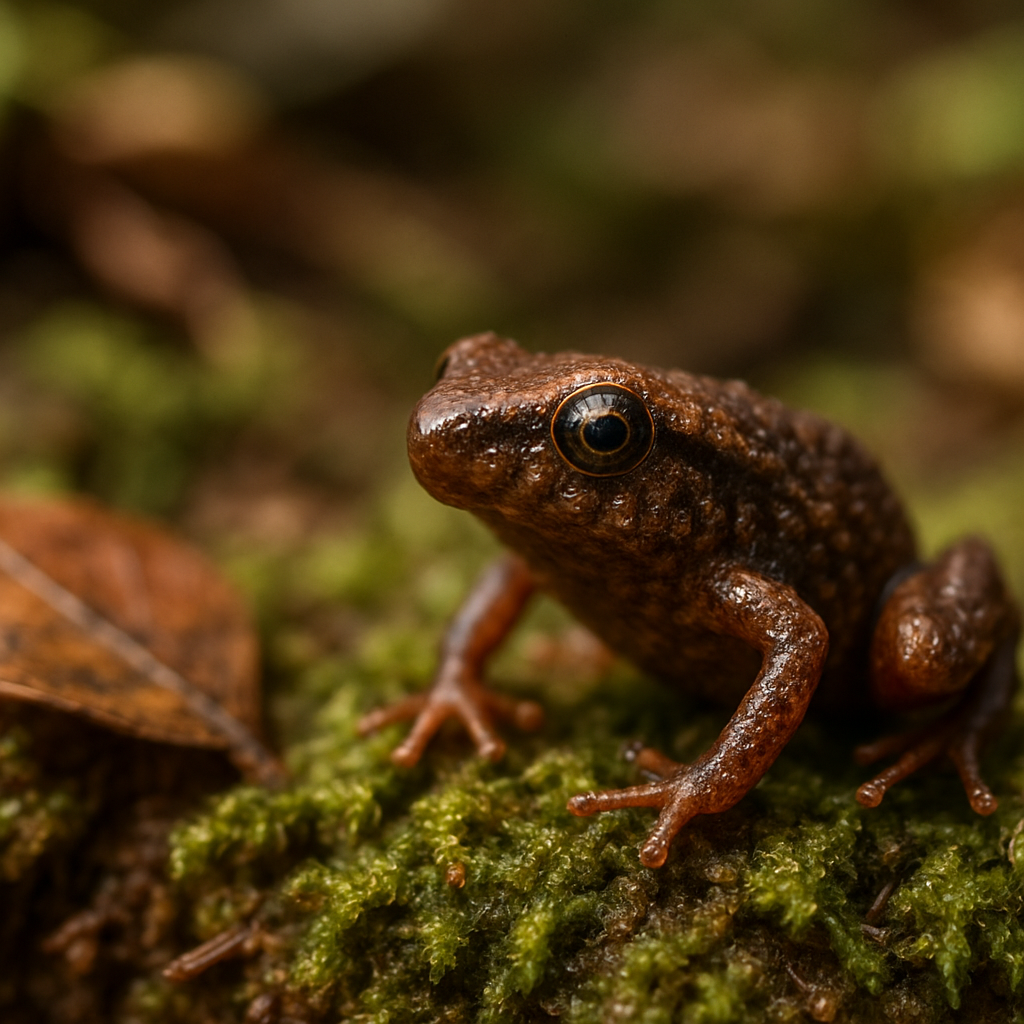
지구상에 존재하는 수많은 생명체 중 ‘가장 작다’는 타이틀을 거머쥐기란 쉬운 일이 아닙니다. 그런데 만약 여러분께 엄지손가락 마디보다도 작은, 거의 눈에 띄지 않는 생물이 지구상에서 가장 작은 척추동물이라고 말씀드린다면 믿으시겠습니까? 그것도 바로 양서류, 개구리라니! 오늘 에디터 택슨구루는 이 놀라운 미니멀리스트, 페도프린 아마우엔시스(Paedophryne amauensis), 일명 ‘아마우 개구리’를 소개해드리려 합니다. 너무 작아서 귀로도 제대로 듣지 못한다는 이 작은 존재가 어떻게 지구의 혹독한 생존 게임에서 살아남았을까요?
2. Scientific Backbone: 페도프린 아마우엔시스, 그 작은 학명의 무게
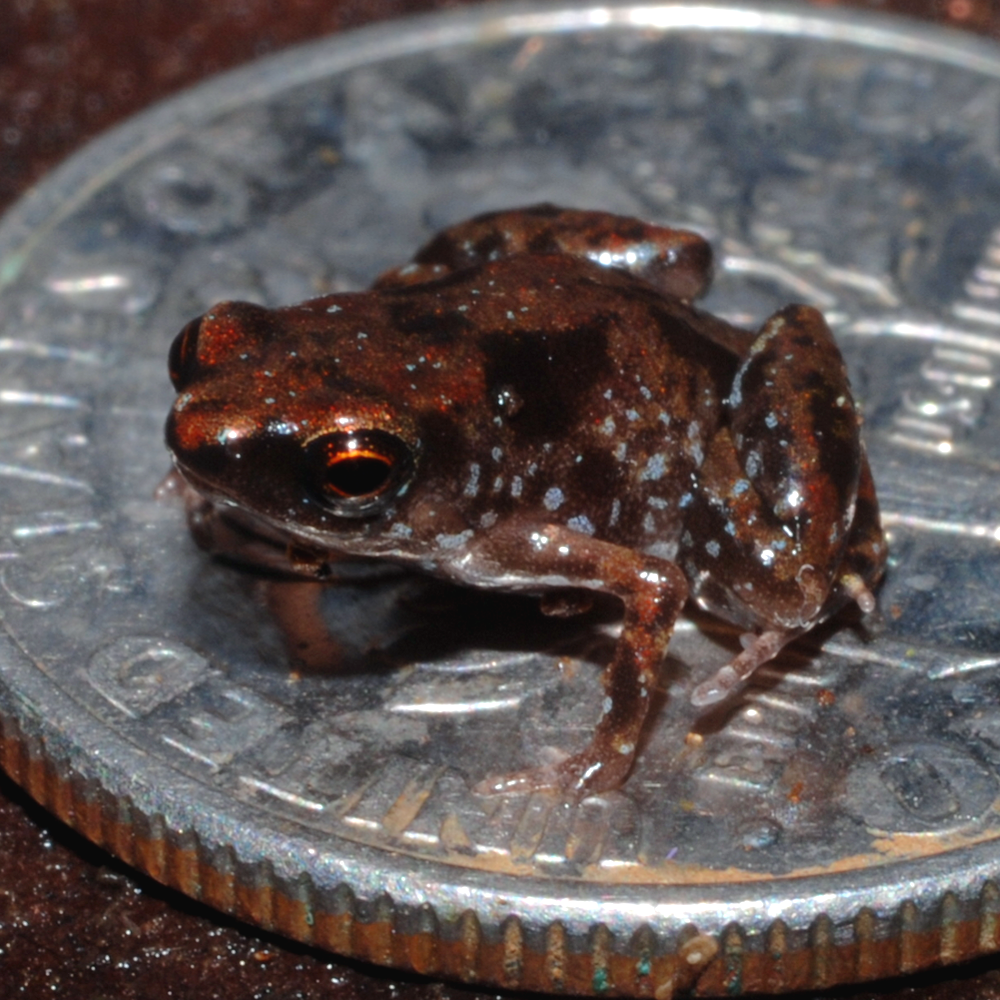
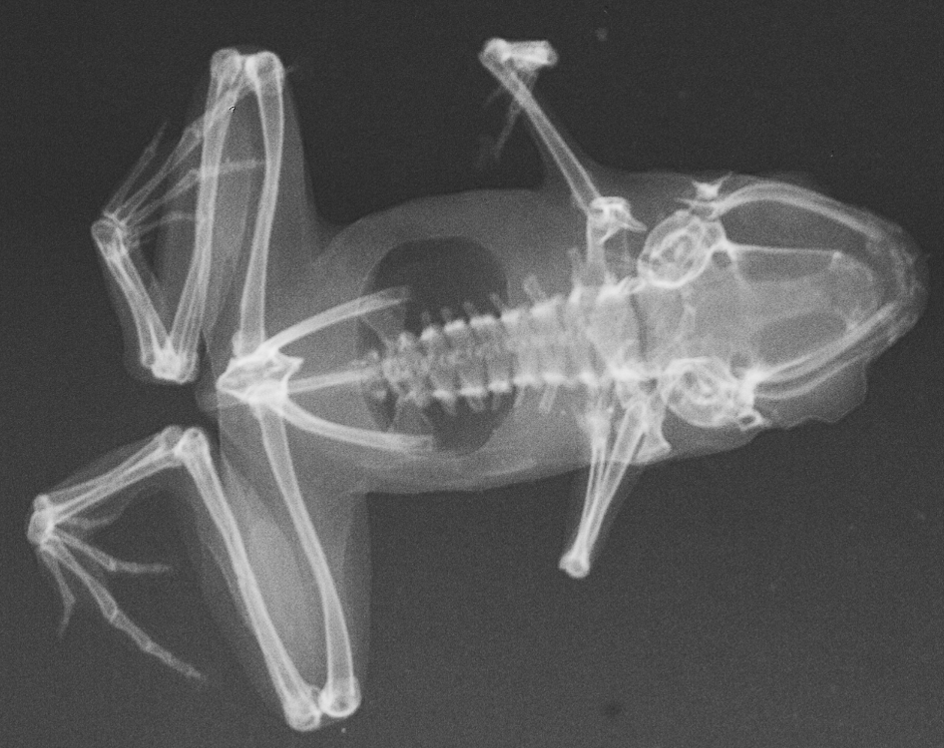
정식 학명 Paedophryne amauensis. 이 길고도 멋진 이름은 파푸아뉴기니의 열대우림, 아마우(Amau) 지역의 이름을 따서 지어졌습니다. 2009년 처음 발견되어 2012년에 공식적으로 ‘세상에서 가장 작은 척추동물’이라는 타이틀을 거머쥐었죠. 분류 트리를 살펴보면, Animalia(동물계) > Chordata(척삭동물문) > Amphibia(양서류) > Anura(개구리목)에 속하는 엄연한 개구리입니다. 평균 몸길이는 겨우 7.7mm! 상상해보세요, 제 새끼손톱보다도 작습니다. 하지만 그 작은 몸뚱이에 어엿한 척추와 신경계, 장기들을 모두 품고 있다는 사실이 그저 경이로울 따름입니다. 에디터 택슨구루는 가끔 이 친구를 ‘생물학적 미니어처 피규어’라고 부르곤 합니다.
3. Deep Anatomy: 눈에 띄지 않는 거인의 생존기
너무 작으면 생존에 불리할 것 같지만, 페도프린 아마우엔시스는 이 ‘작음’을 자신만의 강력한 무기로 승화시켰습니다. 가장 독특한 특징은 바로 ‘귀’입니다. 일반적인 개구리들처럼 고막(tympanum)과 중이(middle ear)가 발달하지 않아 공기를 통해 전달되는 고주파 소리를 제대로 듣지 못합니다. 대신 땅의 진동을 감지하거나, 몸 자체에서 발생하는 초고주파 소리로 의사소통을 하는 것으로 추정됩니다. 마치 초소형 지진계처럼 땅의 떨림을 통해 세상을 느끼는 것이죠. 놀랍지 않나요? 게다가 대부분의 개구리가 물가에서 알을 낳고 올챙이 단계를 거치지만, 이 아마우 개구리는 물과 전혀 상관없이 육상에서 직접적으로 작은 개구리로 부화하는 ‘직접 발생(direct development)’을 합니다. 마치 마법처럼 말이죠! 잎사귀 밑이나 이끼 속에서 숨어 작은 절지동물을 사냥하며 살아갑니다. 이 작은 몸으로도 식탁은 든든히 차리는 미식가이자 사냥꾼인 셈입니다.
4. Evolutionary Context: 작음이 곧 생존 전략이다
이토록 극단적인 소형화는 어떤 진화적 이점을 가져왔을까요? 첫째, 작은 몸은 포식자의 눈에 띄지 않게 숨기 좋습니다. 잎사귀 하나, 이끼 한 조각이 훌륭한 은신처가 되죠. 둘째, 특정 서식지에서 니치(niche)를 독점할 수 있습니다. 예를 들어, 숲 바닥의 낙엽층은 다른 큰 생물들이 접근하기 어려운 미세한 틈새를 제공하며, 이는 작은 곤충들에게도 천국이자 이 개구리에게도 식량 창고가 됩니다. 물론 단점도 있습니다. 작은 몸은 수분 손실에 취약하며, 체온 조절도 어렵습니다. 하지만 파푸아뉴기니의 습하고 안정적인 열대우림 환경은 이러한 단점을 상쇄하고도 남습니다. 작은 몸으로도 생존에 필요한 모든 기능을 완벽하게 수행하도록 최적화된, 진화의 걸작이라고 할 수 있죠.
5. Verdict & Trivia: 엄지손가락 마디, 그 이상을 담은 생명
페도프린 아마우엔시스, 엄지손가락 마디보다도 작은 이 개구리는 ‘크기가 전부는 아니다’라는 진실을 우리에게 몸소 보여줍니다. 오히려 이 작은 몸 덕분에 인류의 눈에 띄지 않고 수많은 세월을 살아왔을지도 모릅니다. 육상 생활과 직접 발생, 그리고 땅의 진동으로 세상을 느끼는 방식까지, 이 개구리의 생존 전략은 ‘작음’이라는 한계를 오히려 ‘강점’으로 바꿔버린 진화의 위대한 승리라 할 수 있습니다. 다음에 숲길을 걸을 때, 발밑의 낙엽 틈새 어딘가에 이 작은 생명체가 조용히 살아가고 있을지도 모른다는 상상을 해보는 건 어떨까요? 에디터 택슨구루는 오늘도 이 작은 존재에게서 큰 경외심을 느낍니다.
[2부: Global Readers English Version]
Animalia > Chordata > Amphibia > Anura
1. Hook: The World’s Smallest Vertebrate? Smaller Than Your Thumbnail?
Among the countless life forms on Earth, claiming the title of “the smallest” is no easy feat. But what if I told you there’s a creature, smaller than your thumbnail, barely noticeable, that holds the record for the smallest vertebrate on our planet? And it’s an amphibian, a frog at that! Today, Editor TaxonGuru is thrilled to introduce you to this astonishing minimalist, Paedophryne amauensis, also known as the ‘Amau Frog’. How does this tiny being, so small it can’t even properly hear with its ears, survive the Earth’s harsh game of life?
2. Scientific Backbone: Paedophryne amauensis, A Tiny Name With Big Significance
Its official scientific name, Paedophryne amauensis, is derived from the Amau region of the Papua New Guinea rainforest where it was first discovered in 2009 and officially crowned the “world’s smallest vertebrate” in 2012. Looking at its classification tree, it’s firmly a frog: Animalia > Chordata > Amphibia > Anura. With an average body length of just 7.7mm, imagine that – it’s smaller than my pinky nail! Yet, it astonishingly houses a complete spine, nervous system, and all its organs within that minuscule frame. Editor TaxonGuru sometimes refers to this creature as a ‘biological miniature figurine’.
3. Deep Anatomy: The Survival Story of an Unseen Giant
While being tiny might seem like a disadvantage for survival, Paedophryne amauensis has transformed this ‘smallness’ into its powerful weapon. Its most unique feature is its ‘ears’. Unlike typical frogs, it lacks a developed tympanum (eardrum) and middle ear, making it unable to properly hear high-frequency sounds transmitted through the air. Instead, it’s believed to communicate by detecting ground vibrations or emitting ultra-high frequency sounds itself. It senses the world through the tremors of the earth, much like a miniature seismograph. Isn’t that astounding? Furthermore, while most frogs lay eggs in water and go through a tadpole stage, the Amau Frog undergoes ‘direct development,’ hatching directly into a tiny frog on land, completely independent of water. It’s almost magical! It lives hidden beneath leaves or in moss, hunting small arthropods. Even with its tiny body, it’s a gourmet and a hunter, filling its table heartily.
4. Evolutionary Context: Smallness as a Survival Strategy
What evolutionary advantages led to such extreme miniaturization? First, a small body makes it excellent at hiding from predators. A single leaf or a speck of moss becomes a perfect refuge. Second, it can monopolize a specific niche. For instance, the leaf litter on the forest floor provides microscopic crevices inaccessible to larger creatures, a paradise for tiny insects and a food source for this frog. Of course, there are downsides. A small body is vulnerable to water loss and struggles with thermoregulation. However, the humid and stable environment of the Papua New Guinea rainforest more than compensates for these disadvantages. It’s a masterpiece of evolution, optimized to perform all necessary functions for survival within its tiny form.
5. Verdict & Trivia: A Life Beyond the Thumb Joint
Paedophryne amauensis, this frog smaller than a thumb joint, literally shows us the truth that ‘size isn’t everything’. In fact, its diminutive size might have allowed it to live for countless ages unnoticed by humans. From its terrestrial lifestyle and direct development to its method of sensing the world through ground vibrations, this frog’s survival strategy is a magnificent triumph of evolution, transforming the limitation of ‘smallness’ into a ‘strength’. Next time you walk through a forest, why not imagine that somewhere in the leaf litter beneath your feet, this tiny creature might be quietly living its life? Editor TaxonGuru continues to feel immense awe for this small being.