Size Lab
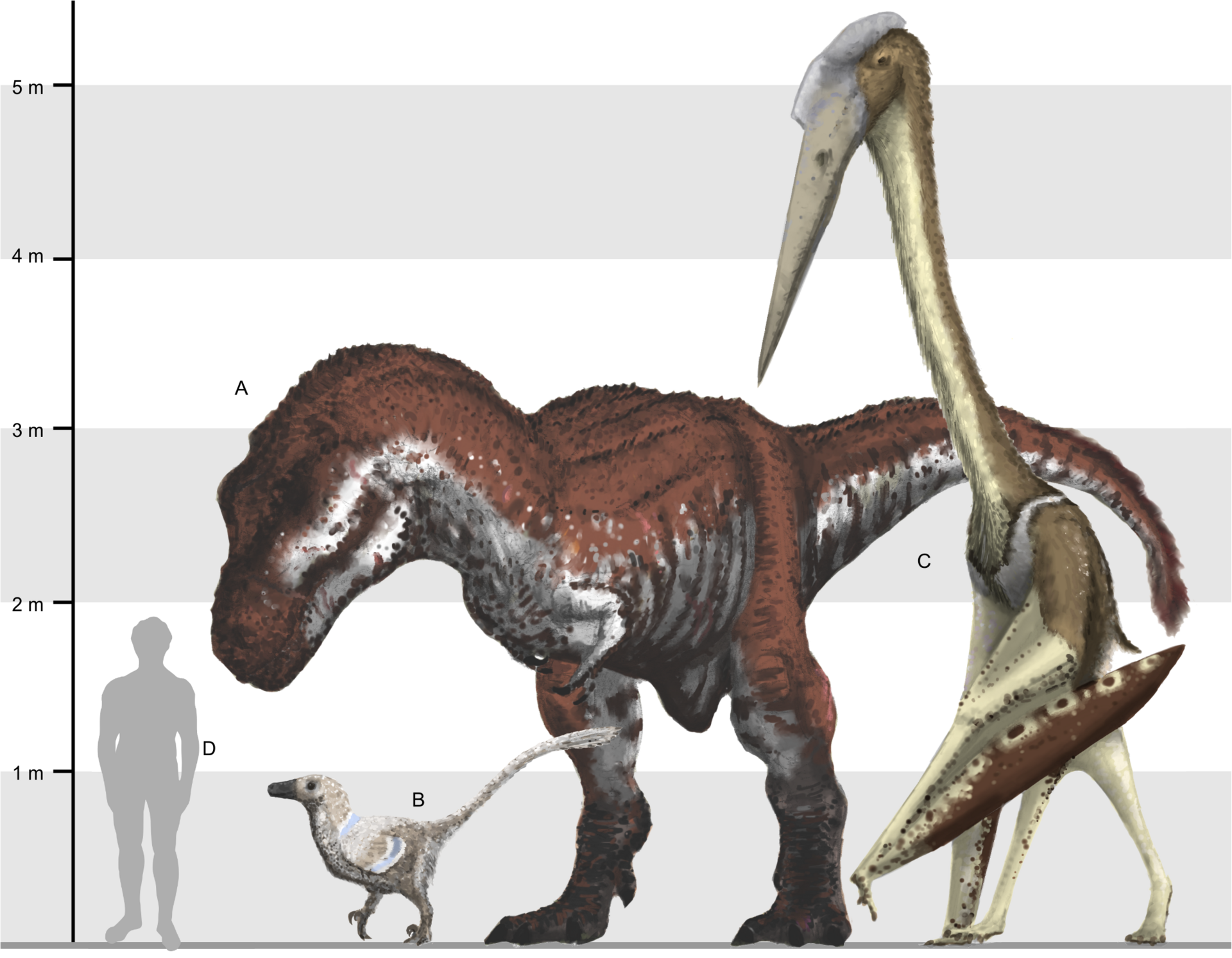
Discover Quetzalcoatlus northropi, a giraffe-sized pterosaur that dominated late Cretaceous skies. Learn how this massive terrestrial hunter used quadrupedal launch mechanics and air-filled bones to achieve powered flight.
Discover Quetzalcoatlus northropi, a giraffe-sized pterosaur that dominated late Cretaceous skies. Learn how this massive terrestrial hunter used quadrupedal launch mechanics and air-filled bones to achieve powered flight.
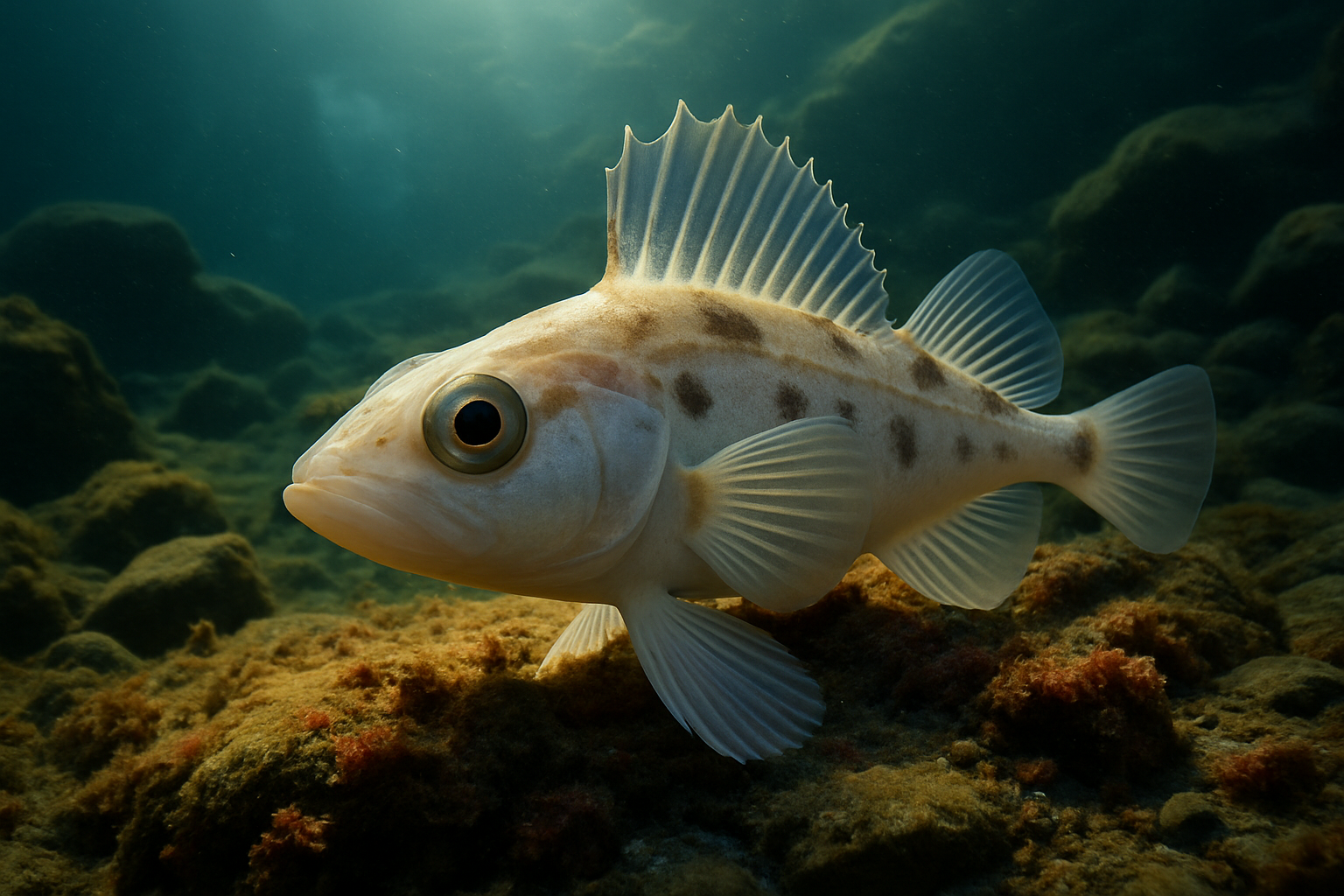
Discover how the Ocellated icefish survives in frozen Antarctic waters without red blood cells or hemoglobin through an oversized heart, natural antifreeze proteins, and unique evolutionary adaptations.
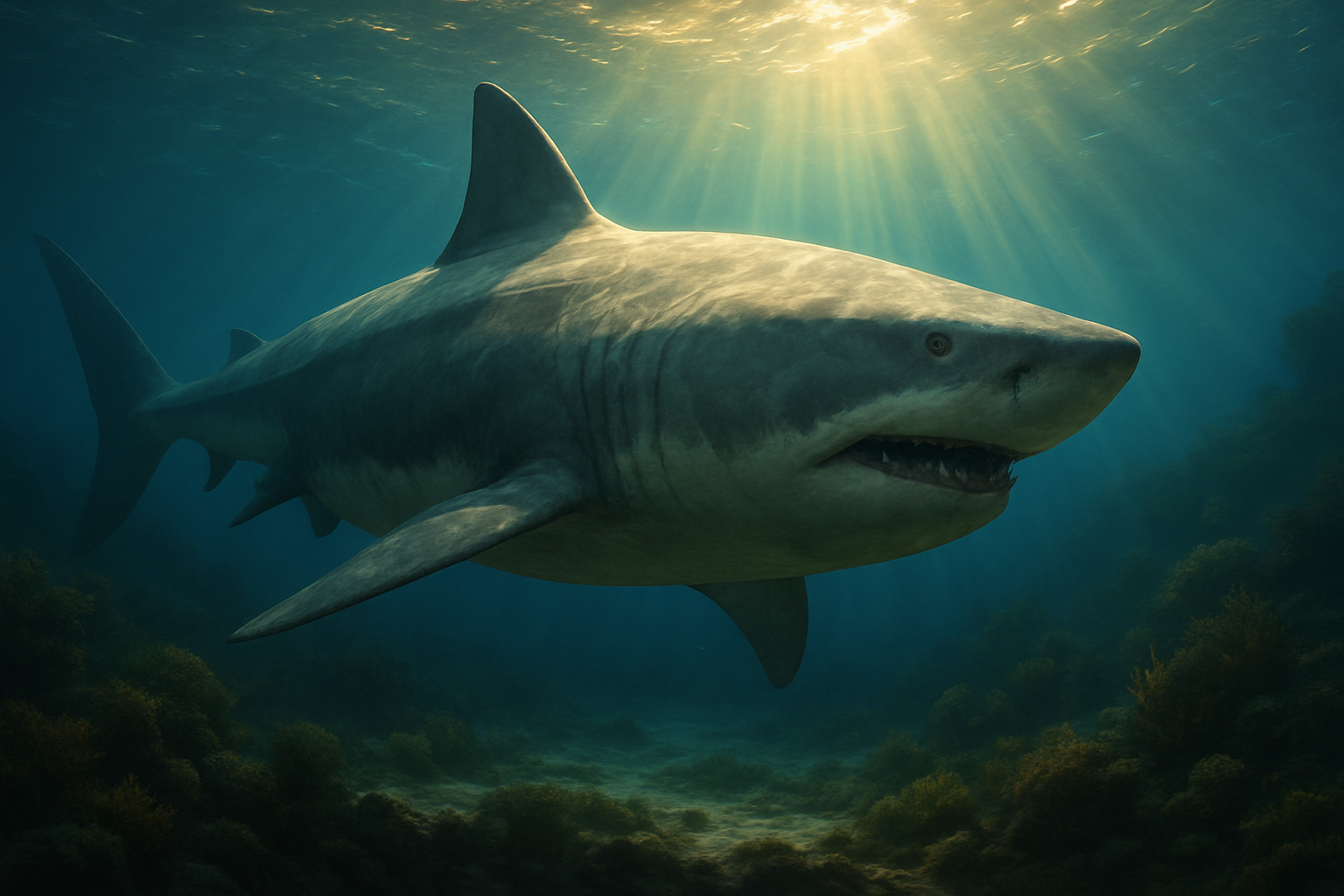
Discover the scientific reality of Otodus megalodon, exploring fossil evidence behind its massive size, crushing bite force, regional endothermy, body shape debate, and true evolutionary history.
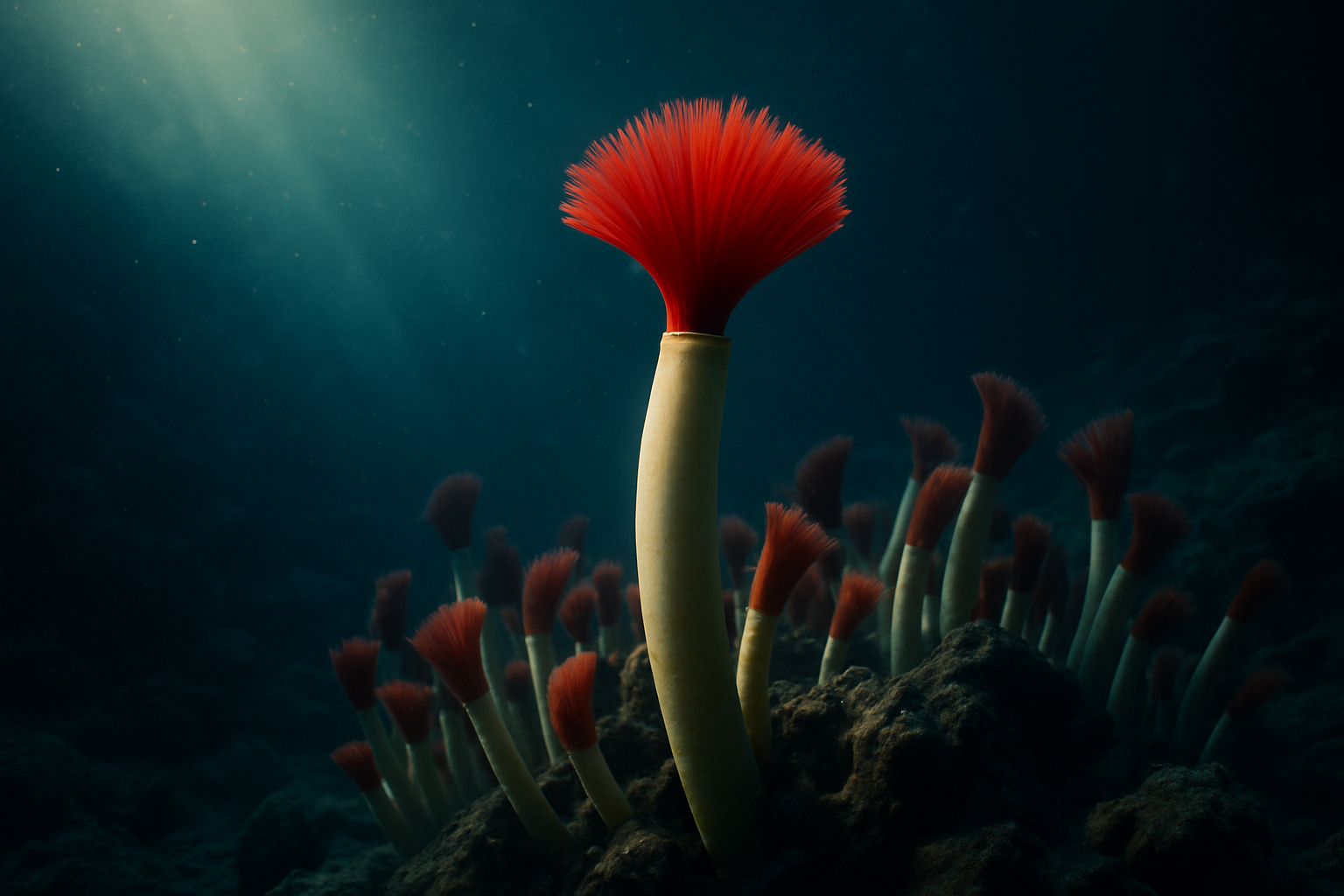
Discover how the giant tubeworm Riftia pachyptila thrives in deep-sea hydrothermal vents without a mouth or stomach, using symbiotic bacteria and specialized blood to turn toxic chemicals into life.
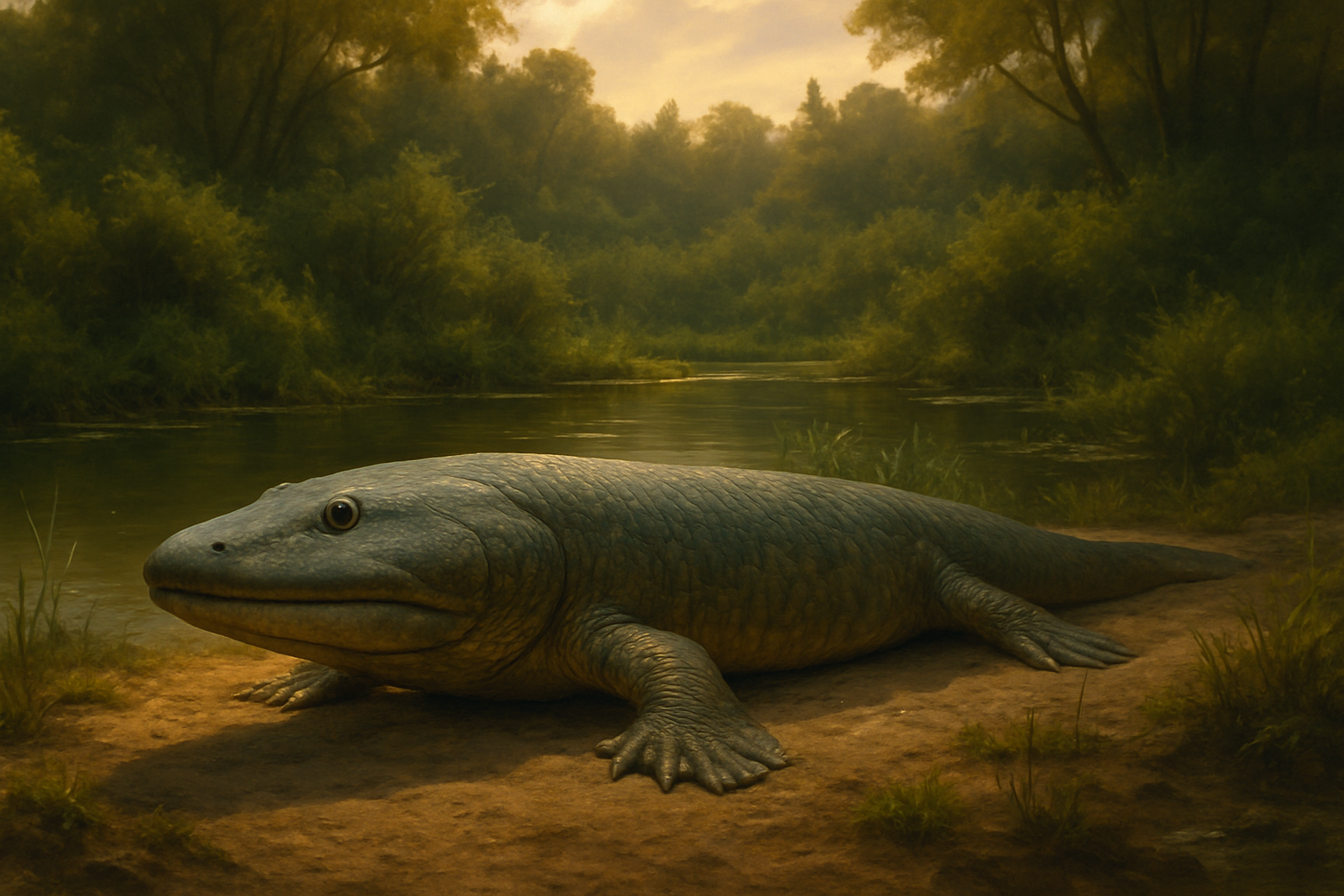
Discovered in Arctic Canada, Tiktaalik roseae bridges the gap between fish and tetrapods. Explore how its unique anatomical adaptations allowed it to thrive in Devonian shallow wetlands.
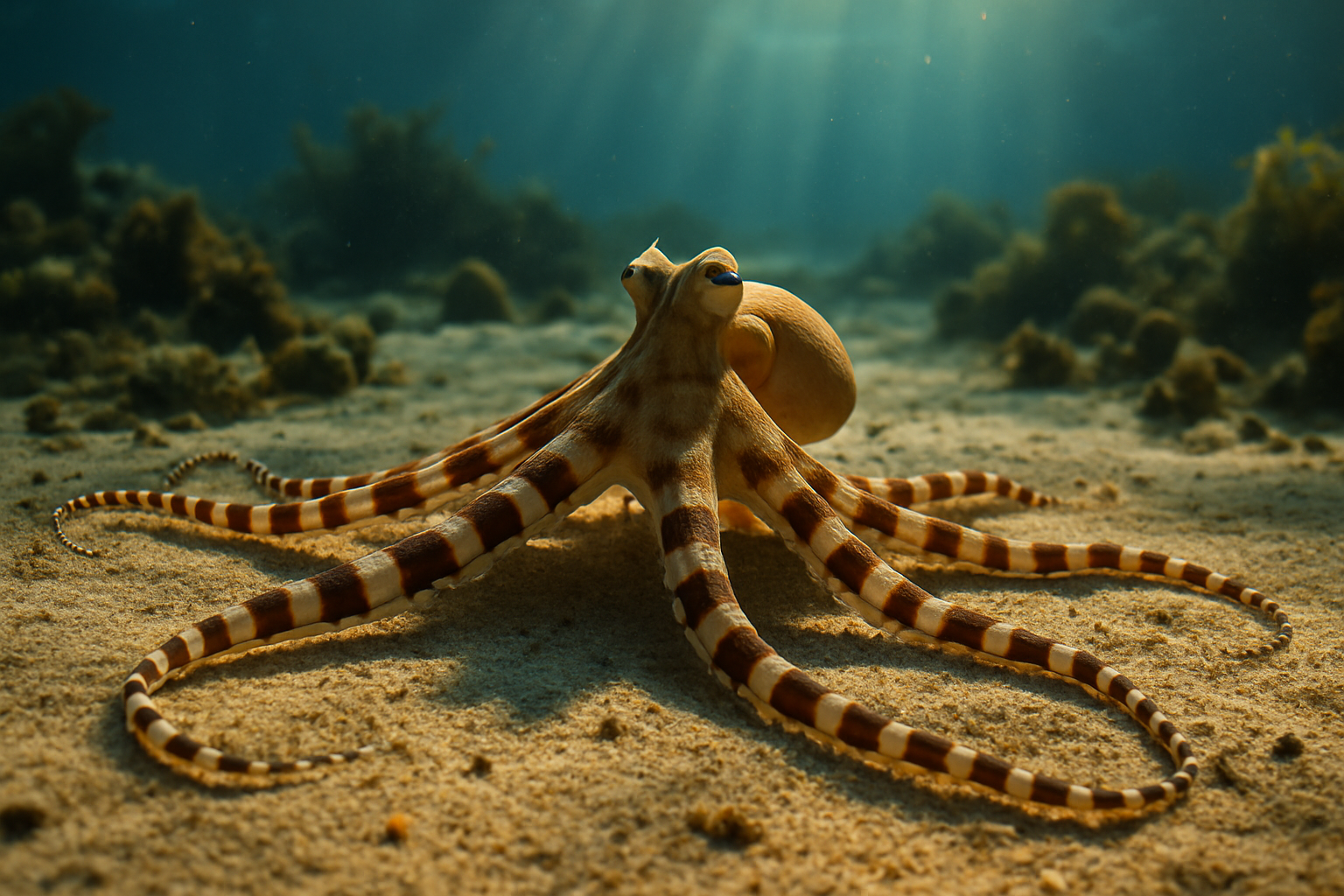
While popular myths claim the mimic octopus imitates fifteen different creatures, scientific evidence verifies three main disguises: flatfish, lionfish, and banded sea snakes used during exposed daytime hunting.
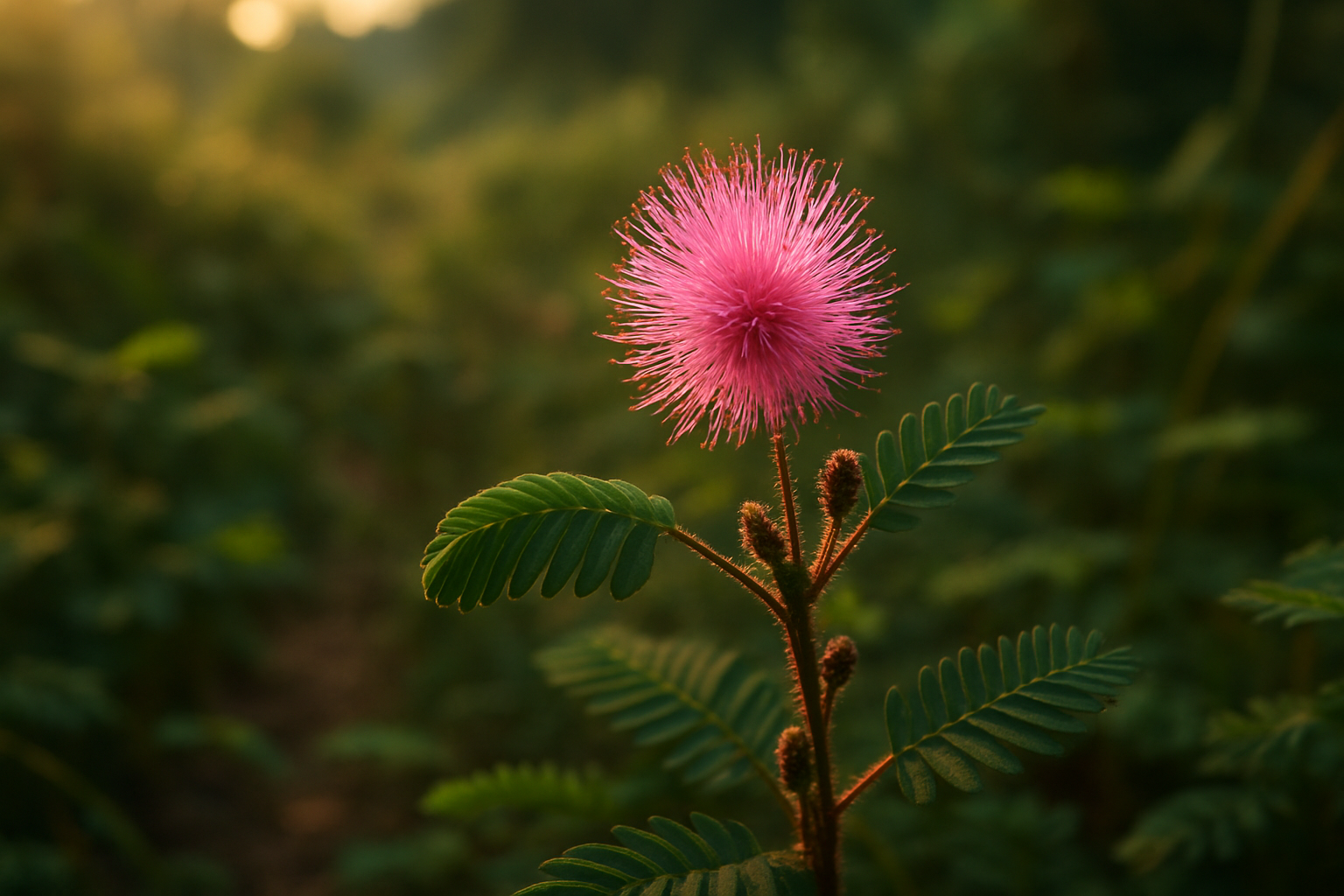
Discover how Mimosa pudica uses electrical signals and hydraulic turgor pressure to fold its leaves instantly, revealing a clever survival mechanism powered by evolutionary engineering.
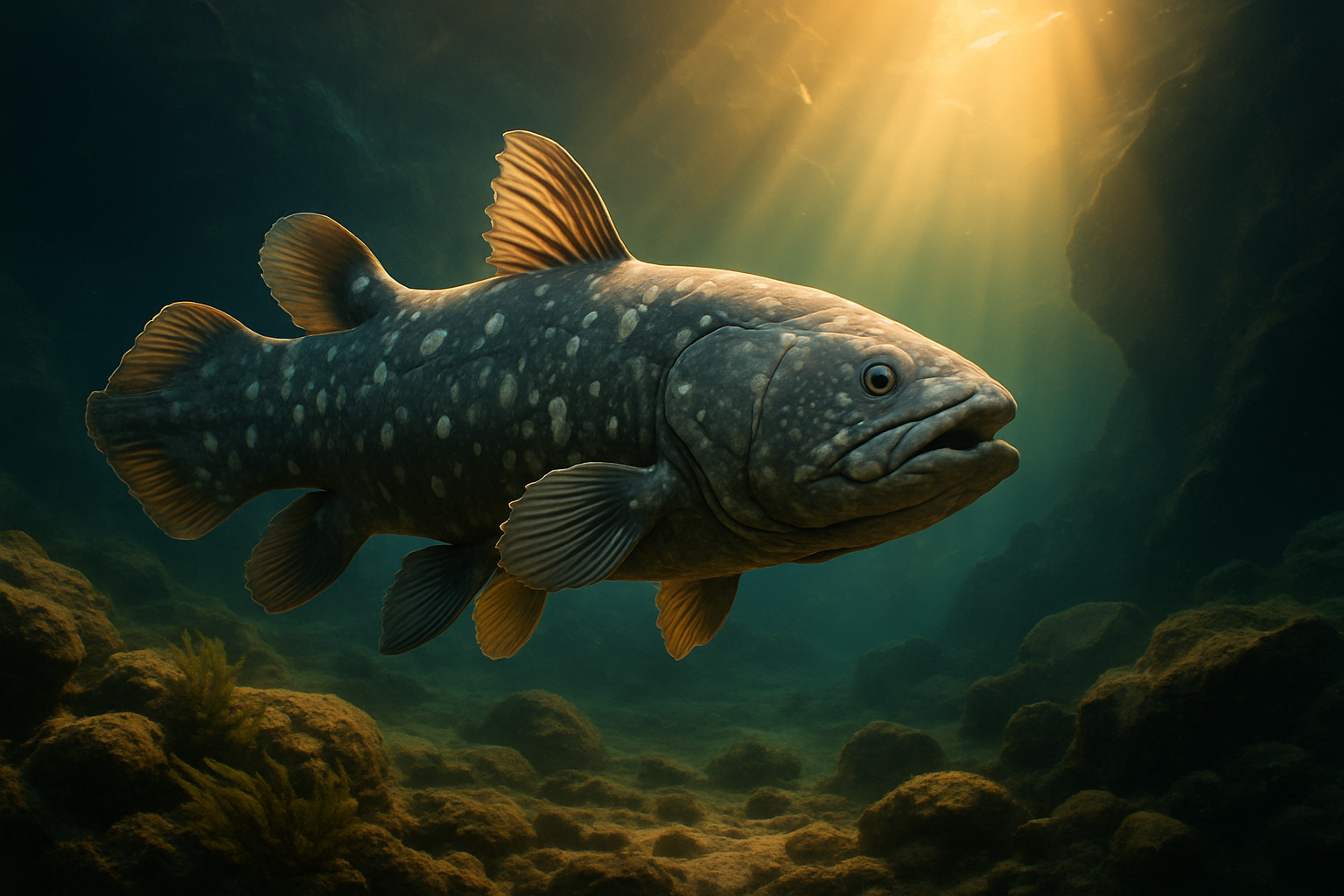
Thought to be extinct for 66 million years, the West Indian Ocean coelacanth reveals unique skull mechanics, limb-like fin locomotion, and a century-long lifespan in deep ocean waters.
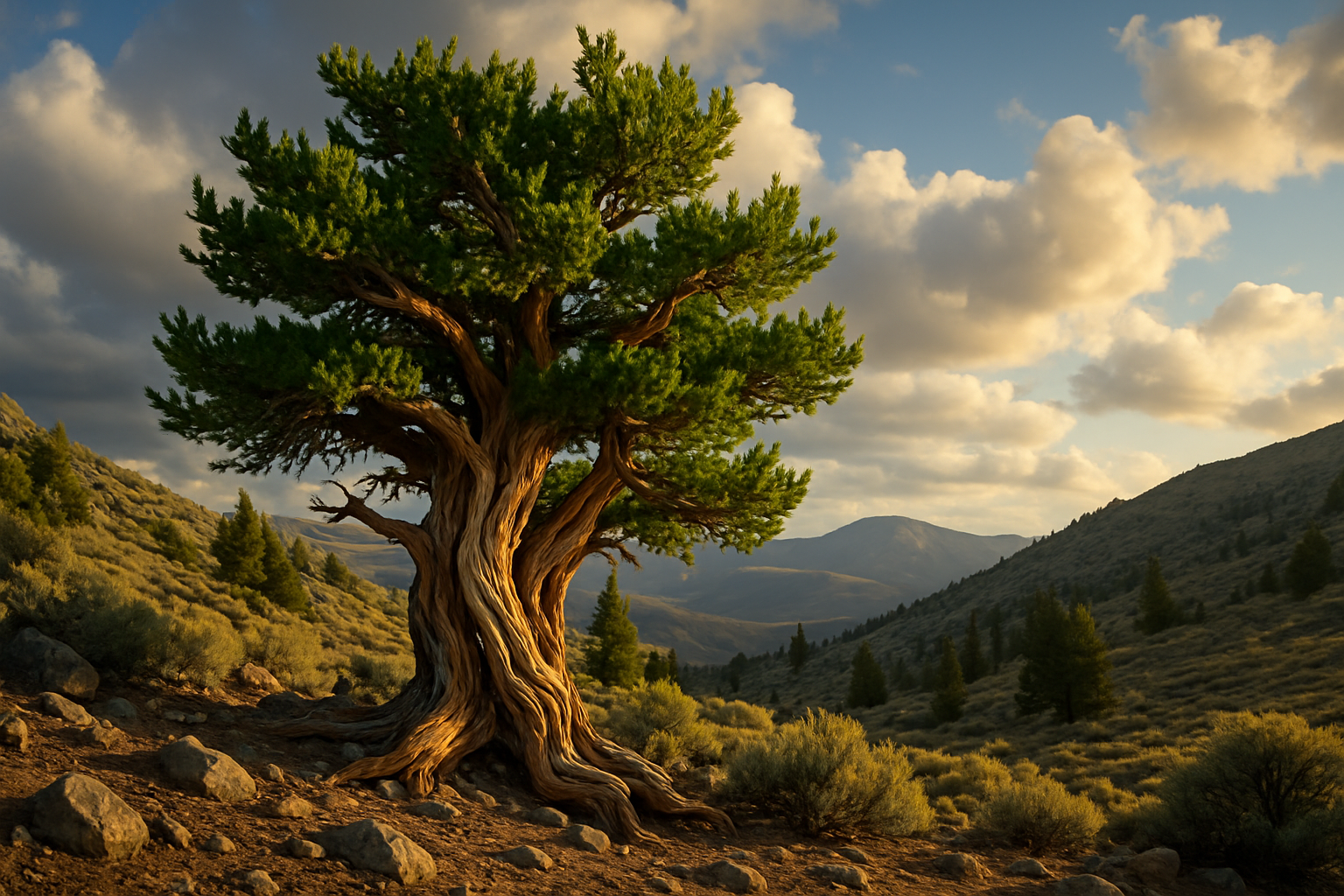
Discover how the Great Basin bristlecone pine survives extreme alpine conditions for over 4,800 years through dense resinous wood, long leaf retention, and strip-barking energy conservation.
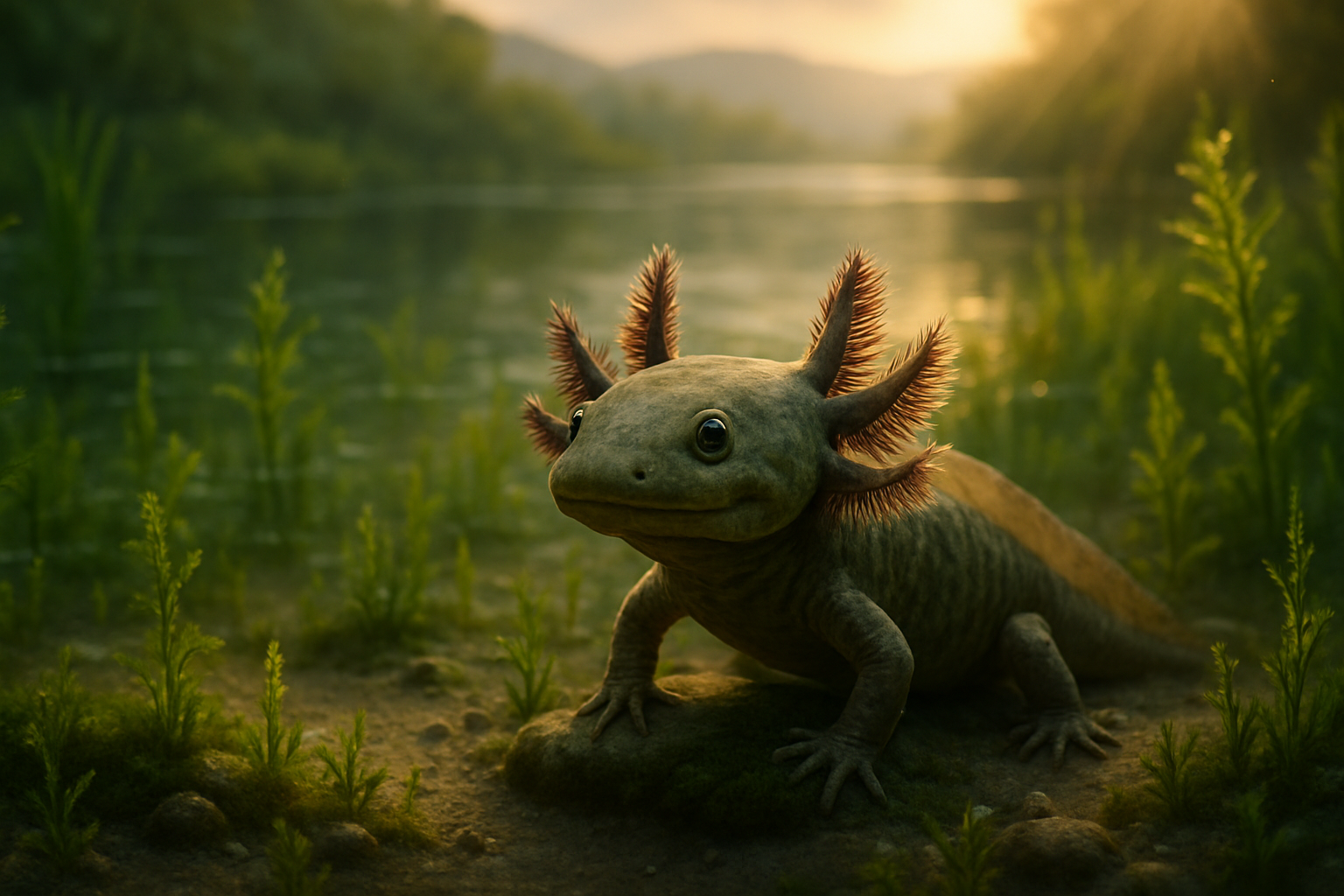
Discover the factual science behind the axolotl. Learn about its neotenic life cycle, extraordinary organ regeneration, suction feeding mechanism, and the critical conservation status of wild populations in Lake Xochimilco.