폼페이 벌레: 지옥의 사우나를 즐기는 벌레!
분류 트리
Animalia > Annelida > Polychaeta > Terebellida > Alvinellidae
1. 훅 (Hook): 옆집은 80도, 아랫집은 20도? 벌레계의 열혈 서퍼 등장!
안녕하세요, 뜨거운 심장을 가진 독자 여러분! 에디터 택슨구루입니다. 여러분은 혹시 사우나에서 ‘극상’이라고 부르는 온도가 몇 도인지 아시나요? 보통 80도에서 100도 사이죠. 우리 인간에게도 쉬운 온도가 아닌데, 어떤 생명체는 그 80도 옆에서 ‘룸메이트’처럼 살아갑니다. 그것도 모자라 한쪽 몸은 끓는 물에, 다른 쪽 몸은 시원한 물에 담그고 말이죠! 오늘 소개할 친구는 이름부터 핫한 ‘폼페이 벌레’ (Alvinella pompejana)입니다. 이 벌레는 마치 고대 로마 폼페이처럼 화산의 열기 속에서 자신만의 극락을 찾은 듯하네요! 그들의 서식지는 사실상 지옥의 사우나와 다름없습니다.

2. 과학적 뼈대 (Scientific Backbone): 지렁이의 먼 친척, 하지만 라이프스타일은 차원이 다른!
폼페이 벌레는 학명 Alvinella pompejana로 불리며, 분류학적으로는 ‘고리 동물(Annelida)’ 그룹에 속합니다. 맞아요, 지렁이나 거머리의 먼 친척이라고 할 수 있죠. 하지만 외모나 라이프스타일은 완전히 다릅니다. 이들은 해저 열수 분출구, 특히 동태평양 해령 근처의 심해에 서식하며, 지구상에서 가장 뜨거운 환경을 견디는 동물 중 하나로 꼽힙니다. ‘Polychaeta’ 목, 즉 다모강에 속하는 이 벌레들은 이름처럼 몸에 많은 털 같은 구조를 가지고 있습니다. 하지만 이 ‘털’이 단순한 장식이 아니라는 사실! 여기에 생존의 비밀이 숨어있답니다.
3. 상세 해부 (Deep Anatomy): 등에 털이 난 사우나 마스터, 온도차를 즐기다!
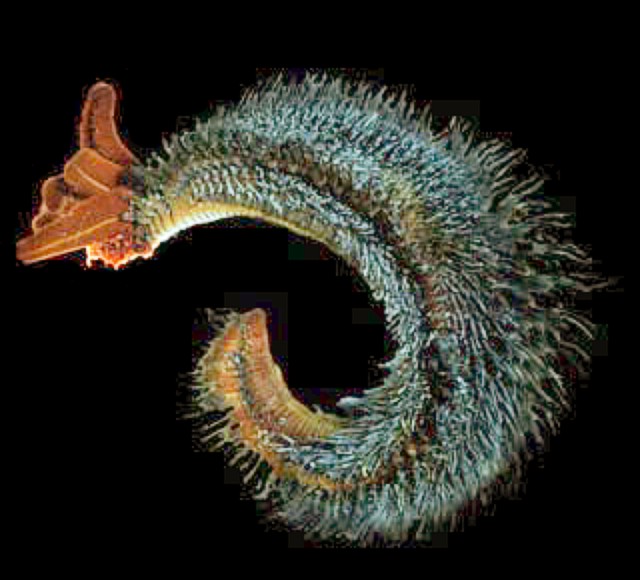
폼페이 벌레의 등에는 마치 털이나 머리카락처럼 보이는 구조물이 가득합니다. 이것은 벌레 자체의 털이 아니라, 벌레와 공생하는 박테리아의 거대한 군집입니다! 이 박테리아들은 열수 분출구에서 뿜어져 나오는 유독한 황 화합물을 해독하고, 이를 영양분으로 전환하여 벌레에게 제공하는 ‘열 지옥 생존 키트’ 역할을 합니다. 벌레는 이 박테리아 덕분에 유독한 환경에서도 굶어 죽지 않고 살아남을 수 있죠. 그런데 정말 놀라운 건 따로 있습니다. 이 벌레의 몸은 한쪽 끝은 약 80°C에 달하는 열수 분출구에 노출되어 있고, 다른 쪽 끝은 불과 20°C 정도의 상대적으로 차가운 심해수에 잠겨 있다는 점입니다. 말 그대로 ‘좌우 비대칭’ 극과 극의 삶을 한 몸으로 견디고 있는 것이죠! 옆집이 불한증막인데, 아랫집은 냉탕인 셈입니다. 이 극심한 온도 기울기를 견딜 수 있는 벌레의 능력은 아직도 많은 연구자들의 미스터리로 남아 있습니다.

4. 진화적 맥락 (Evolutionary Context): 극한을 넘어선 생명의 증거
폼페이 벌레와 같은 해저 열수 분출구 생태계는 지구 생명체의 초기 진화 과정을 엿볼 수 있는 중요한 단서를 제공합니다. 태초의 지구가 지금보다 훨씬 뜨겁고 격렬했을 때, 생명은 이런 극한 환경에서 시작되었을 가능성이 높기 때문입니다. 폼페이 벌레는 단순히 열을 잘 견디는 동물을 넘어, 유황 같은 독성 물질을 에너지원으로 삼는 화학 합성 생태계의 핵심 구성원입니다. 햇빛조차 닿지 않는 심해에서, 이 벌레는 생명의 강인함과 적응력, 그리고 극한 환경에서의 협력적 진화를 증명하는 살아있는 증거인 셈이죠. 그들은 우리가 생각하는 생명의 한계를 끊임없이 확장시키고 있습니다.
5. 결론 및 잡담 (Verdict & Trivia): 당신은 아직 멀었습니다!
자, 이제 폼페이 벌레에 대해 조금은 이해가 되셨나요? 80도 온천을 즐기는 벌레라는 별명은 단순히 수사적인 표현이 아니었습니다. 이들은 정말로 ‘지옥의 사우나’에서 삶의 예술을 펼치고 있는 생명체입니다. 다음에 사우나나 찜질방에서 땀을 뺄 때, 80도에서 노는 폼페이 벌레를 떠올려 보세요. 여러분은 아직 멀었습니다! 하하! 이 작지만 강인한 생명체는 우리에게 익숙한 육상의 생태계와는 전혀 다른, 신비롭고 경이로운 심해 세계의 모습을 보여줍니다. 에디터 택슨구루였습니다. 다음에 또 다른 신비한 생명체 이야기로 찾아올게요!
택슨구루의 TMI
- 폼페이 벌레는 1980년 동태평양 해령에서 처음 발견되었습니다.
- 이 벌레의 이름은 고대 도시 폼페이가 화산 폭발로 파묻혔던 것과 유사하게, 뜨거운 열수 분출구 근처에 서식하는 특징에서 따왔습니다.
- 폼페이 벌레의 등털처럼 보이는 박테리아 군집은 그들의 ‘가방’이라고도 불리며, 여러 종류의 박테리아가 서식하는 미생물 생태계를 이룹니다.
The Pompeii Worm: The Artist of Hell’s Sauna!
Classification Tree
Animalia > Annelida > Polychaeta > Terebellida > Alvinellidae
1. Hook: 80°C Next Door, 20°C Downstairs? Meet the Fiery Surfer of the Worm World!
Hello, readers with a burning passion for life! This is Editor TaxonGuru. Do you know what temperature we humans consider “extreme” in a sauna? Usually between 80°C and 100°C, right? That’s tough for us, but some creatures live like ‘roommates’ right next to that 80°C. Not only that, they dip one half of their body in boiling water and the other half in cool water! Today, I’m introducing a hot-named friend: the Pompeii Worm (Alvinella pompejana). Just like ancient Roman Pompeii, this worm seems to have found its own paradise amidst volcanic heat! Their habitat is essentially a hellish sauna.
2. Scientific Backbone: Earthworm’s Distant Cousin, but a Lifestyle in a Different League!
The Pompeii worm, scientifically known as Alvinella pompejana, belongs to the ‘Annelida’ group. Yes, you could call them a distant relative of earthworms or leeches. However, their appearance and lifestyle are entirely different. They inhabit deep-sea hydrothermal vents, particularly near the East Pacific Rise, and are considered one of the most heat-tolerant animals on Earth. Belonging to the ‘Polychaeta’ class, these worms have many hair-like structures on their bodies, as their name suggests. But these ‘hairs’ are not just decorations! The secret to their survival lies within them.
3. Deep Anatomy: The Furry Sauna Master Enjoying Temperature Gradients!
The Pompeii worm’s back is covered with structures resembling fur or dreadlocks. These are not the worm’s own hairs, but rather vast colonies of symbiotic bacteria! These bacteria act as a ‘hot hell survival kit,’ detoxifying the harmful sulfur compounds emitted from the hydrothermal vents and converting them into nutrients for the worm. Thanks to these bacteria, the worm can survive and thrive in toxic environments without starving. But the truly astonishing part is this: one end of the worm’s body is exposed to vent water reaching about 80°C, while the other end is submerged in relatively cooler deep-sea water, sometimes as low as 20°C. It’s literally a ‘left-right asymmetric’ life of extremes endured by a single body! It’s like having a scorching hot steam room next to a cold plunge pool. The worm’s ability to withstand this extreme temperature gradient remains a mystery to many researchers.
4. Evolutionary Context: Proof of Life Beyond Extremes
Deep-sea hydrothermal vent ecosystems, like those inhabited by the Pompeii worm, provide crucial clues into the early evolutionary processes of life on Earth. It’s highly probable that life began in such extreme environments when the nascent Earth was much hotter and more volatile. The Pompeii worm is more than just a heat-tolerant animal; it’s a key component of chemosynthetic ecosystems that rely on toxic substances like sulfur for energy. In the abyss where sunlight cannot penetrate, this worm stands as a living testament to life’s resilience, adaptability, and cooperative evolution in extreme conditions. They continuously expand the boundaries of what we perceive as life’s limits.
5. Verdict & Trivia: You Haven’t Reached the Heat Level Yet!
So, do you now have a better understanding of the Pompeii worm? The nickname “the worm that enjoys 80-degree hot springs” was not just a metaphor. These creatures truly live an art of survival in “hell’s sauna.” Next time you’re sweating it out in a sauna or steam room, remember the Pompeii worm playing around in 80°C. You’ve still got a long way to go to be truly ‘hot’! Haha! This small but mighty creature shows us a mysterious and wondrous deep-sea world, entirely different from the terrestrial ecosystems we’re familiar with. This was Editor TaxonGuru. I’ll be back with another story about mysterious life forms soon!
TaxonGuru’s TMI
- The Pompeii worm was first discovered in 1980 on the East Pacific Rise.
- Its name is derived from its habit of residing near hot hydrothermal vents, akin to the ancient city of Pompeii being buried by volcanic eruption.
- The bacterial colonies that look like fur on the Pompeii worm’s back are also called their ‘backpacks,’ forming a microbial ecosystem inhabited by various types of bacteria.