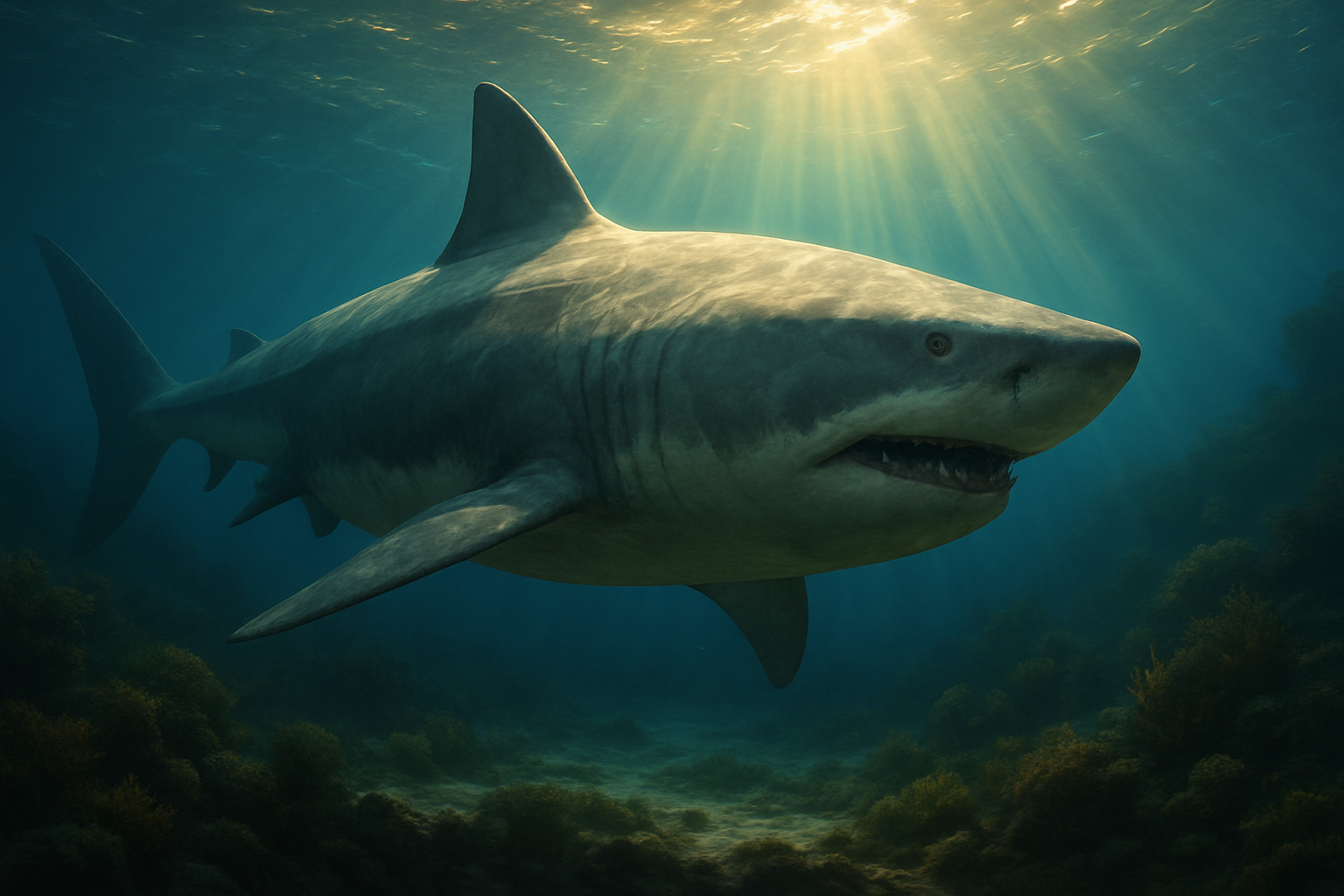
Could a predator long enough to rival a modern city bus and armed with jaws capable of crushing a whale still be swimming in unexplored ocean depths? It is a captivating concept that frequently stirs public imagination: deep inside pitch-black trenches, an ancient marine titan lingers just beyond human reach. However, verified paleontological evidence reveals a very different and far more grounded picture [1][2]. Meet Otodus megalodon, the extinct giant shark that reigned as the supreme apex predator of ocean ecosystems during the Miocene and early Pliocene epochs, roughly 23 million to 3.6 million years ago [1][2].
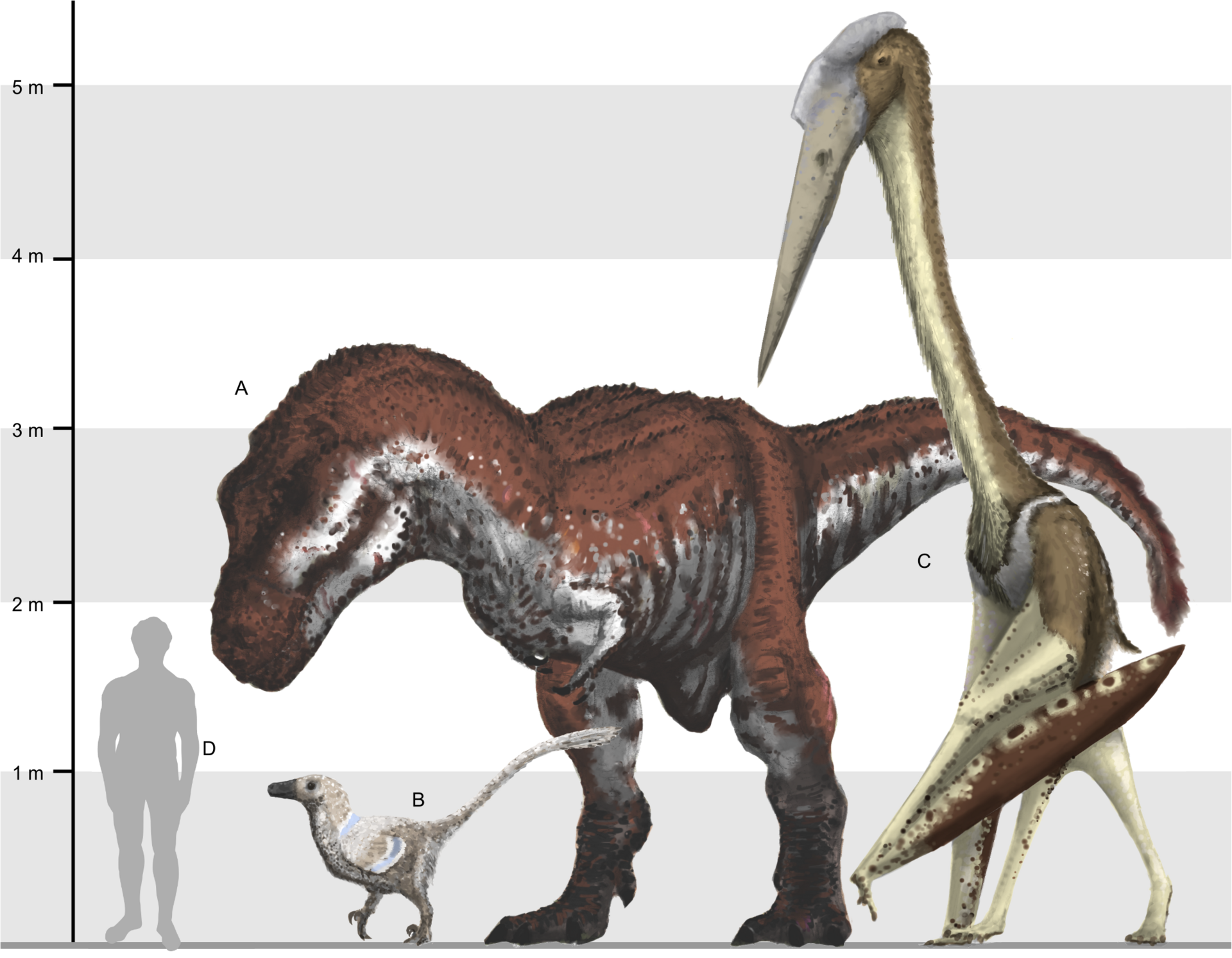
To separate cinematic fiction from physical reality, paleontologists examine the durable remains left behind—primarily mineralized teeth and isolated vertebrae [1][2]. When researchers translate these fossilized fragments into direct scale comparisons, the immense proportions of Otodus megalodon become strikingly clear [2][6].
The Size Lab: How Big Was Otodus megalodon?
Sharks belong to the class Chondrichthyes, meaning they are cartilaginous fish whose skeletons are composed of flexible cartilage rather than rigid bone [7]. Because cartilage degrades quickly after death, complete fossilized skeletons are extremely rare in the fossil record [7]. To determine the physical dimensions of Otodus megalodon, scientists analyze tooth measurements alongside rare fossilized vertebral columns [2][6]. These verified calculations show that an adult reached an estimated total body length between 15 and 20 meters [2][6].
To picture a 20-meter predator in everyday terms, imagine a standard articulated city bus cruising through the water, or three typical family sedans parked bumper to bumper. The body mass was equally massive, estimated between 40 and 90 metric tons or more [2][6]. That weight equals roughly 10 to 15 fully grown African bush elephants combined. Even juvenile sharks were substantial, growing in warm, shallow coastal nursery areas where shallow waters offered shelter from larger open-ocean adults [1][2].
The shark’s jaw contained approximately 276 teeth arranged in multiple functional rows [2][5]. Individual teeth grew to maximum slant heights of about 18 centimeters [2][5]. Held in an adult human hand, a single tooth stretches from the base of the wrist past the tips of the fingers [2][5]. These teeth were equipped with thick serrated cutting edges and heavy enamel layers engineered to withstand severe impact forces [2][5].
The Ultimate Bite Force: Biomechanical Power in Ancient Seas
Subduing large marine prey like ancient whales required extraordinary physical force [1][2]. To measure the mechanical power of these prehistoric jaws, scientists turn to biomechanical modeling—a computer-based structural analysis that evaluates muscular force and bone stress [3][4].
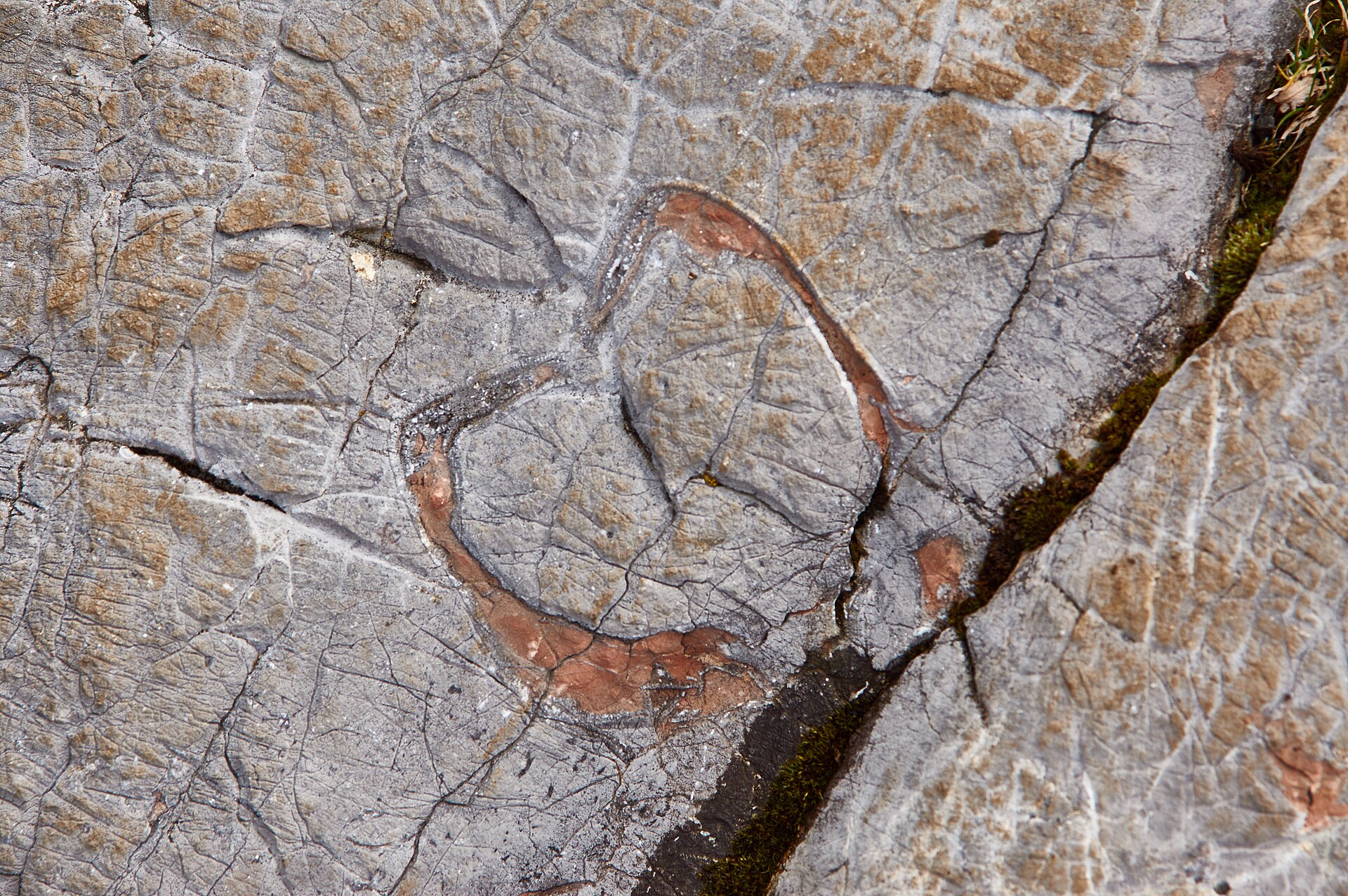
These biomechanical models reveal that Otodus megalodon possessed an estimated bite force ranging from 108,514 to 182,201 Newtons, which converts to approximately 11 to 18 metric tons of force [3][4]. For scale, this bite force is nearly three times greater than that of Tyrannosaurus rex and roughly 10 times more powerful than the bite of a modern Great White Shark [3][4]. Instead of merely tearing soft tissue, such extreme jaw mechanics allowed the predator to crush through the heavy ribs, dense flippers, and structural bones of large marine mammals [1][2].
Warm Blood in Warm Waters: The Engine Behind a Giant
Operating such a massive body required immense metabolic energy, raising an intriguing physiological question: how did this apex hunter maintain its energetic output? Most fish are cold-blooded ectotherms, meaning their internal body temperature depends entirely on the surrounding water. However, chemical testing on fossil enamel—a process called isotope paleothermometry, which measures stable atomic isotopes preserved in ancient teeth—reveals that Otodus megalodon was regionally endothermic [1][2].
Regional endothermy is the biological ability of an organism to generate internal body heat and keep key tissues warmer than the surrounding environment [1][2]. Isotope paleothermometry proves that Otodus megalodon maintained an internal body temperature approximately 7°C warmer than the surrounding seawater [1][2]. This elevated body temperature provided major athletic advantages: it increased cruising speed, improved muscle efficiency, accelerated digestion, and supported the metabolic output needed to power a 90-ton swimmer [1][2].
This physiological thermal adaptation allowed adults to range widely across open oceans (the pelagic zone) and deeper coastal waters worldwide [1][2]. However, fossil distributions confirm that their habitat was restricted to temperate and tropical waters, with cold polar regions remaining far beyond their thermal boundaries [1][2].
Slender Hunter or Heavy Titan? The Debate Over Body Shape
While tooth size and bite force are firmly established by fossil data, the exact physical silhouette of Otodus megalodon remains a subject of ongoing scientific discussion [7][8]. Because soft tissue and fin outlines do not fossilize in cartilaginous fish, paleontologists must infer body contours from vertebrae and tooth arrays [7][8].
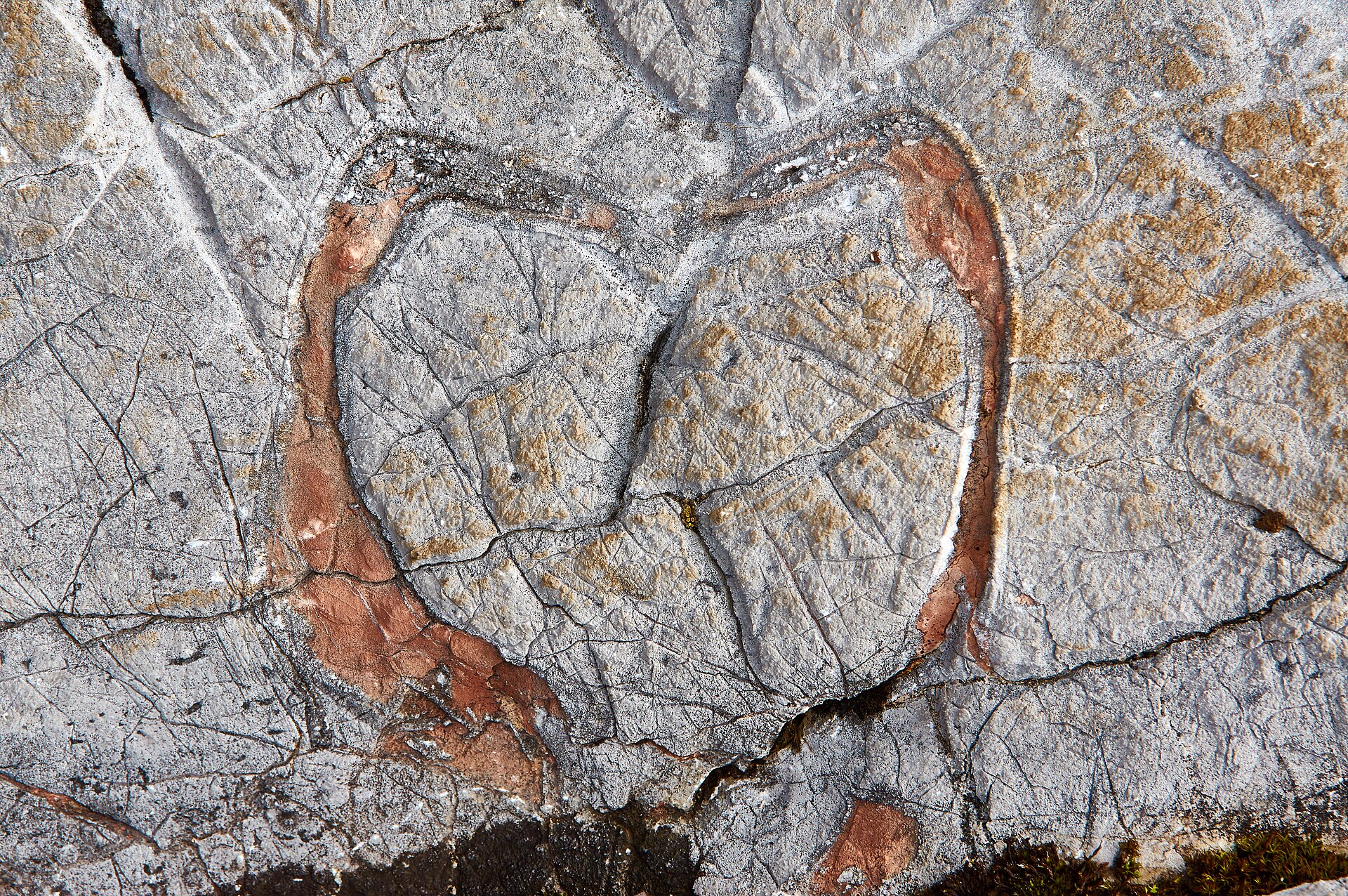
Historically, popular artistic reconstructions presented Otodus megalodon as a bulky, wide-bodied giant—essentially a scaled-up version of the modern Great White Shark. However, recent scientific reassessments of fossilized vertebral columns (such as specimen IRSNB P 9893) propose an alternative interpretation [7][8]. This research suggests that its body shape may have been more elongated and slender, resembling the streamlined body proportions of modern mako or lemon sharks rather than a stocky Great White [7][8]. Because complete soft tissue is absent from the fossil record, researchers continue to analyze vertebral specimens to determine whether its true profile was slender or stout [7][8].
Busting the Deep-Sea Myths: Trench Monster or Evolutionary Cousin?
Is it possible that Otodus megalodon still lurks in unexplored habitats like the Mariana Trench? Verified scientific evidence demonstrates that this scenario is ecologically impossible [1][2]. Adult Otodus megalodon were specialized apex predators of warm pelagic surface waters and productive coastal environments, relying on abundant surface-dwelling marine mammals and warm water temperatures [1][2]. Deep oceanic trenches, by contrast, are pitch-black, near-freezing, and severely lacking in massive prey populations. A giant, warm-bodied predator could not satisfy its huge caloric requirements in such a frigid, energy-depleted environment [1][2].
Another common misconception is that Otodus megalodon is the direct ancestor of the modern Great White Shark. While both possess serrated teeth designed for cutting large marine prey, evolutionary studies confirm that their lineages split roughly 55 million years ago [1][2]. Otodus megalodon belongs to the extinct family Otodontidae, whereas the Great White Shark belongs to the family Lamnidae [1][2]. The visual similarity between their teeth is the result of convergent evolution—the process where distantly related species independently develop similar physical adaptations because they occupy comparable hunting roles in their environments [1][2].
An Apex Powerhouse: Synthesis of an Ocean Reign
Synthesizing these verified facts paints a clear picture of why Otodus megalodon dominated ancient seas and why its reign ultimately ended [1][2]. By combining an immense body length of 15 to 20 meters, a staggering weight of up to 90 tons, an unmatched bite force of up to 18 tons, and an elevated body temperature 7°C above ocean waters, Otodus megalodon engineered an unprecedented predatory hold on global temperate and tropical marine ecosystems [1][2][3][4][6].
However, maintaining such immense scale and elevated internal energy required an uninterrupted supply of heavy prey and accessible warm coastal nurseries for its offspring [1][2]. Fossil evidence confirms that Otodus megalodon went completely extinct approximately 3.6 million years ago during the early Pliocene epoch, with no physical fossils occurring after this period [1][2]. Environmental climate shifts, changes in marine mammal distribution, and the loss of warm nursery areas likely disrupted the delicate balance required to sustain such a massive apex predator [1][2].
Returning to our opening question: could a bus-sized predator still be hiding in the dark ocean depths? The fossil record provides a definitive answer [1][2]. Otodus megalodon was not a denizen of cold, dark abyssal trenches, but a warm-bodied king of sunlit temperate and tropical seas [1][2]. Though its extinction 3.6 million years ago marked the end of the largest shark species in Earth’s history, its serrated fossil teeth remain as solid proof of an era when giant predators ruled the oceans [1][2][5].
Featured image credit
Created by TaxonGuru · AI-generated featured explanatory reconstruction · not a documentary photograph · generated 2026-09-04
Sources and editorial policy
This feature is based on publicly available scientific and institutional sources listed below. Read our editorial and fact-checking policy and AI use policy. Report a correction: kjhtime@gmail.com
References
- saveourseas.com — saveourseas.com, accessed 2026-09-03
- australian.museum — australian.museum, accessed 2026-09-03
- facebook.com — www.facebook.com, accessed 2026-09-03
- discovermagazine.com — www.discovermagazine.com, accessed 2026-09-03
- a-z-animals.com — a-z-animals.com, accessed 2026-09-03
- forbes.com — www.forbes.com, accessed 2026-09-03
- eurekalert.org — www.eurekalert.org, accessed 2026-09-03
- researchgate.net — www.researchgate.net, accessed 2026-09-03