Imagine standing on a muddy inland floodplain in ancient North America nearly 68 million years ago [1][6]. A vast shadow sweeps across the riverbank, and moments later, a towering creature touches down on all four limbs, standing as tall as a modern giraffe [4][8]. This was Quetzalcoatlus northropi, an astonishing winged reptile that inhabited late Cretaceous wetlands before disappearing during the K-Pg extinction event [1][6]. Before you label this ancient aerial giant a flying dinosaur, however, there is an important taxonomic distinction you need to know.
Size Lab: How Does a Prehistoric Flier Measure Up?
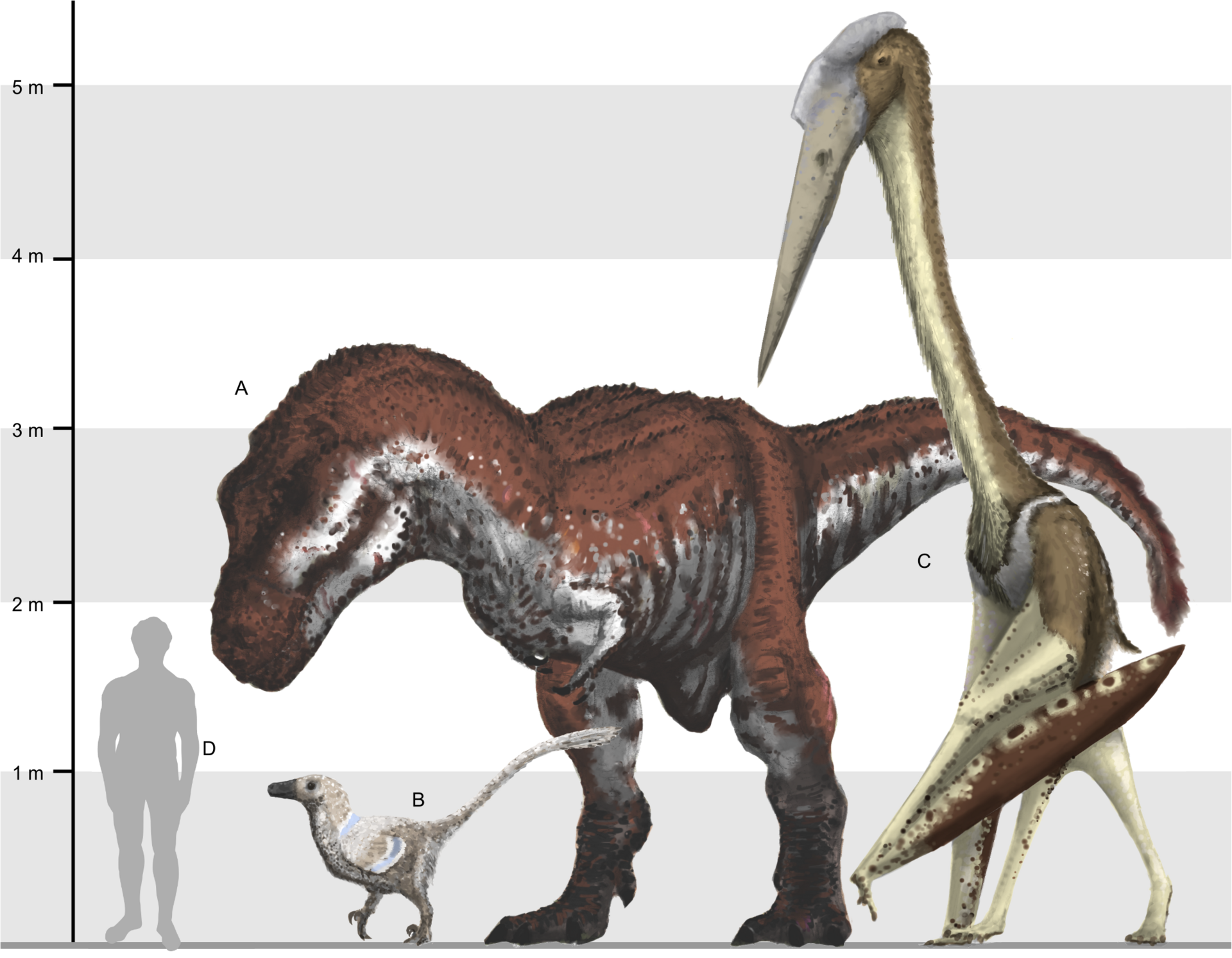
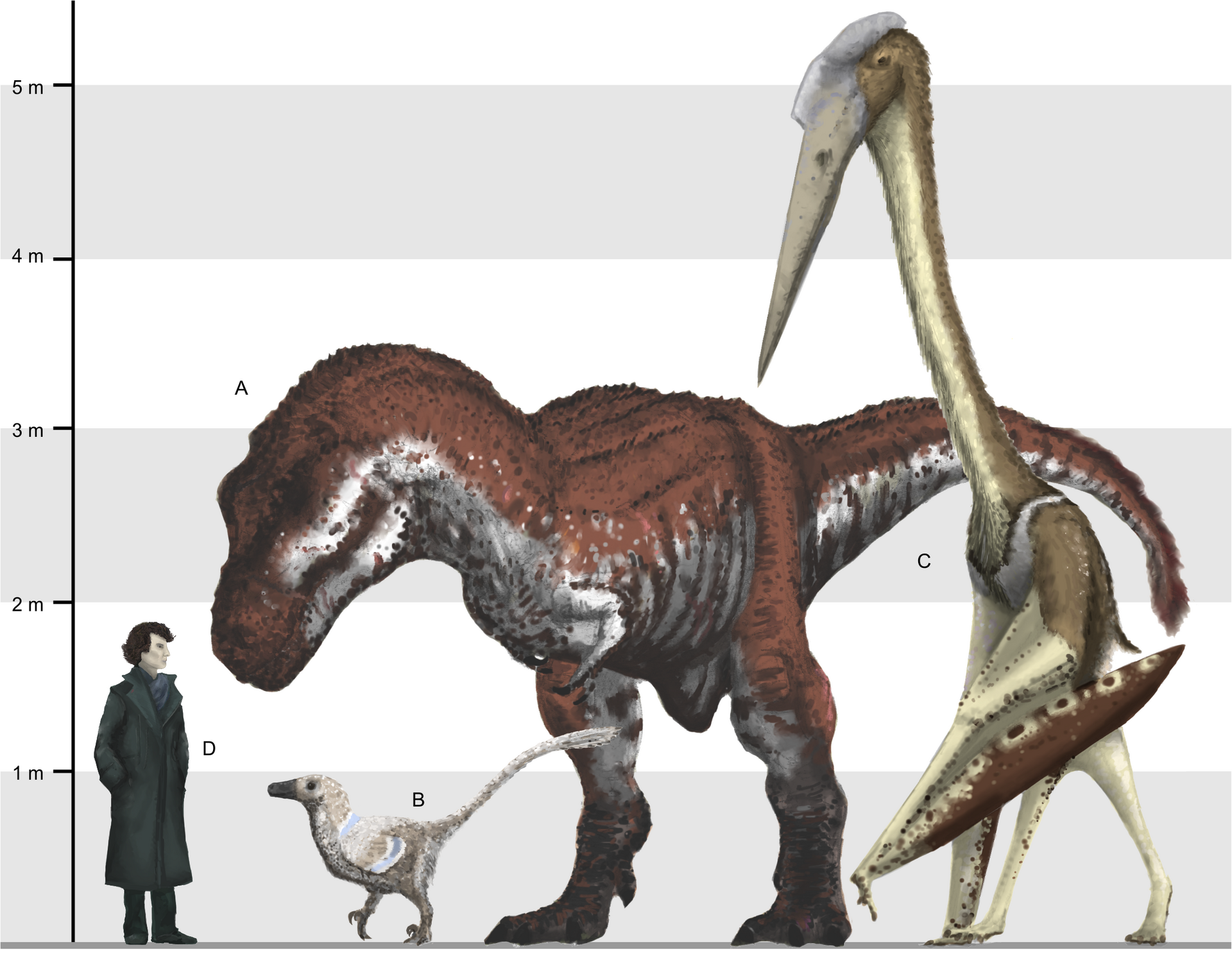
To appreciate the sheer physical presence of Quetzalcoatlus northropi, it helps to compare its measurements to familiar modern objects and animals [4][8]. When standing on the ground on all four limbs, its shoulder height alone measured between 4 and 5 meters (13 to 16 feet) [4, 8, 10]. That stature matches an adult giraffe, allowing the animal to stand shoulder-to-shoulder with the tallest living land mammal without even extending its long neck [4][8].
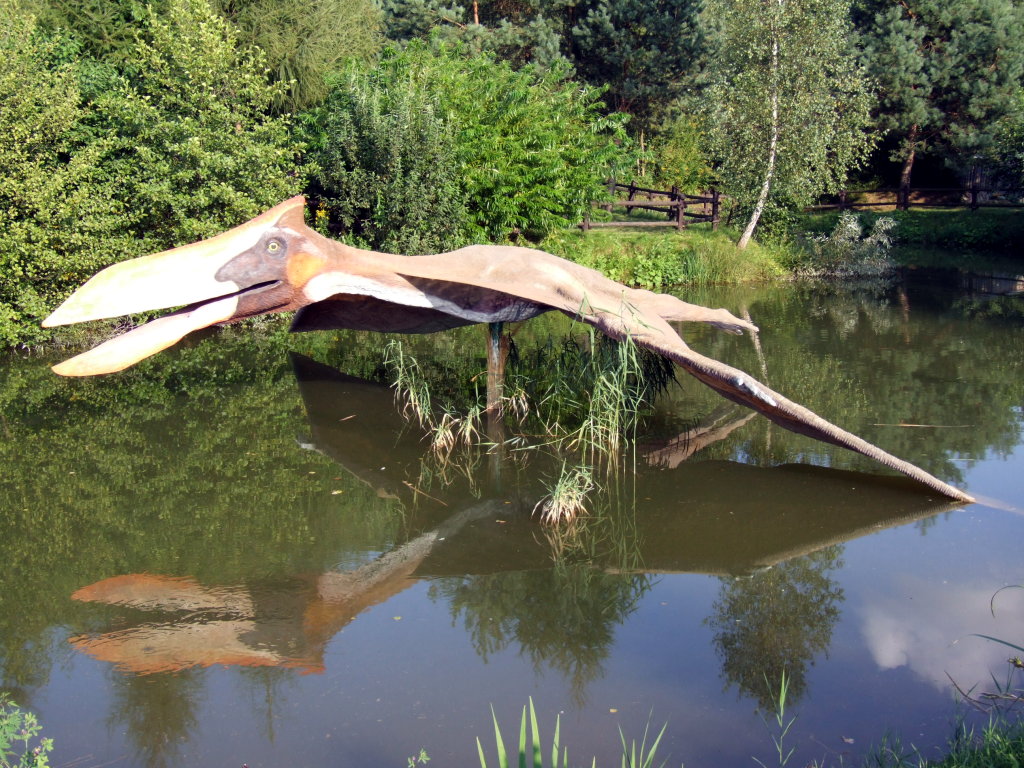
When it unfurled its wings, its proportions became even more striking. While early media reports in the 1970s exaggerated its wingspan up to 15 meters, modern skeletal reconstructions have established a verified wingspan of 10 to 11 meters (33 to 36 feet) [1][10]. That gives Quetzalcoatlus northropi a wingspan comparable to an F-16 fighter jet [4, 8, 10]. It remains one of the largest flying organisms ever discovered in Earth’s history [4][8].
Myth Buster: Not a Dinosaur, and Not Feathered
Is Quetzalcoatlus a flying dinosaur? Despite popular culture frequently lumping prehistoric reptiles together, the scientific answer is a firm no [1][3]. In biological classification, Quetzalcoatlus northropi belongs to the order Pterosauria and the family Azhdarchidae [1, 3, 6]. Pterosaurs—or flying reptiles—form a distinct lineage within the group Archosauria, acting as a sister group to dinosaurs rather than living as true dinosaurs [1, 3, 6].
If you were able to examine its body up close, you would not find typical reptilian scales or avian feathers. Instead, Quetzalcoatlus was covered in pycnofibers, which are primitive, hair-like fibrous structures [1][2]. Distinct from bird feathers, these structural filaments are believed to have provided insulation, helping the animal maintain its body temperature across inland environments [1][2].
How Did a Jet-Sized Reptile Take Off?
How does a creature with a giraffe-like shoulder height launch itself into the sky without an engine? For decades, scientists wondered how such a massive animal could generate enough lift to take off. The secret lies in hollow skeletal construction paired with an explosive maneuver known as a quadrupedal launch [4, 8, 11].
Rather than running on two hind legs like modern birds, Quetzalcoatlus used all four limbs to leap into the air [4, 8, 11]. Biomechanical research shows that by forcefully pushing off the ground with its powerful front wings and hind legs, it vaulted roughly 2.4 meters (8 feet) into the air before beginning its very first wingbeat [4, 8, 11].
This high-power takeoff was made possible by pneumatized bones—hollow bone structures filled with internal air pockets and reinforced by thin outer walls [3][8]. This air-filled skeletal design drastically reduced overall body mass while maintaining high structural strength, allowing its skeleton to absorb the heavy mechanical stress of a four-limbed launch [3][8].
Terrestrial Hunter: Why It Was Not an Ocean Skimmer
Popular art often shows giant pterosaurs gliding low over open ocean waves, dipping their snouts into the water to catch fish. Hydrodynamic modeling, however, completely rules out this “skim-feeding” technique for Quetzalcoatlus [2, 5, 7]. If an animal of this size dipped its snout into the water while flying at high speed, the resulting fluid drag would generate enough force to break its neck bones [2, 5, 7].
Fossil deposits from the Javelina Formation in Texas show that Quetzalcoatlus northropi actually inhabited inland floodplains, river corridors, and wetland environments [1, 6, 7]. Instead of hunting over open water, it functioned as an active ground predator, walking on four limbs much like a modern stork [7][8]. Stalking across dry land and muddy riverbanks, it picked up small vertebrates and baby dinosaurs from the surrounding vegetation [7][8].
The Weight Debate: 250 or 500 Kilograms?
While its wingspan and height are well established through fossil measurements, the exact living body mass of Quetzalcoatlus northropi remains a subject of ongoing scientific debate [5][9]. Because soft tissues like muscle and organs rarely fossilize, researchers must use mathematical and anatomical models to calculate its mass [5][9].
Recent 3D biomechanical modeling by paleontologists like Mark Witton estimates its body mass at approximately 200 to 250 kilograms (440 to 550 pounds) [5][9]. These models emphasize its streamlined frame and pneumatized bones, arguing that a lighter mass was essential to permit powered flight and quadrupedal launches [4, 5, 8]. Conversely, older structural models and some researchers suggest that supporting massive flight muscles required a weight approaching 500 kilograms (1,100 pounds) [5][9].
Connecting these verified facts explains why body mass estimation is so important to paleontology. By synthesizing data on air-filled bones, quadrupedal launch mechanics, and terrestrial foraging, scientists can test the ultimate physical boundaries of animal flight [3, 4, 7, 8]. If Quetzalcoatlus weighed 250 kilograms, it represented the ultimate balance between skeletal strength and weight reduction [3, 5, 8]. If it weighed 500 kilograms, it operated at the absolute physical threshold of biological muscle power [5][9].
Unearthing the Texas Giant
The story of this giant flier began in 1971, when Douglas Lawson, then a graduate student at the University of Texas, discovered partial wing bones in the Javelina Formation of Big Bend National Park, Texas [1, 6, 8]. The specimen was officially described in 1975, establishing the genus Quetzalcoatlus and its massive species, Quetzalcoatlus northropi [1, 6, 8].
Because the type specimen of Q. northropi consists primarily of wing elements, scientists face natural limitations when reconstructing its complete body [1, 7, 8]. Researchers rely on complementary fossil data from a smaller relative, Quetzalcoatlus lawsoni, to help reconstruct missing skeletal details [1, 7, 8]. Additionally, because direct nest or egg fossils of Q. northropi have not been discovered, its reproductive habits are inferred from related pterosaur species [1, 7, 8].
Standing on the Cretaceous riverbanks of ancient Texas, watching a giraffe-tall shadow leap 2.4 meters into the air, you would have witnessed one of the greatest mechanical feats in natural history [4, 8, 11]. Quetzalcoatlus northropi was neither a flying dinosaur nor an ocean swimmer [1, 2, 7]. It was a ground-hunting predator that used hollow, air-filled bones and quadrupedal launch power to dominate the prehistoric skies [3, 4, 7, 8]. Though the K-Pg extinction event ultimately brought an end to its lineage, its fossils remain a vivid testament to how far evolution can push the boundaries of flight [1, 6, 8].
Featured image credit
Image: Mark P. Witton · Wikimedia Commons · CC BY 2.0 · original file
Sources and editorial policy
This feature is based on publicly available scientific and institutional sources listed below. Read our editorial and fact-checking policy and AI use policy. Report a correction: kjhtime@gmail.com
References
- wikipedia.org — en.wikipedia.org, accessed 2026-09-19
- tetzoo.com — tetzoo.com, accessed 2026-09-19
- smv.org — smv.org, accessed 2026-09-19
- scitechdaily.com — scitechdaily.com, accessed 2026-09-19
- blogspot.com — markwitton-com.blogspot.com, accessed 2026-09-19
- britannica.com — www.britannica.com, accessed 2026-09-19
- bioone.org — bioone.org, accessed 2026-09-19
- berkeley.edu — news.berkeley.edu, accessed 2026-09-19
- lorenabarba.com — lorenabarba.com, accessed 2026-09-19
- researchgate.net — www.researchgate.net, accessed 2026-09-19
- gizmodo.com — gizmodo.com, accessed 2026-09-19