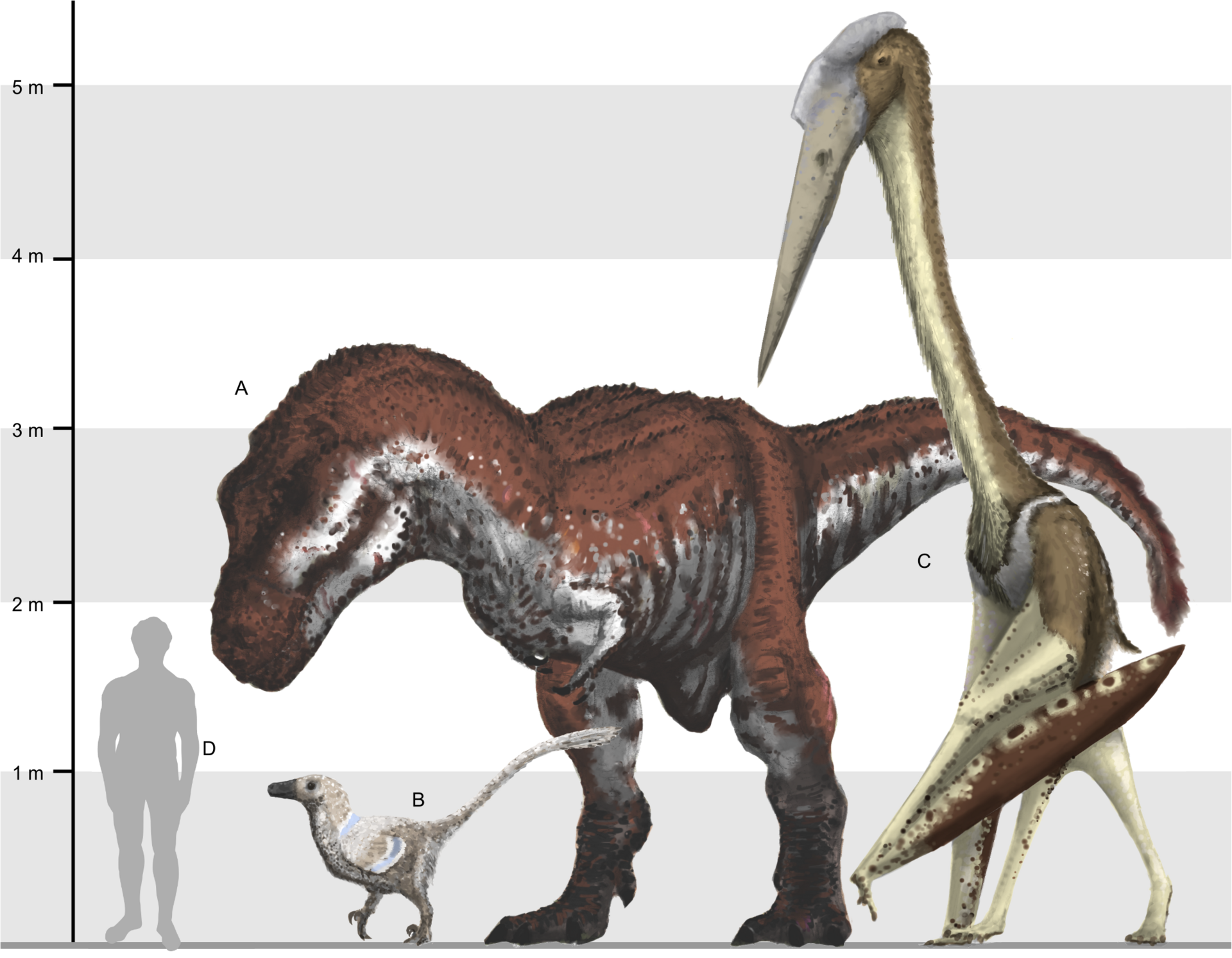
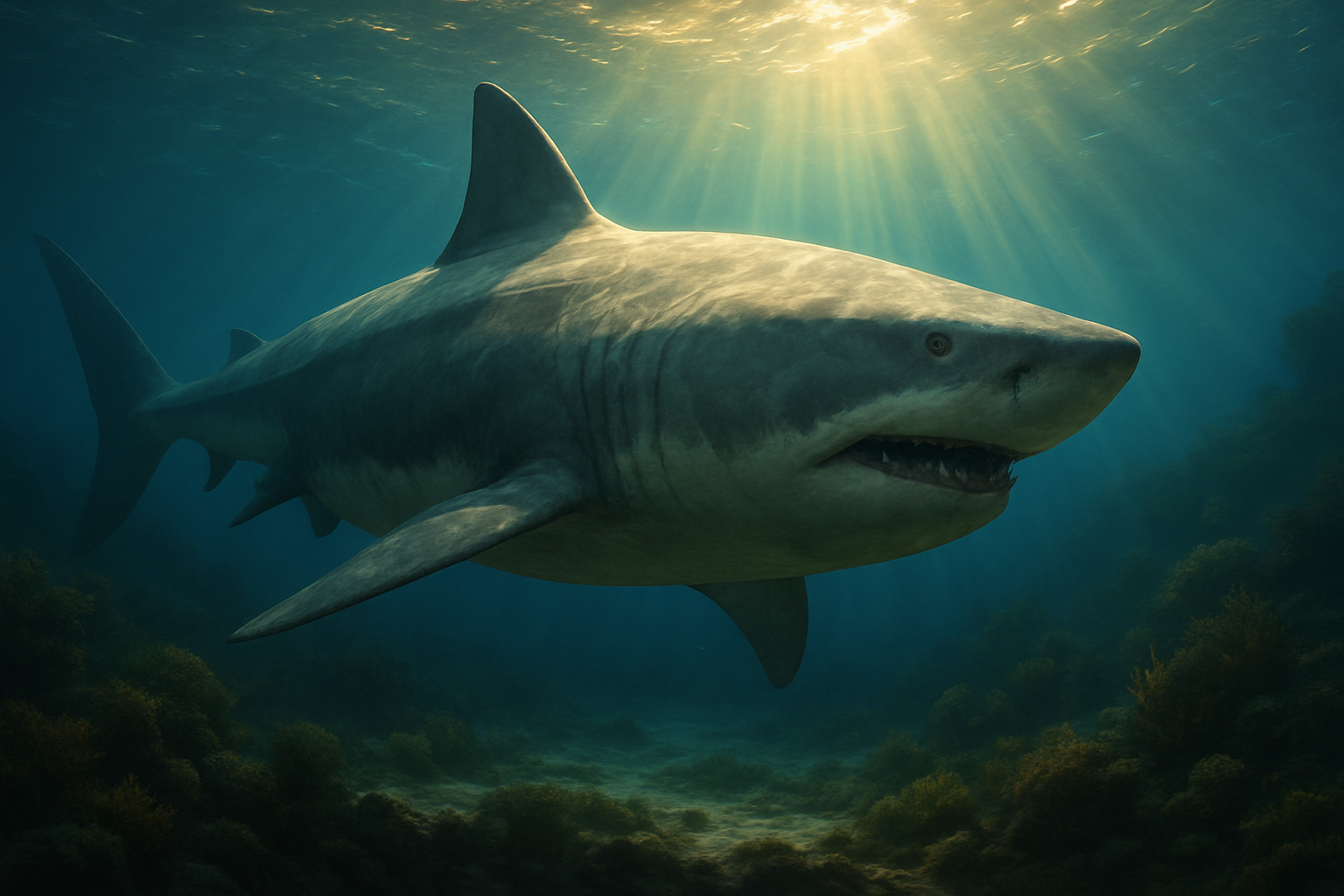
수족관의 거대한 유리창 너머로 길쭉한 시내버스 한 대가 묵직하게 헤엄쳐 지나가는 모습을 떠올려 보세요. 도로 위를 달리는 버스의 운전석부터 뒷문 끝까지에 달하는 비현실적인 길이를 지닌 생물이 과거 지구의 바다를 누비고 있었습니다 [2][6]. 영화를 통해 대중에게 잘 알려진 대형 상어 백상아리조차 작게 보일 만큼 거대한 이 존재의 정체는 바로 메갈로돈(Otodus megalodon)입니다 [1][2][6]. 그렇다면 시내버스 크기에 육중한 몸집을 지녔던 이 태고의 포식자는 과연 어떤 생물이었으며, 지금도 깊은 바닷속 어딘가에 숨어 살고 있다는 소문은 사실일까요?
시내버스보다 길고 대형 코끼리 수십 마리 무게: 압도적인 스케일
과학자들이 이빨 크기와 척추 화석을 분석해 추정한 성체 메갈로돈의 몸길이는 약 15m에서 20m에 달합니다 [2][6]. 이는 일반적인 대형 시내버스 한 대의 길이를 웃도는 크기입니다 [2][6]. 추정 체중 역시 40톤에서 90톤 이상으로, 육상의 거대한 코끼리 수십 마리를 합친 것과 맞먹는 육중한 무게입니다 [2][6].
메갈로돈의 입안에는 약 276개의 이빨이 배열되어 있었습니다 [2][5]. 그중 가장 큰 이빨의 사선 높이는 최대 약 18cm에 달하며, 두꺼운 톱날 형태의 가장자리와 강력한 에나멜층으로 둘러싸여 있었습니다 [2][5]. 이러한 이빨 구조는 먹잇감의 단단한 뼈와 살을 짓부수기에 매우 효과적이었습니다 [2][5].
다만 상어는 골격 대부분이 유연한 연골로 이루어져 있어 죽은 뒤 전신 골격이 화석으로 남기 어렵습니다 [7][8]. 이 때문에 과학자들은 주로 발견되는 이빨과 일부 척추 화석을 바탕으로 정밀한 추정 모델을 만들어 크기를 계산합니다 [2][6].
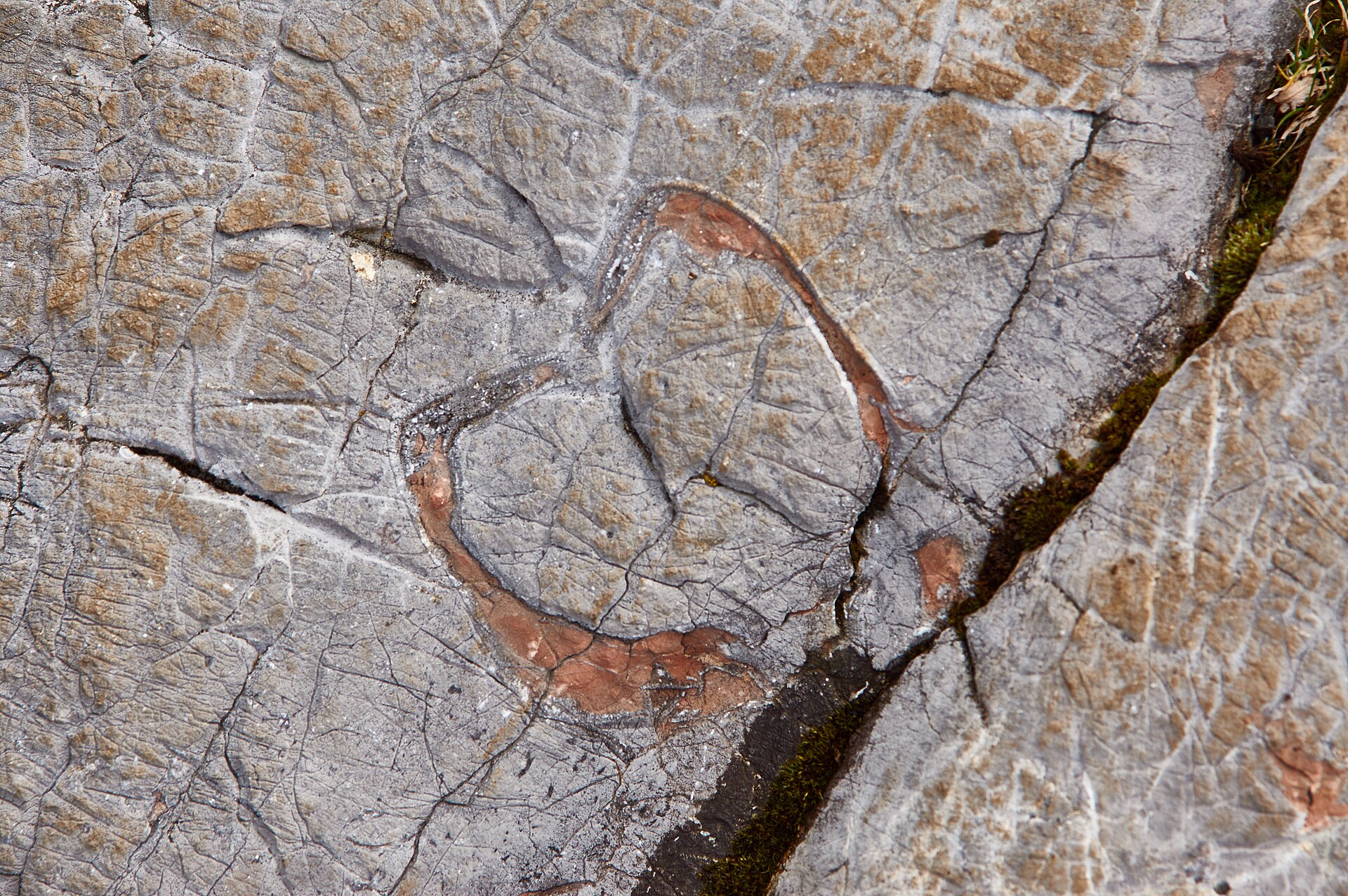
티라노사우루스를 뛰어넘는 악력: 치악력 18톤의 힘
메갈로돈이 신생대 해양 생태계의 최상위 포식자로 군림할 수 있었던 결정적인 무기는 강력한 턱 힘이었습니다 [1][2]. 컴퓨터 생체역학 모델링 분석에 따르면 메갈로돈의 추정 치악력은 108,514N에서 182,201N에 이릅니다 [3][4]. 이를 우리가 이해하기 쉬운 무게 단위로 환산하면 약 11톤에서 18톤에 해당하는 수치입니다 [3][4].
이 힘이 얼마나 대단한 것인지 비교해 보면 실감이 납니다. 현대 바다의 대표적 포식자인 백상아리의 치악력과 비교했을 때 메갈로돈의 턱 힘은 무려 10배에 달합니다 [3][4]. 나아가 중생대 육상을 지배했던 거대 육식 공룡 티라노사우루스의 치악력보다도 약 3배나 강력한 수준입니다 [3][4].
메갈로돈은 약 2,300만 년 전부터 360만 년 전까지 신생대 마이오세와 플라이오세 바다에 생존했습니다 [1][2]. 거대하고 강인한 턱 구조를 갖춘 이 포식자는 고래를 포함한 대형 해양 포유류를 주된 먹이로 삼으며 바다 전체를 지배했습니다 [1][2].
백상아리의 직계 조상이 아니다? 잘못 알려진 계통의 비밀
흔히 메갈로돈을 ‘과거에 살았던 거대한 백상아리’로 오해하곤 합니다. 과거 일부 분류학에서는 메갈로돈과 백상아리를 동일한 백상아리과(Lamnidae)로 묶기도 했습니다 [1][2]. 그러나 계통분류학 연구가 진전되면서 두 종의 진짜 친척 관계가 밝혀졌습니다 [1][2].
메갈로돈은 백상아리과가 아니라 이미 약 5,500만 년 전에 계통이 갈라져 나온 멸종 과인 오토두스과(Otodontidae)에 속합니다 [1][2]. 따라서 메갈로돈의 정식 학명 역시 기존에 쓰이던 ‘Carcharodon megalodon‘이 아닌 오토두스속을 뜻하는 ‘Otodus megalodon‘으로 변경되었습니다 [1][2].
그렇다면 왜 두 상어는 이빨 가장자리의 톱날 구조처럼 서로 닮은 구석이 있는 걸까요? 이는 서로 다른 계통의 생물이 비슷한 생태적 지위와 사냥 환경에 적응하면서 닮은 형태로 진화하는 수렴진화(convergent evolution)의 대표적인 사례입니다 [1][2]. 즉, 백상아리는 메갈로돈의 직계 후손이나 조상이 아니며, 각자의 계통에서 대형 먹이를 사냥하기 위해 유사한 이빨 형태를 발전시킨 것입니다 [1][2].
체온 유지 능력과 고래 포식: 두 가지 사실이 밝혀낸 생태적 지위
메갈로돈의 이빨 에나멜을 이용한 동위원소 고체온측정(isotope paleothermometry) 연구는 이 거대 포식자에 관한 놀라운 사실을 증명했습니다 [1][2]. 메갈로돈은 주변 바닷물 온도보다 약 7°C 높은 체온을 유지할 수 있었던 지역적 내온성(regional endothermy), 즉 온혈 특성을 지닌 생물이었습니다 [1][2].
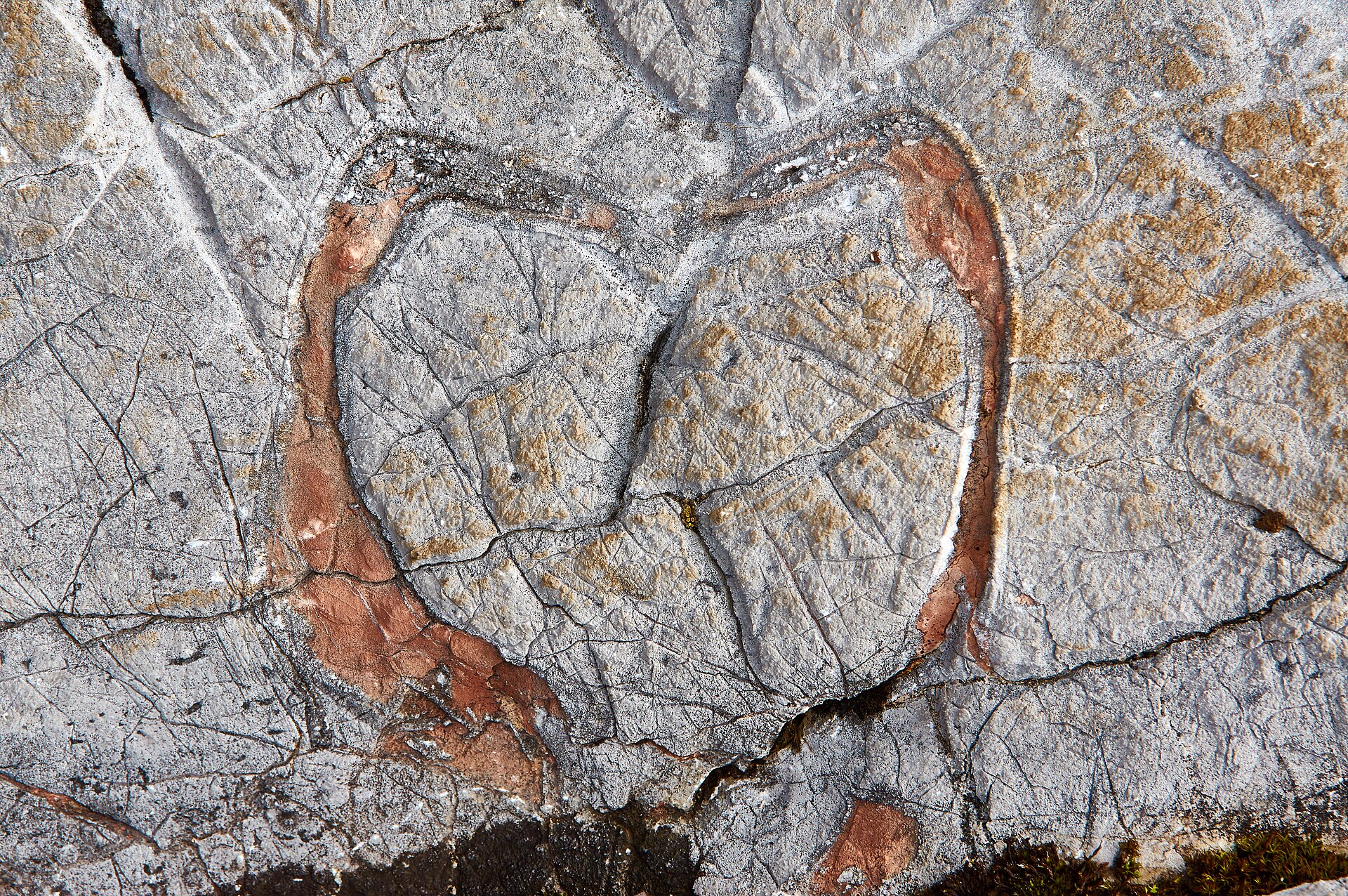
여기서 ‘높은 체온 유지 능력’이라는 사실과 ‘대형 해양 포유류 포식 습성’이라는 또 다른 검증 사실을 연결해 볼 필요가 있습니다 [1][2]. 차가운 바닷속에서 주변 수온보다 높은 체온을 유지하려면 생체 내에서 높은 대사율을 유지해야 합니다 [1][2]. 높은 대사율은 근육 운동을 활발하게 만들어 차가운 수온에서도 빠른 헤엄과 강력한 사냥 활동을 가능하게 해 주었지만, 동시에 지속적으로 엄청난 양의 칼로리를 소비하게 만들었습니다 [1][2].
따라서 메갈로돈이 높은 대사율을 가진 육중한 몸집을 유지하기 위해서는 에너지 밀도가 매우 높은 대형 고래류 사냥에 의존할 수밖에 없었습니다 [1][2]. 이러한 생태적 특성은 메갈로돈의 서식지 분포와도 직결됩니다. 성체 메갈로돈은 먼 바다인 외양과 깊은 연안을 무대로 대형 먹이를 쫓았고, 새끼들은 따뜻하고 얕은 연안의 육육 구역(nursery)에서 안전하게 성장했습니다 [1][2]. 그 결과 메갈로돈은 전 세계 극지방을 제외한 온대 및 열대 바다 전역에 넓게 분포할 수 있었습니다 [1][2].
길고 날씬한 체형일까, 두툼한 덩치일까? 화석이 남긴 논쟁
메갈로돈의 세부적인 전체 몸 체형에 대해서는 지금도 과학자들 사이에서 흥미로운 논의가 이어지고 있습니다 [7][8]. 기존의 전통적인 복원 모델에서는 현대의 백상아리를 그대로 거대하게 확대한 둔중하고 두꺼운 체형으로 메갈로돈을 그려왔습니다 [7][8].
하지만 최근 벨기에에서 발견된 척추골 화석(IRSNB P 9893)을 정밀 분석한 연구에서는 다른 가능성이 제시되었습니다 [7][8]. 메갈로돈이 기존 생각보다 청상아리나 레몬상어처럼 길고 날씬한 몸체 윤곽을 가졌을 것이라는 주장입니다 [7][8].
상어와 같은 연골어류는 지느러미나 피부 등 연조직이 화석으로 남지 않는 한계가 있습니다 [7][8]. 따라서 정확한 지느러미 위치나 세부적인 외형 비율은 연구자가 사용하는 분석 모델에 따라 오차가 존재하며, 이에 대한 구체적인 복원 연구는 학계에서 현재 진행형입니다 [7][8].
마리아나 해구 깊은 곳에 살아있을까? 괴담과 오해 바로잡기
영화나 대중매체에서는 “인류의 탐사가 미치지 못한 마리아나 해구 같은 깊은 바닷속에 메갈로돈이 아직 살아있지 않을까?”라는 매혹적인 질문을 자주 던집니다. 그러나 이는 과학적 사실과 명백히 어긋나는 오해입니다.
화석 기록에 따르면 메갈로돈은 플라이오세 조기에 해당하는 약 360만 년 전에 완전히 멸종했습니다 [1][2]. 360만 년 전 이후의 지층에서는 메갈로돈의 이빨이나 척추 화석이 단 하나도 발견되지 않습니다 [1][2].
생태학적 이유 역시 심해 생존 설을 완벽히 반박합니다. 메갈로돈은 따뜻한 표층과 연안 생태계에 적응하여 높은 체온을 유지하던 대형 온혈 포식자였습니다 [1][2]. 수온이 빙점에 가깝게 차갑고 먹이 자원이 극도로 부족한 심해 해구 환경에서는 높은 대사율과 거대한 몸집을 가진 생물이 생존하는 것 자체가 불가능합니다 [1][2].
수족관 창너머로 시내버스만 한 거대 상어가 지나가는 상상이나, 깊은 바닷속에 태고의 괴물이 숨어있을 것이라는 호기심은 영화적 재미로 충분합니다 [2][6]. 최대 20m에 달하는 몸길이, 18cm의 이빨, 그리고 18톤에 달하는 치악력으로 바다를 호령했던 진짜 바다의 지배자 메갈로돈 [2][3][4][5][6]. 약 360만 년 전 지구상에서 자취를 감춘 이 거대 온혈 포식자는 이제 화석이라는 기록을 통해서만 만날 수 있는 고대 바다의 입증된 역사입니다 [1][2].
대표 이미지 출처
TaxonGuru 제작 · AI 기반 대표 설명용 재현 이미지 · 실제 관찰 사진 아님 · 생성일 2026-09-04
자료와 편집 원칙
이 글은 공개된 학술·기관 자료를 바탕으로 작성되었으며, 주요 사실은 아래 참고자료에서 확인할 수 있습니다. 편집 및 팩트체크 정책과 AI 활용 정책을 공개하고 있습니다. 오류 제보: kjhtime@gmail.com
참고자료
- saveourseas.com — saveourseas.com, 확인일 2026-09-03
- australian.museum — australian.museum, 확인일 2026-09-03
- facebook.com — www.facebook.com, 확인일 2026-09-03
- discovermagazine.com — www.discovermagazine.com, 확인일 2026-09-03
- a-z-animals.com — a-z-animals.com, 확인일 2026-09-03
- forbes.com — www.forbes.com, 확인일 2026-09-03
- eurekalert.org — www.eurekalert.org, 확인일 2026-09-03
- researchgate.net — www.researchgate.net, 확인일 2026-09-03