Skip to content
TaxonGuru.com

TaxonGuru.com

  • Home
  • Features / 기획 연재
  • Evolution Mysteries / 진화의 미스터리
  • 물고기? 육지동물? 미스터리한 중간자 ‘틱타알릭’ – Tiktaalik: The Fish That Walked (Almost)

물고기? 육지동물? 미스터리한 중간자 ‘틱타알릭’ – Tiktaalik: The Fish That Walked (Almost)

Posted on 6월 24, 2026 By kjhtime@gmail.com 물고기? 육지동물? 미스터리한 중간자 ‘틱타알릭’ – Tiktaalik: The Fish That Walked (Almost)에 댓글 없음
Evolution Mysteries / 진화의 미스터리


물고기? 육지동물? 미스터리한 중간자 ‘틱타알릭’ – TaxonGuru


물고기? 육지동물? 미스터리한 중간자 ‘틱타알릭’

분류 트리: Animalia > Chordata > Sarcopterygii > Elpistostegalia

🐟 훅(Hook): 물고기의 야망, 뭍을 향한 꿈!

안녕하세요, ‘TaxonGuru’ 블로그의 수석 고생물학자, 에디터 택슨구루입니다! 오늘은 물속 생활에 만족하지 않고, 감히 육지를 넘본 한 물고기(?) 이야기로 여러분을 초대합니다. “아니, 물고기가 무슨 수로 뭍을 기어 다닌단 말이야?”라고 생각하시죠? 하지만 약 3억 7,500만 년 전 데본기 후반, 이 과감한 선구자는 정말로 그 길을 개척했습니다. 이른바 ‘진화계의 혁명가’, 틱타알릭(Tiktaalik roseae)! 지느러미로 헤엄치다, 지느러미로 뭍을 기어 다니기 시작한 이 미스터리한 중간자는 과연 육지 정복에 성공했을까요? 아니면 그저 ‘물고기의 허세’로 끝났을까요? 그 흥미진진한 진화의 드라마 속으로 함께 뛰어들어 봅시다!

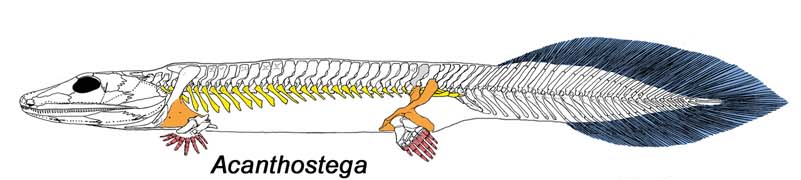
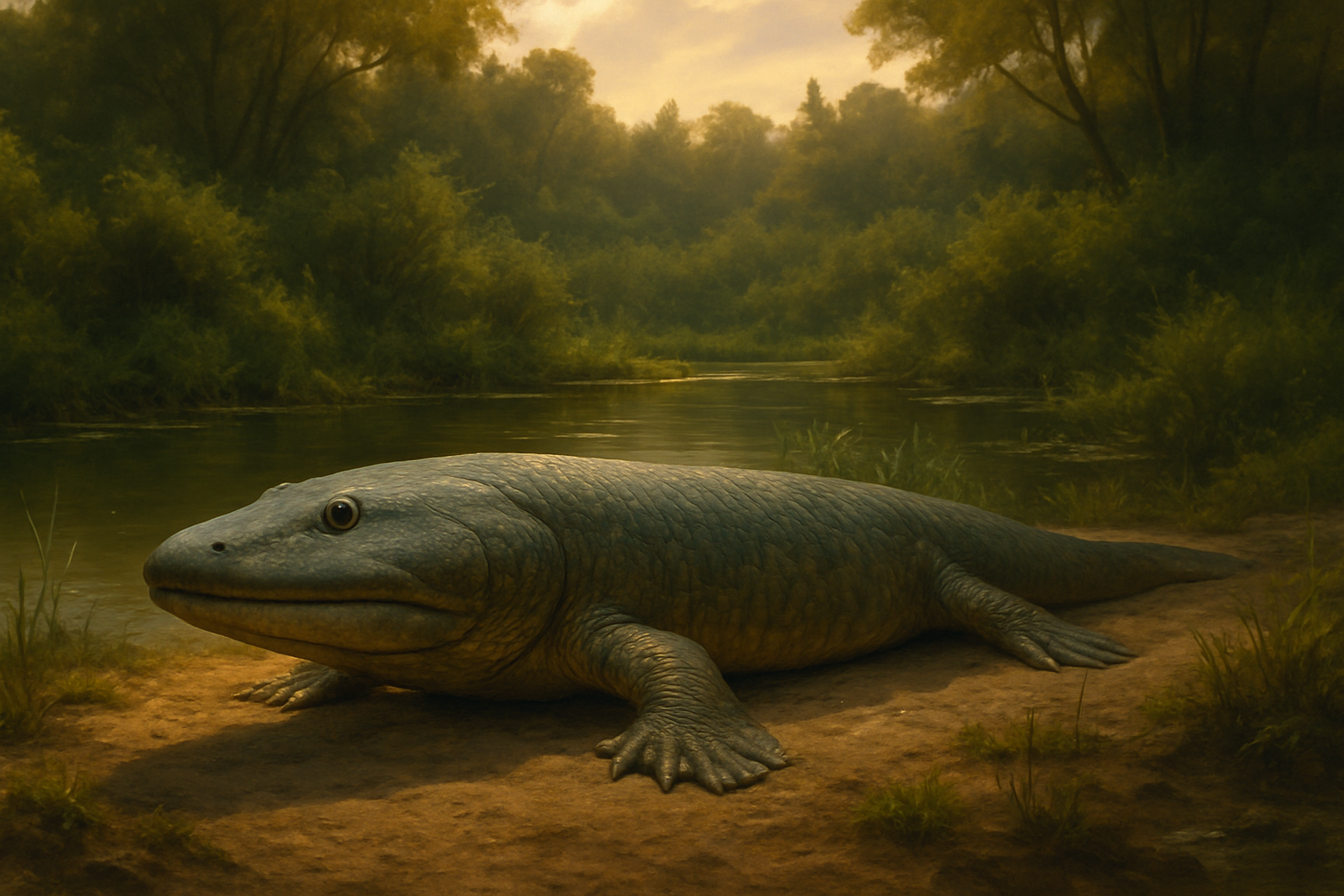
Tiktaalik roseae 관찰 사진
📸 위키미디어 제공: 자연 상태의 물고기? 육지동물? 미스터리한 중간자 ‘틱타알릭’ – Tiktaalik: The Fish That Walked (Almost) 기록 사진

🔬 사이언티픽 백본(Scientific Backbone): 지느러미 발 달린 물고기?

틱타알릭은 2004년 캐나다 북극 지역에서 발견되어 고생물학계를 뒤집어 놓은 녀석입니다. 학명 Tiktaalik roseae는 이누이트어로 ‘큰 민물고기’를 의미하며, ‘장미빛’이라는 뜻의 ‘roseae’가 붙어 그 독특한 색을 암시합니다. 분류 트리를 보면 Animalia > Chordata > Sarcopterygii > Elpistostegalia에 속하는데, 여기서 중요한 건 바로 ‘Sarcopterygii’, 즉 육기어류입니다. 이름 그대로 ‘살이 많은 지느러미’를 가진 어류인데, 이 지느러미 속에 이미 팔다리의 뼈대와 유사한 구조가 숨어있었죠. 틱타알릭은 이 육기어류와 초기 사지동물(tetrapods) 사이의 ‘잃어버린 고리’를 명확히 보여주는 화석으로, 물고기에서 육상 척추동물로 이어지는 진화 과정의 결정적인 증거로 평가받습니다. 마치 스마트폰의 초기 목업 디자인처럼, 완벽하진 않지만 미래의 가능성을 품고 있던 녀석인 셈이죠!

🦴 딥 아나토미(Deep Anatomy): 목 돌리는 물고기 봤어?

틱타알릭의 가장 놀라운 특징은 바로 해부학적 구조에 있습니다. 우선, 녀석은 납작한 머리를 가지고 있었는데, 이는 얕은 물이나 육상에서 몸을 지탱하기 유리했을 겁니다. 게다가 다른 물고기들과 달리 목이 있었다는 사실! 마치 “나 이제 고개 돌려서 뒷담화도 깔 수 있어!”라고 외치는 듯, 어깨와 분리된 목 덕분에 머리를 독립적으로 움직일 수 있었습니다. 척추 또한 더욱 튼튼해져서 몸을 지탱하는 데 유리했고, 가장 혁명적인 것은 역시 지느러미였습니다. 단순히 헤엄치는 팔랑이는 지느러미가 아니라, 그 안에 어깨, 팔꿈치, 손목에 해당하는 뼈들이 발달해 있었습니다. 흡사 손목뼈가 발달한 악어의 앞발을 연상시키죠. 이 견고한 지느러미 덕분에 틱타알릭은 물 밑바닥을 기거나, 뭍으로 올라와 몸을 지탱하고 움직일 수 있었을 것으로 추정됩니다. 아가미는 여전히 존재했지만, 폐의 흔적 또한 발견되어 공기 호흡의 가능성도 시사합니다. 한마디로, 육지 생활을 위한 ‘만반의 준비’를 하고 있던 셈입니다!

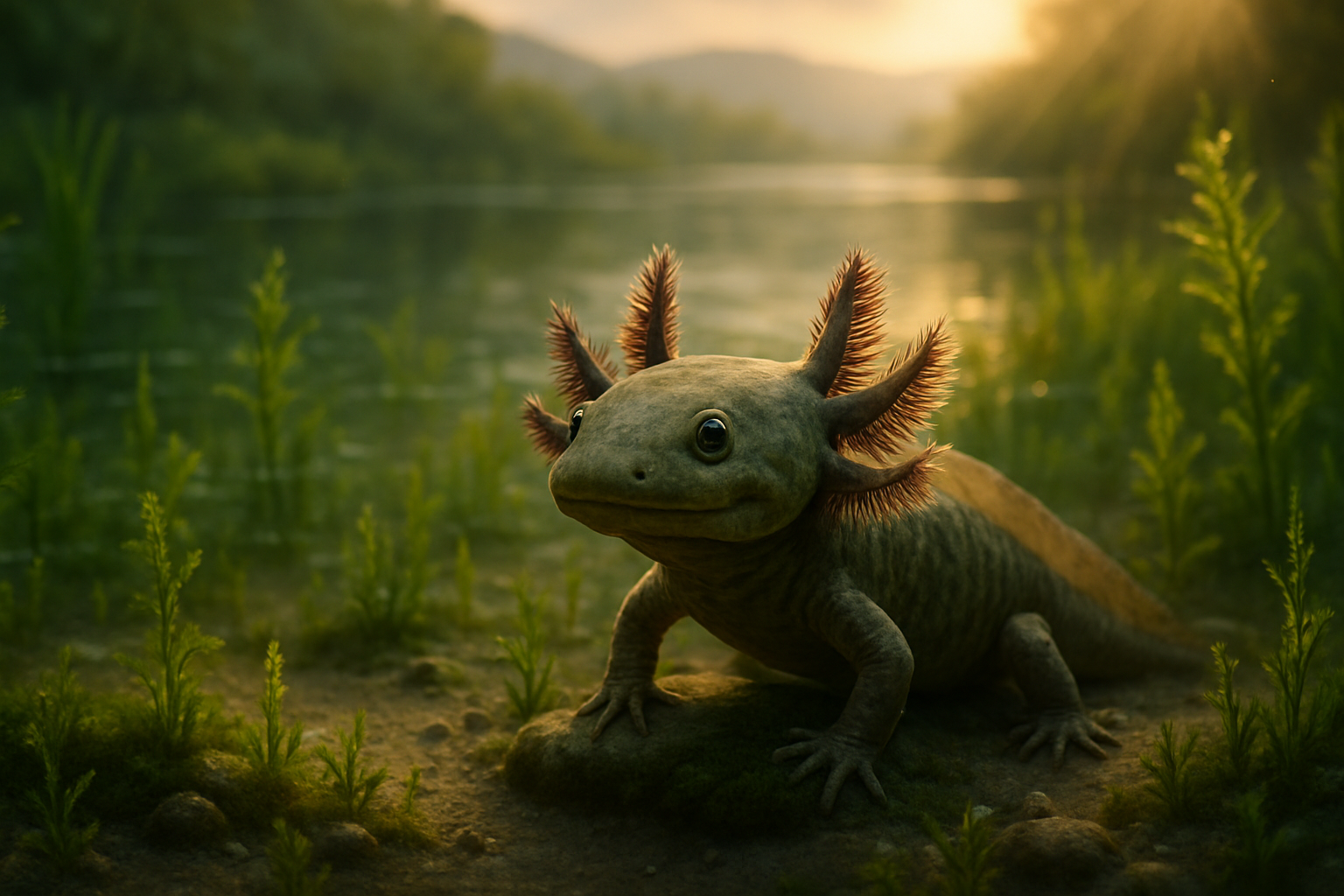
Tiktaalik roseae 관찰 사진
📸 위키미디어 제공: 자연 상태의 물고기? 육지동물? 미스터리한 중간자 ‘틱타알릭’ – Tiktaalik: The Fish That Walked (Almost) 기록 사진

🌿 진화적 맥락(Evolutionary Context): 육지 정복의 퍼스트 펭귄

틱타알릭은 지구 역사상 가장 위대한 ‘대이동’ 중 하나인 수생 환경에서 육상 환경으로의 진출에 있어 매우 중요한 위치를 차지합니다. 데본기 후반은 얕고 따뜻한 민물 환경이 많았고, 식물이 무성하게 자라 산소는 풍부했지만, 가뭄과 포식자로부터의 위협이 존재했습니다. 이런 환경에서 틱타알릭과 같은 육기어류는 새로운 기회를 엿보았습니다. 틱타알릭 이전에는 유스테놉테론(Eusthenopteron) 같은 물고기가 있었지만, 목이나 강한 지느러미 뼈대가 틱타알릭만큼 발달하지는 않았습니다. 틱타알릭은 지느러미를 이용해 뭍으로 나와 이동하고, 새로운 먹이를 찾거나 물웅덩이 사이를 건너 다녔을 것입니다. 비록 완전히 육상 생활에 적응한 것은 아니지만, 이 녀석의 ‘삐걱거리는 첫걸음’이 훗날 양서류, 파충류, 조류, 그리고 포유류로 이어지는 척추동물 진화의 길을 활짝 열어주었으니, 그 중요성은 아무리 강조해도 지나치지 않습니다. 틱타알릭은 진정한 의미에서 ‘육지 정복의 퍼스트 펭귄’이자, 진화적 전환점의 상징입니다.

📜 결론 & 깨알 지식(Verdict & Trivia): 미완의 성공

그럼 틱타알릭은 육지 정복에 성공했을까요? 결론부터 말하자면, 미완의 성공이었습니다. 녀석은 육지로의 가능성을 열었지만, 완전히 육상 생활을 영위하기에는 여전히 물에 의존적이었을 겁니다. 피부가 마르기 쉬웠고, 번식 또한 물속에서 이루어졌을 테니까요. 하지만 틱타알릭의 지느러미에서 발견된 ‘손목뼈’와 ‘목’, 그리고 납작한 두개골은 이후의 사지동물들이 육상 환경에 완벽하게 적응하는 데 필요한 신체적 청사진을 제공했습니다. 마치 베타 테스트 버전의 운영체제처럼, 완벽하진 않았지만 다음 버전의 성공을 위한 필수적인 단계였던 셈입니다.

  • 틱타알릭의 발견: 2004년 미국의 고생물학자 닐 슈빈(Neil Shubin) 팀에 의해 캐나다 엘즈미어 섬에서 발견되었습니다.
  • 별명: ‘물고기 다리’ 또는 ‘물고기-양서류’의 중간 형태를 나타내는 별명을 가지고 있습니다.
  • 그랜드 캐니언의 시간: 틱타알릭이 살았던 데본기 후반은 지질학적으로 ‘어류의 시대’라고 불리지만, 육상 생명체에게도 중요한 변화가 시작되던 시기였습니다.

틱타알릭의 이야기는 우리에게 진화란 결코 단번에 이루어지는 것이 아니라, 수많은 시도와 실패, 그리고 용기 있는 전환의 연속임을 알려줍니다. 물고기의 야망이 만들어낸 이 위대한 첫 발자국에 경의를 표하며, 에디터 택슨구루는 다음 탐험에서 다시 찾아뵙겠습니다!

TaxonGuru 블로그, 수석 고생물학자 에디터 택슨구루 드림

Tiktaalik: The Fish That Walked (Almost)

Taxonomy: Animalia > Chordata > Sarcopterygii > Elpistostegalia

🐟 Hook: A Fish’s Ambition, a Dream for Land!

Hello global readers! This is Editor TaxonGuru, Senior Paleontologist at the ‘TaxonGuru’ blog. Today, I invite you to a story about a fish (or something akin to it) that wasn’t content with aquatic life and dared to venture onto land. “A fish walking on land? Impossible!” you might think. But approximately 375 million years ago, in the Late Devonian period, this audacious pioneer truly blazed that trail. Meet the ‘revolutionary of evolution,’ Tiktaalik roseae! This mysterious intermediary, who swam with fins and then began to crawl with them on land, did it succeed in conquering the terrestrial world? Or was it merely a ‘fishy bluff’? Let’s dive into this thrilling evolutionary drama together!

🔬 Scientific Backbone: A Fish with Finned Feet?

Discovered in 2004 in the Canadian Arctic, Tiktaalik turned the paleontological world upside down. Its scientific name, Tiktaalik roseae, means ‘large shallow-water fish’ in Inuktitut, with ‘roseae’ hinting at its unique rosy coloration. Looking at its classification tree, it belongs to Animalia > Chordata > Sarcopterygii > Elpistostegalia. The key here is ‘Sarcopterygii’ or lobe-finned fish. As the name suggests, these fish possess fleshy fins, within which bone structures similar to our limb skeletons were already hidden. Tiktaalik is hailed as a definitive ‘missing link’ between these lobe-finned fish and early tetrapods, providing crucial evidence for the evolutionary transition from fish to terrestrial vertebrates. It’s like an early smartphone prototype: not perfect, but embodying the potential for future innovation!

🦴 Deep Anatomy: A Fish That Can Turn Its Head? Unbelievable!

Tiktaalik’s most astonishing feature lies in its anatomical structure. Firstly, it had a flattened skull, which would have been advantageous for supporting its body in shallow water or on land. Furthermore, unlike other fish, it possessed a neck! As if shouting, “I can now turn my head to gossip!” this separation of the head from the shoulders allowed for independent head movement. Its spine was also more robust, better suited for supporting its body, and the most revolutionary aspect was undoubtedly its fins. These weren’t just floppy swimming fins; they contained bones corresponding to the shoulder, elbow, and even wrist. They strongly resemble the developed forelimbs of an alligator. These sturdy fins are believed to have allowed Tiktaalik to crawl along the bottom of shallow waters or even support itself and move on land. While gills were still present, traces of lungs were also found, suggesting the possibility of air breathing. In short, it was ‘fully prepared’ for terrestrial life!

Tiktaalik roseae 관찰 사진
📸 위키미디어 제공: 자연 상태의 물고기? 육지동물? 미스터리한 중간자 ‘틱타알릭’ – Tiktaalik: The Fish That Walked (Almost) 기록 사진

🌿 Evolutionary Context: The First Penguin of Land Conquest

Tiktaalik holds a critically important position in one of Earth’s greatest ‘migrations’: the transition from aquatic to terrestrial environments. The Late Devonian was characterized by numerous shallow, warm freshwater habitats, teeming with plant life that provided abundant oxygen. However, these environments also presented threats from droughts and predators. In such conditions, lobe-finned fish like Tiktaalik saw new opportunities. Before Tiktaalik, fish like Eusthenopteron existed, but they lacked the developed neck or strong fin bones seen in Tiktaalik. Tiktaalik likely used its fins to haul itself onto land, search for new food sources, or cross between water bodies. Although it wasn’t fully adapted to terrestrial life, its ‘wobbly first steps’ wide open the path for the evolution of amphibians, reptiles, birds, and mammals. Therefore, its significance cannot be overstated. Tiktaalik is, in a true sense, the ‘first penguin of land conquest’ and a symbol of evolutionary transition.

📜 Verdict & Trivia: A Successful Yet Incomplete Endeavor

So, did Tiktaalik succeed in conquering land? To put it simply, it was an incomplete success. It unlocked the potential for terrestrial life but likely remained dependent on water for most of its existence. Its skin would have dried out easily, and reproduction would still have occurred in water. However, the ‘wrist bones,’ ‘neck,’ and flattened skull found in Tiktaalik’s anatomy provided the physical blueprint necessary for later tetrapods to fully adapt to terrestrial environments. Much like a beta-test version of an operating system, it wasn’t perfect, but it was an essential step for the success of subsequent versions.

  • Discovery of Tiktaalik: Discovered in 2004 by American paleontologist Neil Shubin’s team on Ellesmere Island, Canada.
  • Nickname: Often referred to as a ‘fishapod’ or ‘fish-amphibian’ due to its intermediate form.
  • Grand Canyon of Time: The Late Devonian period, when Tiktaalik lived, is often called the ‘Age of Fish,’ but it was also a critical time when significant changes for terrestrial life began.

The story of Tiktaalik teaches us that evolution is never a sudden leap but a continuous series of trials, errors, and courageous transitions. Paying homage to these magnificent first steps born from a fish’s ambition, Editor TaxonGuru will return with our next exploration!

From Editor TaxonGuru, Senior Paleontologist at the TaxonGuru Blog


태그: fishapod tetrapod-evolution Tiktaalik 물고기진화 육상동물진화 틱타알릭

글 탐색

❮ Previous Post: 고래는 원래 육상 동물이었다? ‘파키케투스’의 놀라운 진화 여정 – When Whales Walked on Land: The Pakicetus Story
Next Post: 끓는 물도 즐기는(?) 불꽃 미생물 ‘피로코커스 푸리오서스’ – The Fireball Microbe That Loves Boiling Water ❯

You may also like

Evolution Mysteries / 진화의 미스터리
심해 아귀 (Deep-sea Anglerfish) – 사랑을 위해 몸을 바치는 공포의 성생활
7월 4, 2026
Evolution Mysteries / 진화의 미스터리
엽록체 도둑 민달팽이 (Green Sea Slug) – 광합성 능력 복붙한 바다의 무임승차범
7월 9, 2026
Evolution Mysteries / 진화의 미스터리
아프리카 폐어 (African Lungfish) – 물 밖에서도 숨 쉬는 물고기의 조상님
7월 5, 2026
Evolution Mysteries / 진화의 미스터리
뱀파이어 오징어 (Vampire Squid) – 심해의 다크 히어로, 알고 보면 겁쟁이?
7월 3, 2026

답글 남기기 응답 취소

이메일 주소는 공개되지 않습니다. 필수 필드는 *로 표시됩니다

Recent Posts

  • Inside the Life of the Desert Rain Frog: Adaptation and Survival on Foggy Dunes
  • 물 없는 사막에서 살아남는 사막우기개구리의 독특한 생존 전략
  • The Secret Life of Scotoplanes globosa: How the Deep-Sea Pig Shapes Abyssal Ecosystems
  • 심해 진흙 바닥을 걷는 분홍빛 생명체, 바다돼지(Scotoplanes globosa)의 생태와 비밀
  • 페도프린 아마우엔시스 (Amau Frog) – 세상에서 가장 작은 척추동물, 엄지손가락 마디만 한 개구리

Recent Comments

보여줄 댓글이 없습니다.

Archives

  • 2026년 7월
  • 2026년 6월

Categories

  • Botany / 식물학
  • Evolution Mysteries / 진화의 미스터리
  • Extreme Survivors
  • Extreme Survivors / 극한의 생존자
  • Paleontology / 고생물학
  • Size Lab / 크기 비교 연구소

Copyright © 2026 TaxonGuru.com.

Theme: Oceanly Green by ScriptsTown