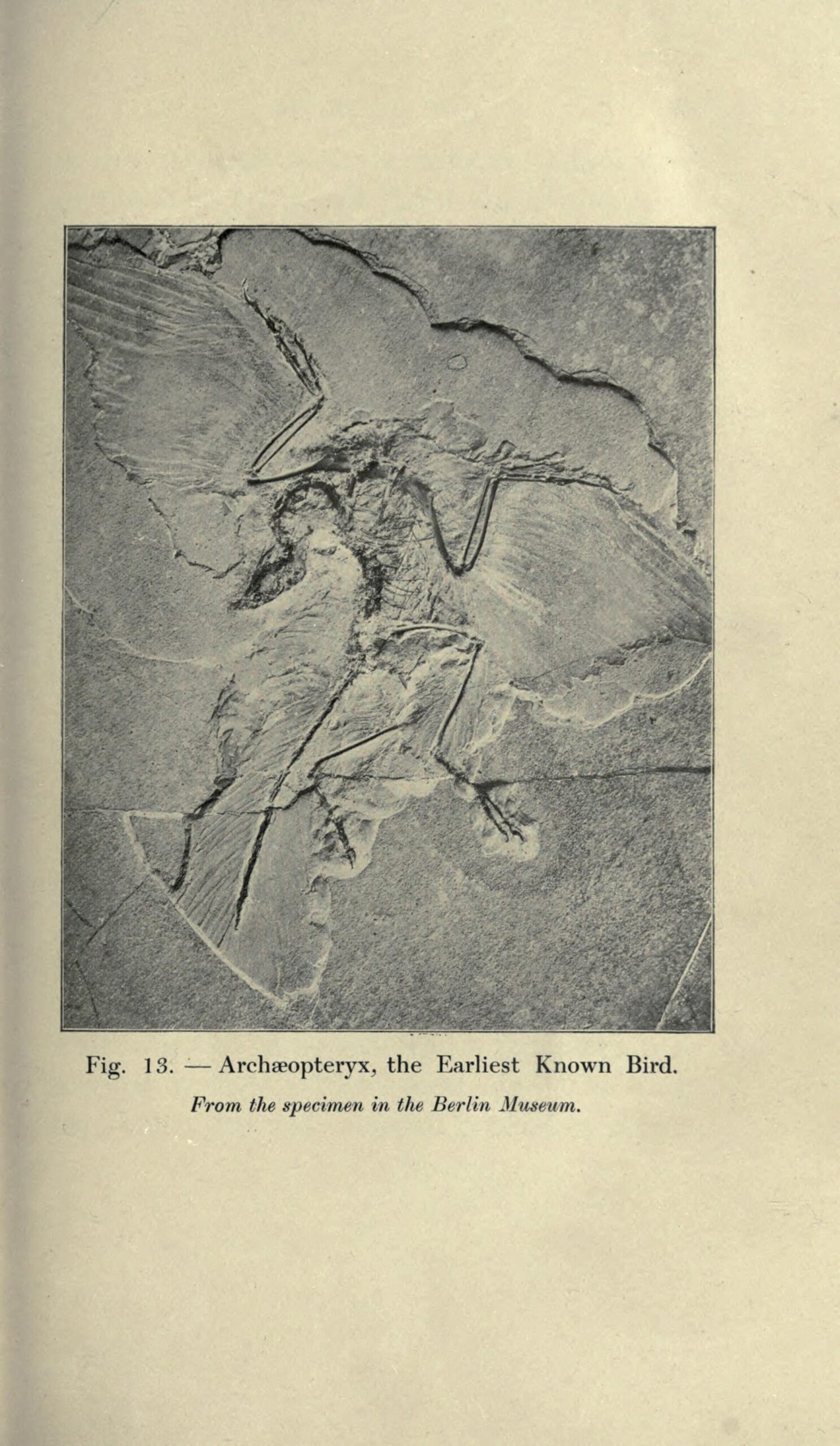
약 1억 5,000만 년 전 쥐라기 후기, 따뜻한 아열대 기후가 펼쳐진 해안가 나뭇가지 위에 이상하게 생긴 생물 한 마리가 앉아 있습니다 [3][6]. 날개에는 선명한 비행 깃털이 정교하게 돋아나 있지만, 주둥이를 벌리자 뾰족한 이빨이 드러나고 엉덩이 뒤로는 길고 딱딱한 뼈 꼬리가 드리워져 있습니다 [1][3]. 이 생물은 과연 날개를 단 공룡일까요, 아니면 이빨을 가진 고대의 새일까요? [1][3]
생물학 분류상 동물계(Animalia), 척삭동물문(Chordata), 조류강(Aves), 시조새과(Archaeopterygidae), 시조새속(Archaeopteryx)에 속하는 시조새(학명: Archaeopteryx lithographica)는 바로 이 질문의 한가운데 서 있는 대표적인 생물입니다. 오랫동안 “새의 직계 조상”으로 널리 알려졌던 이 화석 속 진실을 과학 탐정의 시선으로 하나씩 검증해 보겠습니다 [1][7].
쥐라기 석회암에 새겨진 깃털 하나, 오해의 시작인가?
시조새 화석이 처음 발견된 장소는 오늘날 독일 바이에른주에 위치한 솔른호펜 석회암층(Solnhofen Limestone Formation)입니다 [3][6]. 쥐라기 후기 당시 이 지역은 테티스해 연안의 아열대 건조 군도였으며, 바닷물이 잘 순환되지 않는 고염도 해구 환경이 형성되어 있었습니다 [3][6].
이 고염도 해구의 하층수는 산소가 매우 부족한 상태였습니다 [3][6]. 생명체가 죽어 바닥으로 떨어진 뒤 포식자에게 훼손되거나 부패할 위험이 적었고, 그 덕분에 깃털 같은 정교한 연조직까지 미세하게 보존되는 특별한 화석 매장지(라거슈테테, Lagerstätte)가 만들어졌습니다 [3][6].
그런데 시조새 연구 역사에는 오랫동안 풀리지 않은 논쟁이 하나 존재합니다. 1860년과 1861년에 걸쳐 최초로 보고된 단일 깃털 화석이 과연 진짜 시조새의 것인가 하는 점입니다 [1][2]. 이 깃털은 동일한 솔른호펜 석회암층에서 발견되었고 지질학적 시기도 일치하지만, 골격 화석과 직접 연결되어 있지 않습니다 [1][2]. 이 때문에 일부 연구자들은 이 깃털이 시조새가 아닌 다른 미확인 수각류 공룡의 것일 가능성을 제기하며, 그 계통학적 분류에 대해 여전히 견해 차이를 보이고 있습니다 [1][2].
공룡인가 새인가? 골격이 증언하는 모자이크 진화
시조새에 대해 가장 널리 퍼진 오해 중 하나는 이 생물이 “현대 조류로 직접 이어지는 직계 조상”이라는 생각입니다 [1][7]. 그러나 계통 분류학적 분석 결과, 시조새는 현대 조류로 곧장 연결되는 직계 조상이 아니라 공룡에서 조류로 갈라진 초기 측통 계통(Stem-Avialae)에 해당합니다 [1][7]. 즉, 새의 직계 부모라기보다는 진화의 가지에서 일찍 갈라져 나온 친척에 가깝습니다 [1][7].
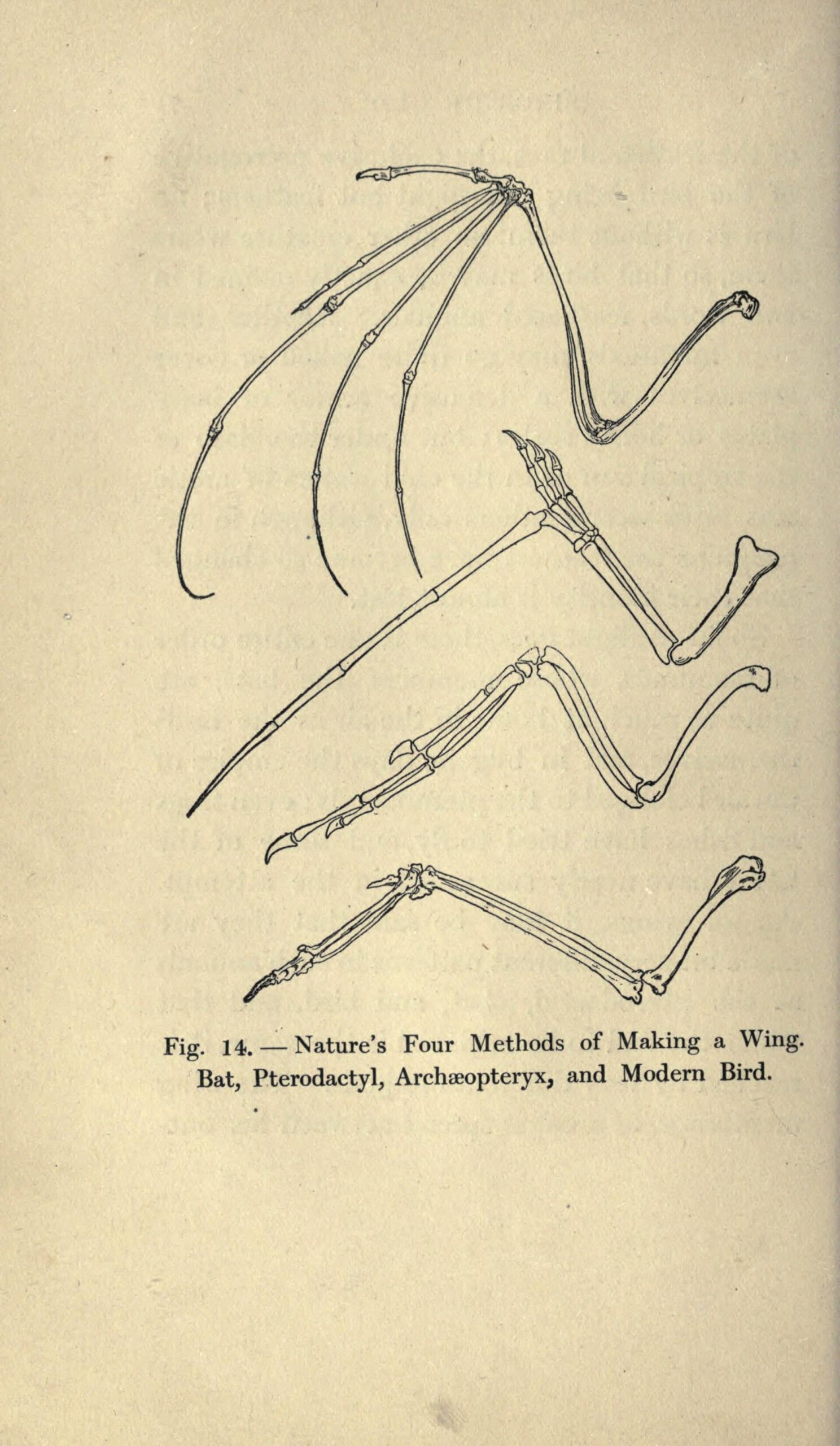
시조새의 골격은 서로 다른 진화 단계의 특징이 한 몸에 섞여 나타나는 ‘모자이크 진화(mosaic evolution)’의 전형적인 모습을 보여줍니다 [1][3]. 해부학적 구조를 세부적으로 뜯어보면 공룡과 새의 특징이 선명하게 대비됩니다 [1][3].
- 비조류 수각류 공룡의 특징: 날카로운 이빨, 긴 뼈 꼬리, 날개 끝에 남은 손가락 갈고리톱 [1][3].
- 조류의 특징: 공기의 흐름을 제어하는 비대칭 비행 깃털, 양쪽 빗장뼈가 합쳐진 V자 형태의 차골(wishbone) [1][3].
첨단 장비를 활용한 연구는 이 생물의 머리 부분에서도 놀라운 사실을 밝혀냈습니다. 자외선(UV) 및 컴퓨터 단층촬영(CT) 스캔 분석 결과, 시조새는 머리뼈 조각들이 유연하게 움직이는 초기 조류 형태의 두개골 운동성(skull kinesis)과 가동성 혀를 가지고 있었으며, 주둥이 끝에는 감각 기관의 흔적이 남아 있었습니다 [1][4].
심지어 깃털의 색상 패턴까지 밝혀졌습니다. 전자현미경과 X선 분석을 통해 깃털 끝 부분에서 검은색 멜라노솜(melanosome, 색소 입자) 흔적과 깃털 구조를 보강하는 구리 성분이 발견되었습니다 [1][4]. 이로써 시조새는 전체적으로 흑백 대비 패턴을 가진 깃털을 지녔음이 확인되었습니다 [1][4].
펄럭이며 날아올랐을까? 고해상도 기술이 밝혀낸 비행의 진실
날개와 깃털이 존재한다고 해서 무조건 자유롭게 날 수 있는 것은 아닙니다. 오랫동안 학계에서는 시조새가 높은 곳에서 떨어지며 바람을 타는 단순 활강만 가능했을 것이라는 의구심이 있었습니다 [1][4].
그러나 최근 표본을 대상으로 진행된 고해상도 CT 분석은 이러한 의구심을 뒤집었습니다 [1][4]. 시조새의 날개 골격과 깃털 구조를 정밀 관찰한 결과, 몸통과 날개를 연결해 주는 삼차 깃털(tertials)의 존재가 명확히 확인되었습니다 [1][4].
또한 강력한 뒷다리 근육을 이용해 지면이나 나뭇가지에서 튀어 오르는 점프 이륙 메커니즘을 갖추고 있었습니다 [1][4]. 이를 바탕으로 과학자들은 시조새가 단순한 활강에 그치지 않고 날개를 펄럭여 짧은 거리를 강력하게 이동하는 ‘구동력 비행(burst-powered flapping flight)’이 가능했다고 결론지었습니다 [1][4].
느리게 자라는데 날 수 있다고? 신진대사 오해 바로잡기
흔히 비행 능력을 갖추기 위해서는 현대 조류처럼 신진대사가 극도로 빠르고 뼈가 수개월 만에 폭발적으로 성장해야 한다고 생각하기 쉽습니다 [1][5]. 공중을 날아다니는 데 필요한 막대한 에너지를 감당하려면 이러한 고속 성장이 필수적이라는 추정이 오랜 상식처럼 통용되어 왔습니다 [1][5].
그러나 시조새의 뼈 내부 구조를 조사한 골 조직학 분석 결과는 전혀 다른 사실을 말해줍니다 [1][5]. 시조새는 수개월 안에 성체가 되는 현대 조류와 달리, 비조류 수각류 공룡처럼 수년에 걸쳐 느리게 자라는 유년기 성장 패턴을 유지하고 있었습니다 [1][5].
여기서 우리는 매우 중요한 과학적 시사점을 얻을 수 있습니다. 뼈 조직학 분석으로 확인된 ‘공룡 특유의 느린 성장 속도’ [1][5]와 CT 스캔 연구로 밝혀진 ‘능동적인 구동력 비행 능력’ [1][4]을 결합해 보면, 조류 진화의 순서에 관한 기존 관념이 뒤바뀝니다 [1][5]. 즉, 생물체는 현대 조류 수준의 급격한 신진대사 및 고속 성장 시스템을 먼저 진화시킨 뒤 날게 된 것이 아니라, 느린 공룡형 성장을 유지하는 상태에서 능동적인 동력 비행 능력을 먼저 확보했던 것입니다 [1][5].
14개의 화석 표본과 사라진 둥지의 미스터리
현재까지 솔른호펜 석회암층 일대에서 발견되어 시조새 연구에 사용된 표본은 총 14개에 달합니다 [1][4]. 그런데 이 표본들을 조사하던 연구자들 사이에서 또 다른 뜨거운 논쟁이 벌어졌습니다 [1][4].
발견된 표본들 사이에 골격 크기와 세부 해부학적 구조에서 명확한 차이가 관찰되었기 때문입니다 [1][4]. 이에 대해 한쪽에서는 이것이 개체가 자라면서 나타나는 개체발생(ontogeny, 성장 과정)에 따른 차이라고 주장합니다 [1][4]. 반면 다른 쪽에서는 이들이 단일 종이 아니라 시조새 시멘시(Archaeopteryx siemensii), 시조새 알베르스되르페리(Archaeopteryx albersdoerferi), 혹은 웰른호페리아(Wellnhoferia)와 같은 별개의 종이나 속으로 분류되어야 한다고 맞서고 있습니다 [1][4].
게다가 시조새에 관한 연구에는 여전히 명확한 한계가 존재합니다. 14개의 골격 표본이 발견되는 동안 시조새의 알이나 둥지 화석은 단 한 번도 직접 발견된 적이 없습니다. 쥐라기 아열대 섬에서 이들이 어떻게 번식하고 새끼를 키웠는지에 대해서는 여전히 화석의 침묵이 이어지고 있는 셈입니다.
진화의 길목에서 만난 파수꾼
다시 1억 5,000만 년 전 쥐라기 후기의 아열대 해안가로 돌아가 봅니다 [3][6]. 깃털을 가다듬던 생물은 강력한 뒷다리로 튀어 올라 흑백의 비대칭 날개를 펄럭이며 공중으로 날아오릅니다 [1][4].
이 생물은 단순한 공룡도, 온전한 현대의 새도 아니었습니다 [1, 3, 7]. 뾰족한 이빨과 길다란 뼈 꼬리를 지닌 채 공룡의 느린 성장을 이어가면서도, 공중을 가르는 비행의 시대를 먼저 열어젖힌 특별한 존재였습니다 [1, 3, 4, 5]. 현대 조류의 직계 조상은 아닐지라도, 시조새(Archaeopteryx lithographica)가 남긴 14개의 화석은 진화가 단순한 일직선이 아니라 다양하고 경이로운 시도의 연속이었음을 증언해 주는 가장 아름다운 퍼즐 조각입니다 [1, 4, 7].
대표 이미지 출처
사진: From a variety of images credited above. · Wikimedia Commons · CC BY 4.0 · 원본 파일
자료와 편집 원칙
이 글은 공개된 학술·기관 자료를 바탕으로 작성되었으며, 주요 사실은 아래 참고자료에서 확인할 수 있습니다. 편집 및 팩트체크 정책과 AI 활용 정책을 공개하고 있습니다. 오류 제보: kjhtime@gmail.com
참고자료
- britannica.com — www.britannica.com, 확인일 2026-09-24
- earthmagazine.org — www.earthmagazine.org, 확인일 2026-09-24
- columbia.edu — rainbow.ldeo.columbia.edu, 확인일 2026-09-24
- researchgate.net — www.researchgate.net, 확인일 2026-09-24
- dokumen.pub — dokumen.pub, 확인일 2026-09-24
- iugs-geoheritage.org — iugs-geoheritage.org, 확인일 2026-09-24
- gwu.edu — www2.gwu.edu, 확인일 2026-09-24