
Imagine uncovering a delicate slab of 150-million-year-old limestone and coming face-to-face with an evolutionary contradiction. On one hand, you see sharp teeth set in jaws, a long bony tail, and three distinct clawed fingers branching from the wings. On the other hand, you find fine asymmetrical flight feathers and a sturdy fused collarbone. Is this animal a dinosaur trying to fly, or a bird clinging to its reptilian past? For over a century, Archaeopteryx lithographica has stood at the center of this evolutionary cold case, inviting scientists to test popular assumptions against hard fossil evidence.
A Mosaic in Stone: Dinosaur or Bird?
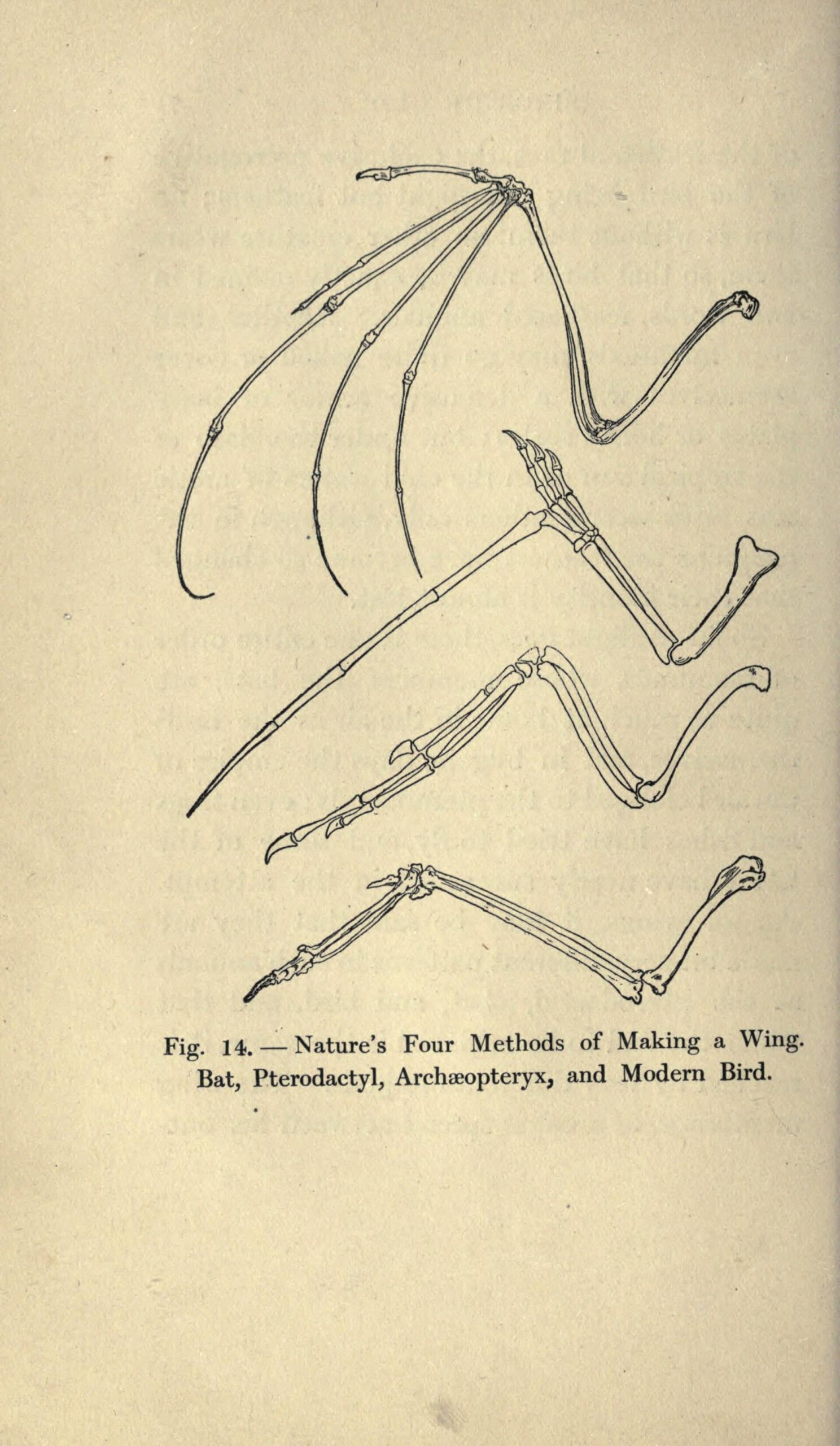
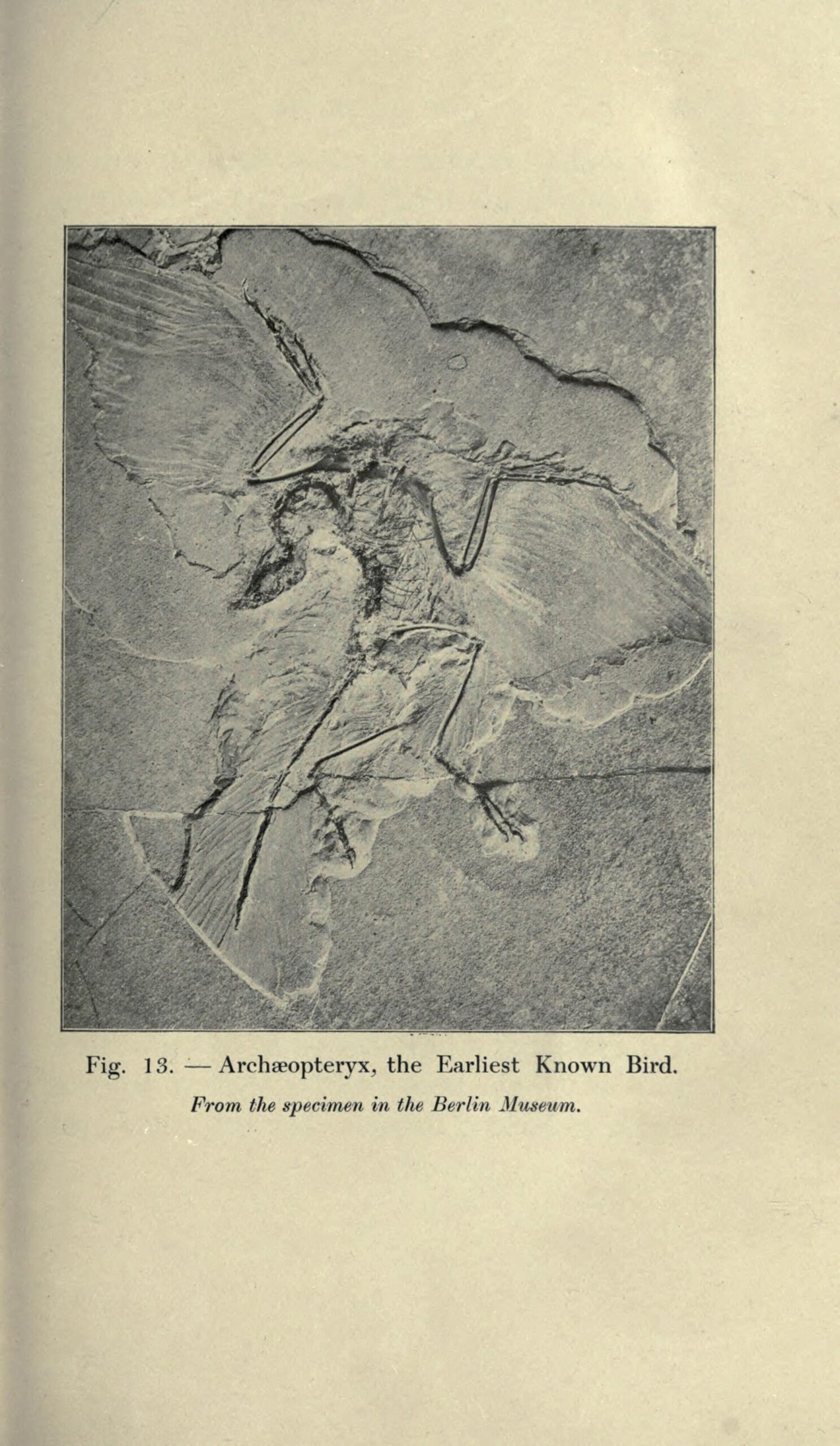
When paleontologists examine Archaeopteryx lithographica, they do not see a uniform creature that fits cleanly into modern classification boxes [1]. Instead, its skeleton reveals a piecemeal evolutionary assembly where different physical traits changed at different rates—a phenomenon known as mosaic evolution [1], [3].
The dinosaurian side of Archaeopteryx is striking. It possessed jaws lined with sharp teeth, a long bony tail stretching behind its pelvis, and free clawed fingers extending from its wing bones [1], [3]. Yet alongside these reptilian structures rest unmistakably avian features: asymmetrical flight feathers engineered for aerodynamic lift and a V-shaped fused collarbone, commonly called a wishbone [1], [3].
The Solnhofen Cold Case: Preserved in Hypersaline Lagoons
How did such delicate details, from fragile wing structures to fine feather vanes, survive intact for 150 million years? The answer lies in the ancient landscape of the Solnhofen Limestone Formation in present-day Bavaria, Germany [3], [6]. During the Late Jurassic period, this region was a subtropical, arid archipelago situated along the coastal fringes of the Tethys Sea [3], [6].
The creature inhabited environments surrounding stagnant, highly salty lagoons [3], [6]. The lower layer of water in these isolated basins suffered from hypersalinity and extreme oxygen depletion, creating lethal conditions for scavengers and decay-causing bacteria [3], [6]. When an Archaeopteryx carcass sank to the lagoon floor, its body lay undisturbed in soft carbonate mud, transforming the site into a world-famous rare fossil deposit with exceptional soft-tissue preservation, known as a Lagerstätte [3], [6].
Cracking the Myth: Direct Ancestor or Evolutionary Offshoot?
A long-standing popular claim suggests that Archaeopteryx sits as the direct, linear ancestor of every bird flying today. However, rigorous anatomical and phylogenetic studies tell a more nuanced story [1], [7]. Archaeopteryx is not the direct forefather to living birds, but rather an early side branch on the bird stem line, classified within Stem-Avialae [1], [7].
This distinction reshapes how evolutionary history is understood. Instead of a single straight line leading from theropod dinosaurs directly to modern birds, Archaeopteryx represents an early offshoot of avian architecture [1], [7]. Scientists also continue to debate the exact classification of the 14 known fossil skeletons discovered over the decades [1], [4]. While some researchers suggest that variations in skeletal size and fine anatomy mark distinct species or genera—such as Archaeopteryx siemensii, Archaeopteryx albersdoerferi, or Wellnhoferia—others argue that these differences simply reflect developmental changes across different age stages, a process called ontogeny [1], [4].
The Flight Dynamics Detective: Glider or Powered Flapper?
For decades, researchers questioned whether Archaeopteryx could fly actively or if it was restricted to sliding gently between trees. Recent high-resolution CT scans of key specimens have provided clearer answers regarding its aerial abilities [1], [4]. The scans revealed the presence of specialized inner wing feathers that link the wing directly to the torso—known as tertials—alongside anatomical evidence supporting a strong hindlimb jump takeoff mechanism [1], [4].
These features demonstrate that Archaeopteryx was capable of more than simple passive gliding; it was equipped for short burst-powered flapping flight [1], [4]. This finding directly challenges another widespread misconception: the belief that active flight required the rapid bone growth and rapid metabolism seen in living birds [1], [5].
By examining microscopic bone tissue structure—a field known as bone histology—scientists made a surprising discovery [1], [5]. Unlike modern birds, which mature rapidly within a matter of months, Archaeopteryx exhibited a slow, multi-year growth pattern identical to non-avian theropod dinosaurs [1], [5]. Connecting these discoveries provides a key insight into avian evolution: Archaeopteryx proves that the physical mechanics of powered flapping flight evolved earlier in deep time than the rapid growth rates that define modern birds [1], [5]. Active flight, in short, was achieved before fast avian metabolism developed.
Clues in Black, White, and Skull Anatomy
Beyond wing mechanics, advanced micro-imaging techniques have unveiled physical details once thought lost to time. High-magnification electron microscopy and X-ray analysis of feather impression samples revealed microscopic pigment-bearing structures called melanosomes located near the feather tips [1], [4]. These melanosomes contained black pigment residues, accompanied by elevated trace levels of copper that helped reinforce the feather vane structure [1], [4].
These chemical signatures indicate that Archaeopteryx displayed a distinctive black-and-white contrasting plumage pattern [1], [4]. Meanwhile, ultraviolet light imaging and high-resolution CT scanning of its skull revealed sophisticated cranial traits, including flexible skull bones, a mobile tongue, and sensory organ traces at the tip of its snout [1], [4].
Despite these findings, notable scientific gaps remain. No preserved nests or egg fossils belonging to Archaeopteryx have ever been discovered in the geological record [1]. Furthermore, debate persists regarding the very first specimen found in 1860 or 1861—an isolated single feather [1], [2]. Although recovered from the same Solnhofen limestone beds, it lacks direct connection to any skeletal remains, leading some researchers to question whether it belongs to Archaeopteryx or to an unidentified theropod dinosaur inhabiting the same Jurassic islands [1], [2].
Conclusion
When re-examining that 150-million-year-old cold case in stone, Archaeopteryx lithographica no longer appears as a baffling anatomical mismatch, but as a critical landmark in evolutionary history. It refutes the myth of direct linear descent and proves that powered flapping flight took off long before rapid avian growth rates developed. Resting among the ancient lagoons of Jurassic Europe, this creature—with its toothy jaw, clawed wings, and black-tipped flight feathers—remains compelling evidence that nature builds its grand transformations piece by piece.
Featured image credit
Image: From a variety of images credited above. · Wikimedia Commons · CC BY 4.0 · original file
Sources and editorial policy
This feature is based on publicly available scientific and institutional sources listed below. Read our editorial and fact-checking policy and AI use policy. Report a correction: kjhtime@gmail.com
References
- britannica.com — www.britannica.com, accessed 2026-09-24
- earthmagazine.org — www.earthmagazine.org, accessed 2026-09-24
- columbia.edu — rainbow.ldeo.columbia.edu, accessed 2026-09-24
- researchgate.net — www.researchgate.net, accessed 2026-09-24
- dokumen.pub — dokumen.pub, accessed 2026-09-24
- iugs-geoheritage.org — iugs-geoheritage.org, accessed 2026-09-24
- gwu.edu — www2.gwu.edu, accessed 2026-09-24