햇빛이 단 한 조각도 도달하지 못하는 수심 1,500m에서 3,000m의 아득한 심해 속을 상상해 보세요. 동태평양 해령과 갈라파고스 열곡, 칼리포니아만 게이마스 분지의 바닥은 차가운 정적과 끝없는 어둠만이 지배하는 생명의 금기 구역입니다 [1], [3], [4]. 하지만 이 칠흑 같은 바닷속 틈새에서 뿜어져 나오는 유황 연기 사이로, 거짓말처럼 붉은 꽃밭이 펼쳐집니다.
이 기묘한 생명 집단의 주인공은 바로 환형동물문 다모강에 속하는 심해 열수분출구 튜브벌레(Riftia pachyptila)입니다 [1]. 생물학 분류 체계상 세벨라목(Sabellida) 시보글리누스과(Siboglinidae) 리프티아속(Riftia)으로 분류되는 이 동물은, 지구상에 존재하는 생명체의 생존 상식을 완전히 뒤흔드는 생리적 특성을 가지고 있습니다 [1].
섭씨 300도의 불기둥? 오해 속 진짜 서식지의 비밀
심해 열수분출구 주변을 다룬 다큐멘터리를 보다 보면 “튜브벌레가 섭씨 300도가 넘는 뜨거운 열수 속에서 직접 살아간다”는 오해를 하기 쉽습니다. 분출구 입구에서 뿜어져 나오는 열수의 온도가 실제로 300도를 넘어서는 것은 사실입니다 [3], [4]. 그러나 이 열수에 직접 몸을 내맡긴다면 어떤 복잡한 유기체도 견뎌낼 수 없습니다.
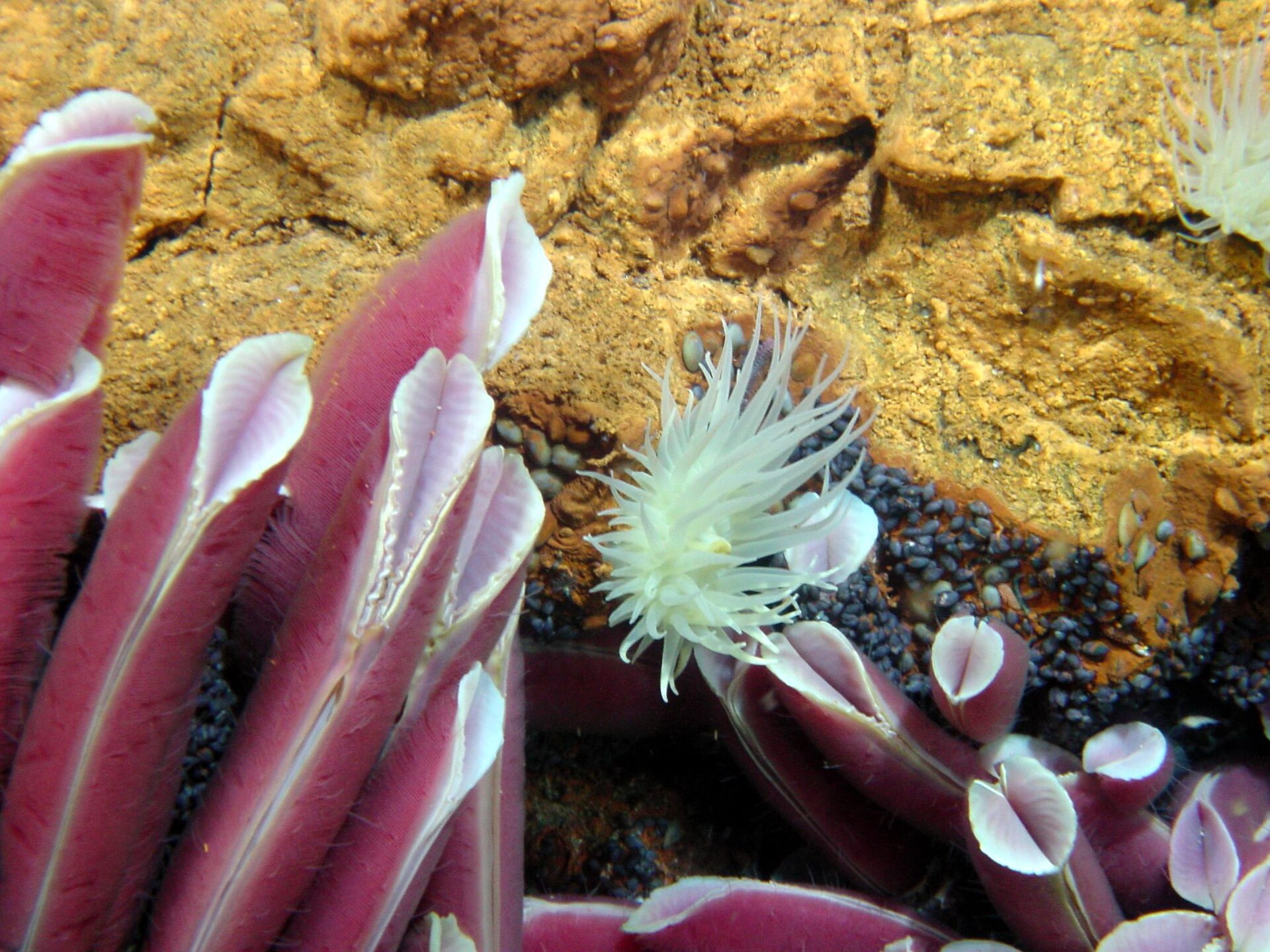
실제 튜브벌레들이 터전을 잡는 곳은 열수분출구의 바로 한가운데가 아닙니다 [3], [4]. 이들은 분출구에서 터져 나오는 뜨거운 열수와 심해의 차가운 바닷물이 맹렬하게 섞여 드는 혼합 구역에 자리를 잡습니다 [3], [4]. 차가운 심해수는 약 섭씨 2도에 불과하며, 이것이 열수와 섞이면서 형성되는 섭씨 2도에서 30도 사이의 구역이 바로 튜브벌레가 단단히 뿌리를 내리고 군집을 이루는 진짜 보금자리입니다 [3], [4].
입도, 위도, 항문도 없다? 먹는 행위를 거부한 몸
지구상에 존재하는 수많은 동물의 공통적인 일상은 먹이를 찾고, 입으로 섭취하며, 소화기관을 거쳐 배설하는 과정의 연속입니다. 그러나 다 자란 성체 심해 열수분출구 튜브벌레의 몸 안을 들여다보면 충격적인 사실을 목격하게 됩니다. 이들의 몸에는 입도, 위나 장 같은 소화관도, 심지어 노폐물을 배출할 항문조차 완전히 사라져 있기 때문입니다 [1], [3], [4].
입과 항문이 없다는 것은 고형 먹이를 전혀 섭취하지 않고, 고체 배설물 역시 전혀 배출하지 않는다는 뜻입니다 [1], [3], [4]. 그렇다면 이들은 어떻게 자라고 생명을 유지하는 걸까요? 항간에는 “튜브벌레가 공생 세균을 입으로 삼켜서 소화시킨다”는 소문이 돌기도 하지만 이는 사실이 아닙니다 [1], [2]. 성체는 세균을 삼킬 입 자체가 없기 때문입니다 [1], [3], [4].
비밀은 이들의 어린 시절인 유충 시기에 숨어 있습니다. 알에서 깨어난 부유성 담륜자 유충 시기에는 일시적으로 입과 소화관이 존재합니다 [1], [2]. 유충이 바다를 떠돌다 심해 열수 구역에 도달하면, 주변 환경에 있던 공생 세균이 피부 표피를 통해 체내로 감염되듯 침투해 정착합니다 [1], [2]. 공생 세균이 체내에 자리를 잡는 순간, 튜브벌레의 소화관은 자신의 임무를 다했다는 듯 완전히 퇴화하여 소멸해 버립니다 [1], [2].
독성 물질을 혈액으로 날라 만드는 치명적 에너지
소화기관을 모두 버린 튜브벌레가 선택한 생존 전략은 체내 영양체(trophosome)라는 특수한 기관에 서식하는 공생 세균(Candidatus Endoriftia persephone)에 영양 공급을 완전히 맡기는 것입니다 [1], [2], [5]. 식물이 햇빛을 이용해 광합성을 하듯, 영양체 내부의 공생 세균은 심해의 화학물질을 이용해 유기물을 만들어내는 화학합성을 수행합니다 [1], [2], [5].
이 공생 세균은 열수에서 분출되는 황화수소를 산화시켜 무기 탄소를 유기물로 고정하고, 이를 튜브벌레에게 에너지원으로 공급합니다 [1], [2], [5]. 여기서 한 가지 커다란 생물학적 모순이 발생합니다. 황화수소는 일반적인 동물의 세포 호흡을 막아 생명을 위협하는 치명적인 독성 물질이라는 점입니다. 독극물을 체내 깊숙한 영양체까지 운반하면서도 튜브벌레 자신은 어떻게 중독되지 않는 걸까요?
이 문제를 해결하기 위해 튜브벌레는 놀라운 혈액 특성을 진화시켰습니다. 튜브벌레의 혈액 속에는 멀티 서브유닛 구조를 가진 특수한 세포외 헤모글로빈이 존재합니다 [2], [5]. 이 헤모글로빈은 산소와 황화수소를 서로 다른 결합 부위에 동시에 안전하게 결합시킬 수 있습니다 [2], [5]. 독성 물질인 황화수소를 세포 독성이 일어나지 않도록 결합시킨 채 산소와 함께 영양체로 운반하는 특수 수송 시스템을 갖춘 것입니다 [2], [5].
이 대목에서 두 가지 검증된 사실을 연결해 보면 심해 열수분출구 튜브벌레가 가진 생태적 중요성이 더욱 명확해집니다. 입과 항문이 퇴화한 해부학적 특성[1], [3], [4]과, 독성 물질인 황화수소를 산소와 동시에 운반하는 특수 헤모글로빈 체계[2], [5]는 별개의 사실이 아니라 하나의 완벽한 생존 시스템으로 결합해 있습니다. 독극물을 안전하게 전달하는 수송망을 완성했기에 소화기관을 유지하는 데 들어가는 막대한 에너지를 과감히 포기하고, 오직 화학합성 물질을 수용하는 형태의 독특한 생체 구조를 유지할 수 있었던 것입니다.
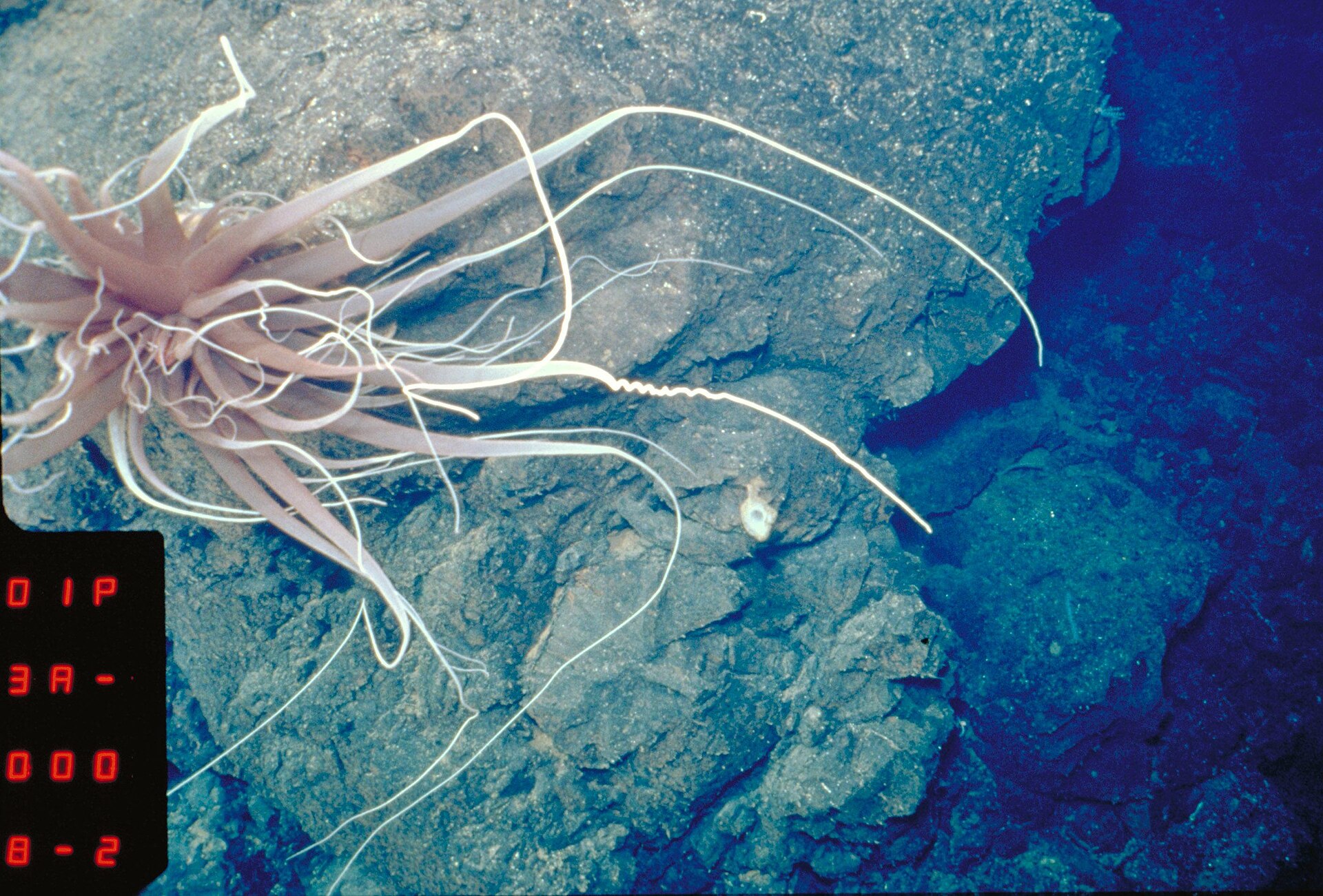
폭발적인 성장과 붉은 깃털의 순간 수축
에너지 효율을 극대화한 이 시스템 덕분에 튜브벌레는 해양 무척추동물 중에서도 손에 꼽힐 만큼 눈부신 성장 속도를 보여줍니다 [3], [4]. 최적의 열수 유동 조건이 갖춰진 환경이라면, 튜브벌레는 2년도 채 되지 않는 짧은 기간 동안 몸길이가 최대 1.5m까지 자라날 수 있습니다 [3], [4]. 햇빛 없는 암흑 속에서 오직 세균의 화학합성에 의존해 만들어낸 성장이라기엔 믿기 힘들 만큼 폭발적입니다.
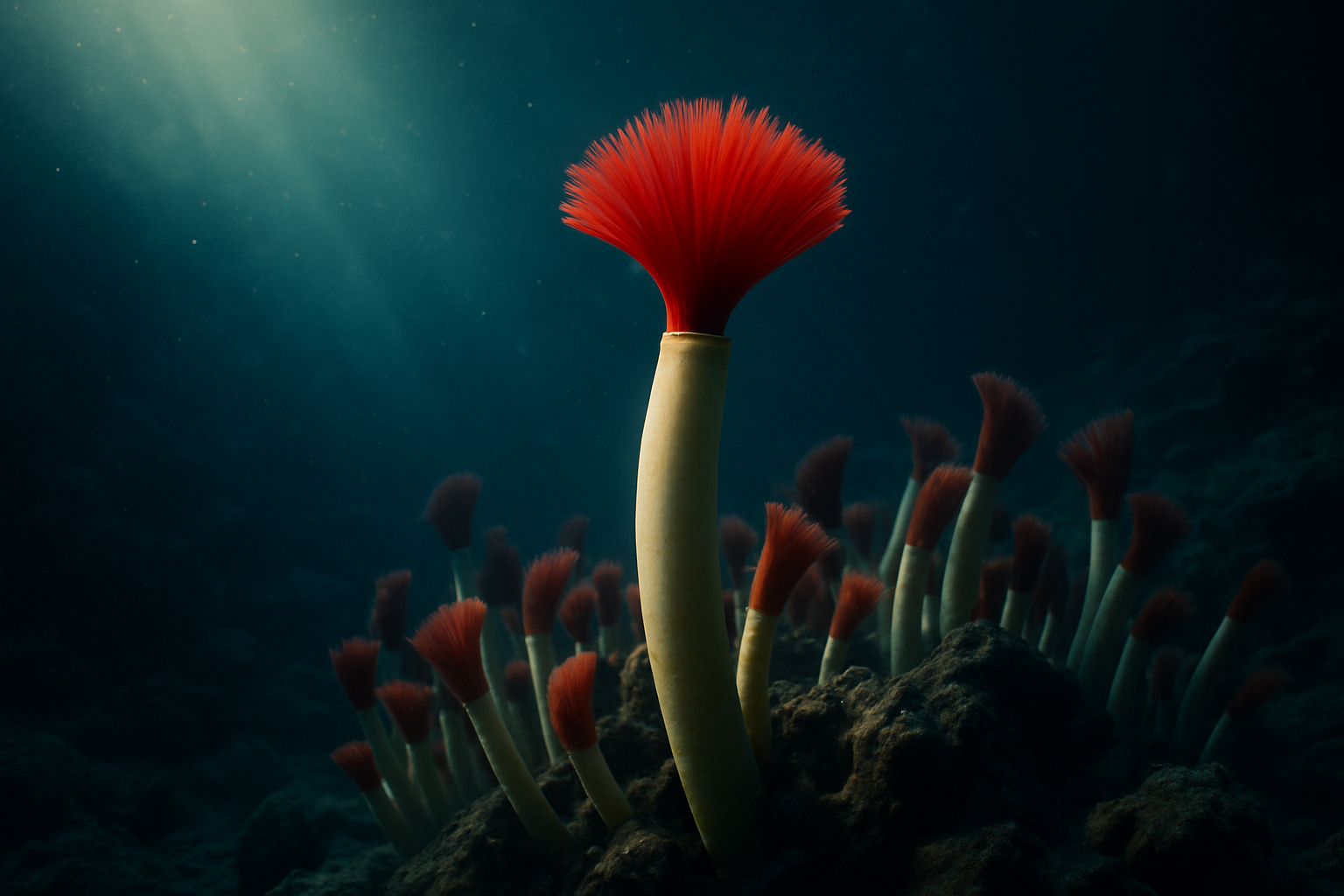
튜브벌레의 외형에서 가장 눈에 띄는 부분은 관 위로 붉게 피어오른 깃털 모양의 깃(Plume)입니다 [1], [3], [4]. 이 깃이 선명한 붉은색을 띠는 이유는 황화수소와 산소를 가득 실은 혈액이 매우 풍부하게 흐르고 있기 때문입니다 [1], [2], [5]. 깃은 해수 중에 녹아 있는 화학물질과 산소를 흡수하는 일종의 가스 교환 창구 역할을 합니다 [1], [2], [5].
하지만 풍부한 혈류가 흐르는 소프트 티슈 형태의 깃은 포식자의 공격에 취약할 수밖에 없습니다. 이에 대비해 튜브벌레는 뛰어난 방어 행동을 갖추고 있습니다. 포식자의 접근이나 기계적인 자극이 감지되면, 외부로 늘어뜨렸던 붉은 깃을 자신이 분비해 만든 단단한 키틴질 관 내부로 순식간에 수축시켜 몸을 숨깁니다 [1], [3], [4]. 단단한 키틴 관은 심해의 위험으로부터 부드러운 몸을 지켜주는 든든한 갑옷인 셈입니다 [1], [3], [4].
숙주가 죽으면 공생 세균은 어디로 향할까?
모든 생명이 그러하듯 튜브벌레 역시 삶의 끝을 맞이합니다. 그렇다면 숙주의 몸 안에서 평생 유기물을 만들어주던 공생 세균들은 숙주가 죽었을 때 함께 사멸할까요, 아니면 세상 밖으로 탈출할까요? 이는 학계에서 오랫동안 논의되어 온 주제입니다 [2], [5].
과거에는 공생 세균이 숙주 내부에서만 생존할 수 있으며 숙주의 죽음과 함께 사멸하는 종속적 관계라는 견해가 지배적이었습니다 [2], [5]. 그러나 고압 환경을 모사한 최근의 실험 연구에 따르면, 숙주인 튜브벌레가 죽고 사체가 부패하는 과정에서 살아있는 공생 세균들이 외부 환경으로 방출되어 해수 속에 세균 풀(pool)을 형성한다는 사실이 확인되었습니다 [2], [5].
이 방출된 세균들이 자연 상태의 넓은 심해에서 정확히 어떤 경로로 이동하고 얼마나 오랫동안 독립적으로 생존하여 다음 유충을 감염시키는지에 대해서는 정량적 전파 경로에 대한 연구가 여전히 진행 중입니다 [2], [5]. 완전히 베일을 벗지는 않았지만, 숙주의 죽음이 새로운 공생의 시작으로 이어질 수 있음을 시사하는 흥미로운 연구 결과입니다.
생명의 상식을 묻는 심해의 경이
국제자연보전연맹(IUCN)의 적색목록에서 아직 평가 미증종(Not Evaluated, NE)으로 분류되어 있는 심해 열수분출구 튜브벌레는 우리에게 생명이란 무엇인가에 대한 근본적인 질문을 던집니다 [1]. 광합성에 의존하는 지상의 생명관으로는 입도, 위도, 항문도 없이 독성 가스를 마시며 살아가는 이들의 존재를 설명하기 어렵기 때문입니다.
어둡고 차가운 수심 2,500m의 심해 바닥, 섭씨 2도의 차가운 바닷물과 뜨거운 열수가 격렬히 섞이는 그 좁은 경계선에서 튜브벌레는 오늘도 붉은 깃털을 수줍게 내밀고 있습니다 [3], [4]. 포식자의 그림자가 비치면 단단한 키틴관 속으로 깃을 순식간에 숨기면서 말이지요 [1], [3], [4]. 먹고 싸는 지상의 생존 법칙을 과감히 거부하고 세균과의 완벽한 화학적 동행을 선택한 심해 열수분출구 튜브벌레. 이들은 태양이 닿지 않는 지구의 가장 깊은 곳에서도 생명이 얼마나 독창적인 방식으로 번성할 수 있는지를 증명하는 극적인 생존자입니다 [1], [2], [3], [4].
대표 이미지 출처
TaxonGuru 제작 · AI 기반 대표 설명용 재현 이미지 · 실제 관찰 사진 아님 · 생성일 2026-09-19
자료와 편집 원칙
이 글은 공개된 학술·기관 자료를 바탕으로 작성되었으며, 주요 사실은 아래 참고자료에서 확인할 수 있습니다. 편집 및 팩트체크 정책과 AI 활용 정책을 공개하고 있습니다. 오류 제보: kjhtime@gmail.com
참고자료
- wikipedia.org — en.wikipedia.org, 확인일 2026-09-19
- schmidtocean.org — schmidtocean.org, 확인일 2026-09-19
- deepoceaneducation.org — deepoceaneducation.org, 확인일 2026-09-19
- noaa.gov — repository.library.noaa.gov, 확인일 2026-09-19
- scispace.com — scispace.com, 확인일 2026-09-19