우리가 병원에서 투여받는 주사제와 백신이 어떻게 세균 오염 없이 안전하게 검증되었는지 질문을 던져봅니다. 투명한 유리병 속에 담긴 의약품의 안전성 검사에 핵심적인 역할을 해온 주인공은, 북아메리카의 얕은 모래 해안을 기어 다니는 독특한 형태의 생물입니다 [1][5].
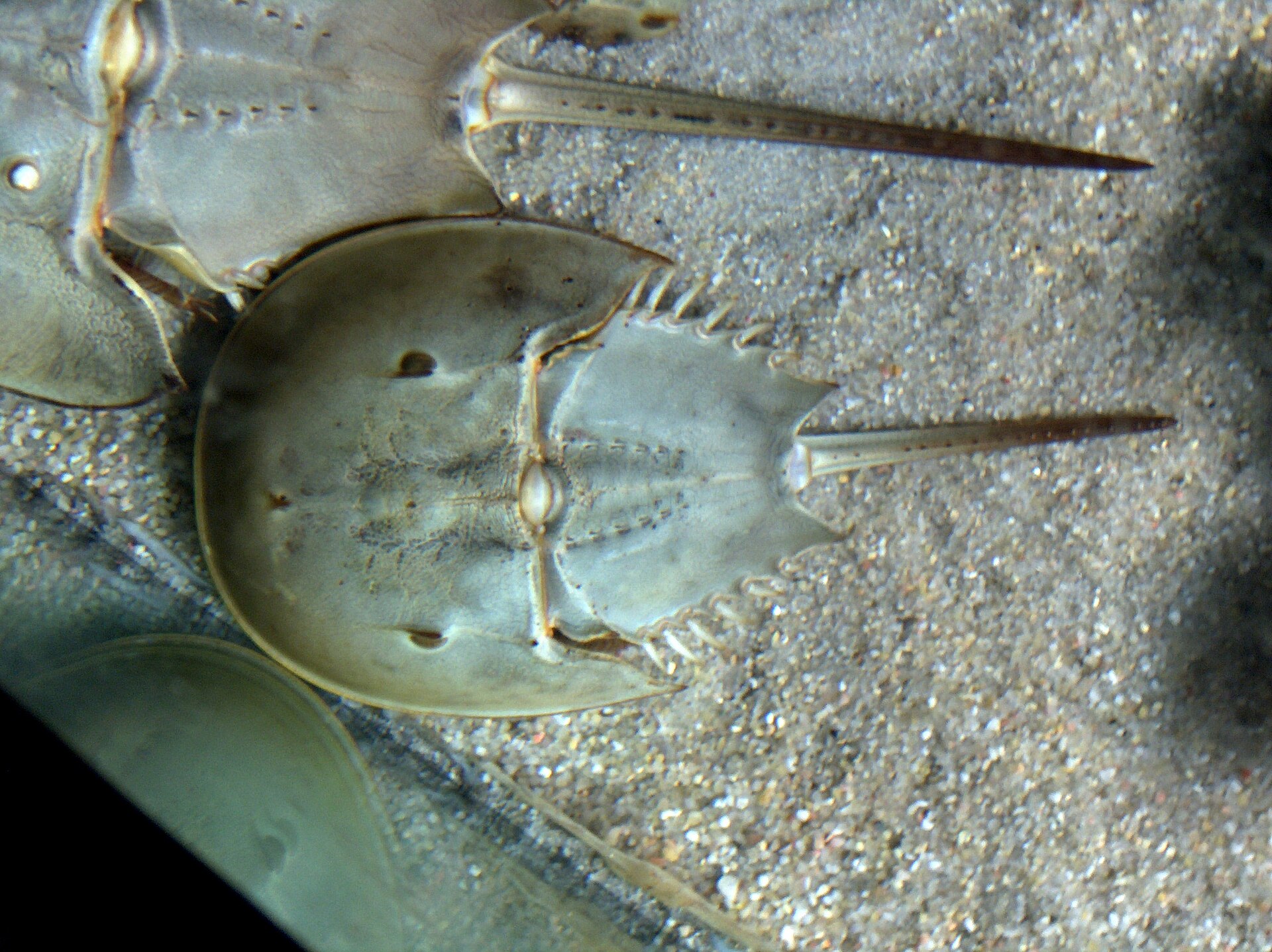
단단한 말굽 모양 껍데기와 길게 뻗은 꼬리를 가진 아메리카투구게(Limulus polyphemus)가 바로 그 주인공입니다 [1]. 약 4억 5천만 년 전 고생대 오르도비스기부터 해부학적 기본 구조를 유지하며 살아온 이 생물은 의학계에서 세균 내독소 검사에 활용되며 ‘푸른 피’를 가진 생물로 널리 알려졌습니다 [1][3][5].
하지만 이 유명한 생명체 뒤에는 잘못 알려진 몇 가지 과학적 오해가 오랫동안 존재해 왔습니다. 이들의 생태와 해부학적 사실을 과학적 증거를 통해 하나씩 살펴봅니다.
첫 번째 오해: 이름은 게인데 진짜 게가 맞을까?
아메리카투구게라는 한국어 명칭과 영문명인 ‘Atlantic horseshoe crab’을 들으면, 흔히 식용으로 접하는 대게나 꽃게 같은 갑각류를 연상하기 쉽습니다 [1]. 외형적으로도 바닥을 기어 다니는 다리와 딱딱한 껍데기를 가지고 있어 게의 일종으로 착각하기 쉽습니다 [1].
그러나 생물학적 분류 체계를 들여다보면 완전히 다른 분류군에 속해 있음을 알 수 있습니다. 아메리카투구게는 동물계 절지동물문(Arthropoda) 협각아문(Chelicerata) 퇴구강(Merostomata) 검미목(Xiphosurida) 투구게과(Limulidae) 투구게속(Limulus)에 속하는 생물입니다 [1][2].
해부학적 및 유전적 구조 분석에 따르면 이들의 진짜 가까운 친척은 바다의 게나 가재 같은 갑각류가 아니라, 땅 위에서 사는 거미나 전갈입니다 [1][2]. 외형상의 유사성과 달리 유전적으로 거미류에 더 가깝다는 사실은 생물의 분류가 외형만으로 결정되지 않는다는 과학적 원리를 보여줍니다 [1][2].
두 번째 오해: 찌르면 위험한 치명적 독침일까?
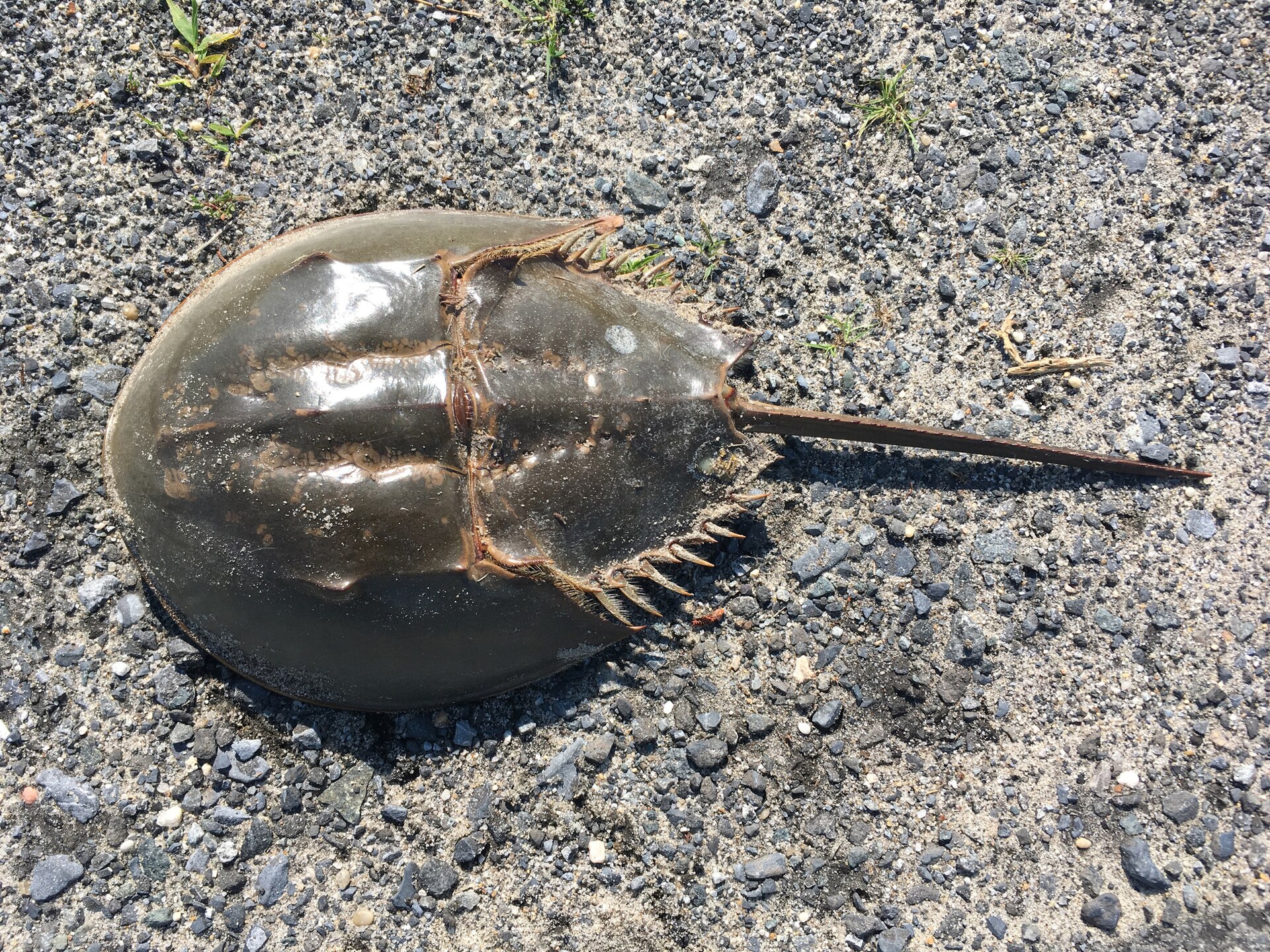
아메리카투구게의 몸 뒤쪽에는 찌를 듯이 길고 뾰족하게 솟아난 꼬리가 자리 잡고 있습니다. 해변에서 이 모습을 본 사람들은 이 꼬리가 포식자를 공격하거나 독을 주입하는 위협적인 무기일 것이라고 생각하곤 합니다 [1][3].
하지만 관찰과 해부학적 연구에 따르면, 이 꼬리에는 어떠한 독성 물질도 없으며 사람이나 포식자를 공격하는 무기 역할을 하지도 않습니다 [1][3]. 이들의 꼬리는 공격용 무기가 아닌 생존을 위한 중요한 지지 기관입니다 [1][3].
이 꼬리(Telson)는 강한 파도에 밀려 몸이 거꾸로 뒤집혔을 때, 바닥을 짚고 몸을 다시 일으켜 세우는 지지대 역할을 합니다 [1][3]. 또한 헤엄을 치는 과정에서 몸의 균형을 잡고 이동 방향을 조절하는 역할을 수행합니다 [1][3].
4억 5천만 년 동안 진화가 완전히 정지되었을까?
아메리카투구게는 약 4억 4천만~4억 5천만 년 전 고생대 오르도비스기 화석 기록까지 소급되는 조상 형태를 지니고 있습니다 [3][4]. 대멸종을 거치면서도 단단한 외껍질이나 서상새 같은 해부학적 기본 틀을 유지해 왔기 때문에 대표적인 ‘살아있는 화석’으로 불립니다 [3][4][7].
이 때문에 오랜 세월 동안 진화를 전혀 거치지 않고 완전히 정지된 상태로 살아왔다는 주장이 나오기도 합니다 [4][7]. 오르도비스기 화석의 외형과 오늘날의 모습을 비교했을 때 극도의 형태적 안정성을 보여주기 때문입니다 [4][7].
하지만 최근의 과학적 연구는 이러한 단정이 오해임을 밝혀냈습니다 [4][7]. 고생대 다리 화석인 디바스테리움(Dibasterium durgae) 연구와 현대 유전체 분석 결과, 이들의 다리 분지 구조에 변화가 나타났으며 면역 및 시각 관련 유전자가 복제되는 내부적 변화가 지속되어 왔음이 확인되었습니다 [4][7]. 즉, 외부 외형은 극히 완만하게 변하며 형태적 안정을 유지했으나, 유전적·미세 구조적으로는 정지하지 않고 환경에 맞추어 끊임없이 진화해 온 것입니다 [4][7].
구리 기반 헤모시아닌과 푸른 피의 비밀
아메리카투구게의 가장 독특한 특징 중 하나는 푸른색을 띠는 혈액입니다. 붉은색 혈액을 가진 척추동물과 달리, 이들의 혈액에는 구리 화합물 기반의 단백질인 헤모시아닌(Hemocyanin)이 포함되어 있습니다 [1][6].
헤모시아닌은 산소와 결합하거나 공기 중에 노출되면 푸른색(하늘색)을 띠는 특성을 가집니다 [1][6]. 구리 단백질을 이용해 체내로 산소를 운반하는 이 시스템은 오래된 해양 절지동물의 대표적인 생리적 구조입니다 [1][6].
혈액의 가치는 색상에만 있는 것이 아닙니다. 혈액 내부에 존재하는 변형세포(Amebocyte)는 병원균으로부터 자신을 보호하는 독특한 면역 반응을 일으킵니다 [5][8]. 변형세포는 그람음성균이 내뿜는 유해한 내독소(엔도톡신)를 감지하는 즉시 굳어지며 응고 반응을 만들어 냅니다 [5][8].
과학자들은 이 성분을 추출하여 의약품과 의료용품의 오염 여부를 측정하는 정밀 시약인 LAL(Limulus amebocyte lysate) 시약을 개발했습니다 [5][8]. 이를 통해 백신이나 주사제의 세균 내독소 오염을 정밀하게 검사할 수 있게 되었습니다 [5][8].
원시 바다의 면역 체계가 현대 의학의 방파제가 되기까지
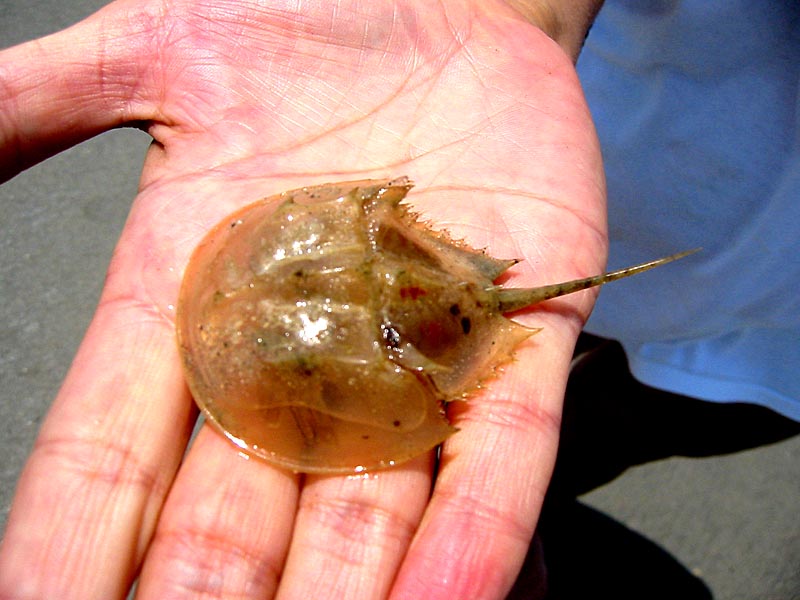
아메리카투구게의 생물학적 유산은 고생대부터 이어져 온 서식 환경과 현대 의학 기술이 결합한 절묘한 사례를 보여줍니다. 오르도비스기 해양 환경에서 미생물 감염에 대응하기 위해 발전한 구리 기반의 헤모시아닌 및 변형세포 체계는 오늘날 인류의 보건 안전을 지키는 핵심 수단으로 작용합니다 [1, 4, 5, 8].
고대 바다에서 개체의 생존을 위해 다듬어진 변형세포의 신속한 응고 반응이 현대 제약 산업의 세균 내독소 검사 체계와 직접 연결된 것입니다 [5][8]. 고대의 생물학적 방어 기작이 시약 제조 기술과 만나 백신과 주사제의 안전성을 보장하는 과학적 방파제 역할을 하고 있다는 점은 생물 다양성이 의학 발전에 미치는 깊은 영향력을 증명합니다 [1, 5, 8].
야생 채혈의 부담에서 유전자 재조합 기술로
아메리카투구게는 북아메리카 동부 대서양 연안인 메인주에서 플로리다주에 이르는 해안, 멕시코만 및 유카탄반도 일대의 얕은 모래나 흙 바닥, 에스추어리(강구), 간석지에 서식합니다 [1]. 그중에서도 델라웨어만은 이들이 대규모로 모여드는 최대 번식 집결지입니다 [1].
의료용 LAL 시약 생산을 위해 매년 수많은 개체가 야생에서 채혈되면서 생태계에 부담을 준다는 지적이 이어져 왔습니다 [1][5]. 실제로 아메리카투구게는 현재 세계자연보전연맹(IUCN) 적색목록에서 취약(Vulnerable, VU) 등급으로 지정되어 보전 조치가 필요한 상태입니다 [1].
이러한 생태적 문제를 해결하기 위해 과학계는 야생 생물에 의존하지 않는 대체 기술을 연구해 왔습니다 [5][6]. 그 결과 투구게의 유전 정보를 바탕으로 만든 합성 대체 시약인 ‘유전자 재조합 C인자(rFC)’가 개발되었으며, 규제 기관의 승인을 받아 의약품 내독소 검사에 도입되고 있습니다 [5][6]. 이러한 기술적 진전은 야생 아메리카투구게의 채혈 부담을 줄이면서도 안전한 검사를 지속할 수 있는 길을 열어주었습니다 [5][6].
다시, 푸른 피의 파수꾼을 바라보며
도입부에서 던졌던 질문으로 다시 돌아가 봅니다. 우리가 병원에서 접하는 주사제와 백신이 어떻게 안전성을 검증받을 수 있었을까요?
게라는 이름을 가지고 있지만 거미와 전갈에 가까운 협각류였고, 위협적인 독침이 아니라 뒤집힌 몸을 세우는 꼬리를 가진 생물 [1, 2, 3]. 4억 5천만 년의 세월 동안 겉모습의 안정성을 유지하면서도 내부적으로 끊임없이 유전적 진화를 거듭해 온 아메리카투구게 [3, 4, 7].
북아메리카 연안 바다에서 시작된 이들의 푸른 피와 변형세포 응고 기작은 인류를 세균 위험으로부터 지켜주는 소중한 생물학적 유산이 되었습니다 [1, 5, 8]. 이제는 유전자 재조합 C인자 기술의 도입을 통해 야생 개체군을 보호하면서 고대의 파수꾼과 함께 상생하는 미래로 나아가고 있습니다 [5][6]. 해변에서 뒤집힌 몸을 일으키려 꼬리를 움직이는 그들의 모습 속에 지구 생명 역사의 깊은 신비가 담겨 있습니다.
대표 이미지 출처
사진: João Carvalho · Wikimedia Commons · CC BY-SA 2.5 · 원본 파일
자료와 편집 원칙
이 글은 공개된 학술·기관 자료를 바탕으로 작성되었으며, 주요 사실은 아래 참고자료에서 확인할 수 있습니다. 편집 및 팩트체크 정책과 AI 활용 정책을 공개하고 있습니다. 오류 제보: kjhtime@gmail.com
참고자료
- wikipedia.org — en.wikipedia.org, 확인일 2026-09-20
- wikipedia.org — en.wikipedia.org, 확인일 2026-09-20
- wikipedia.org — en.wikipedia.org, 확인일 2026-09-20
- digitalatlasofancientlife.org — www.digitalatlasofancientlife.org, 확인일 2026-09-20
- labconscious.com — www.labconscious.com, 확인일 2026-09-20
- nih.gov — pubmed.ncbi.nlm.nih.gov, 확인일 2026-09-20
- yale.edu — news.yale.edu, 확인일 2026-09-20
- nih.gov — pubmed.ncbi.nlm.nih.gov, 확인일 2026-09-20